Coking coal surge squeezes Indian steel margins as supply risks mount
Premium hard coking coal averaged $236 per metric tonne FOB Australia in the first seven months of 2026, up 25% from a year earlier. Supply disruptions in Australia and China, Middle East conflict risks and higher freight costs are raising expenses for Indian steelmakers.
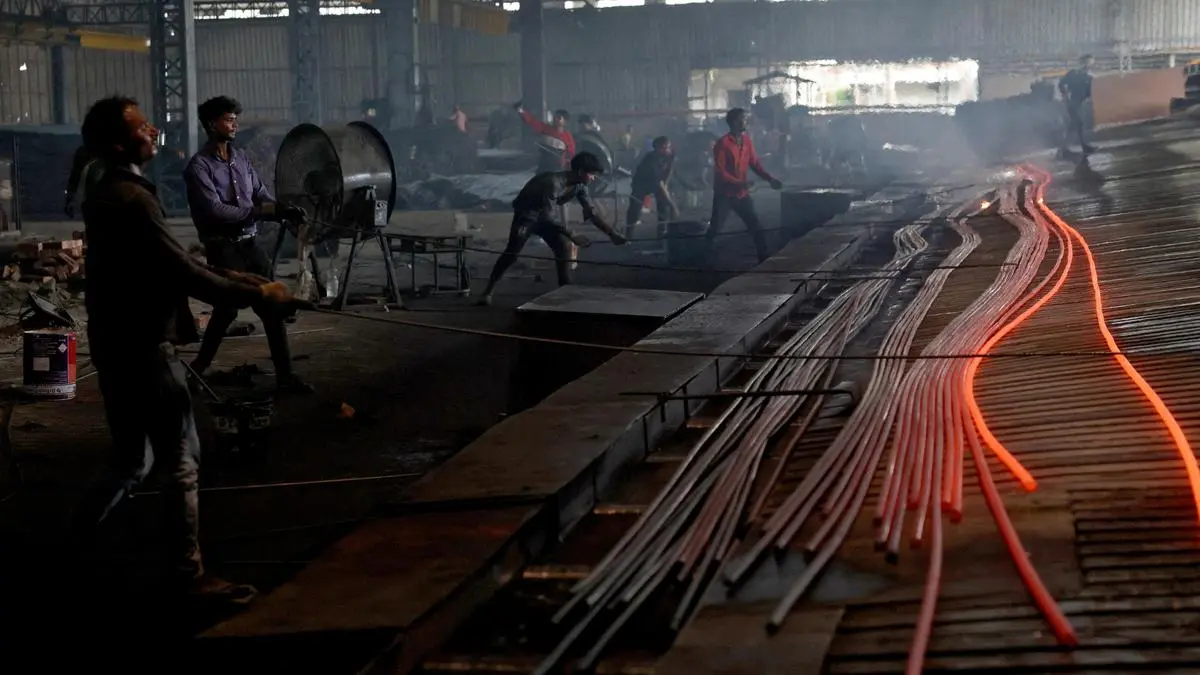
Coal costs climb as supply is disrupted
Indian steelmakers are facing renewed pressure on margins as disruptions in major coking coal markets raise raw-material and transport costs. Premium hard coking coal averaged $236 per metric tonne FOB Australia during the first seven months of 2026, a 25% increase from a year earlier, CRU metallurgical coal specialist Banmeet Khurmi told Reuters in a report published by BusinessLine.
Khurmi attributed the rise to supply disruptions in Australia, a slower-than-expected ramp-up at new mines, support from the conflict in the Middle East and a major mining accident in Shanxi, China. Freddie Brooks, a commodities analyst at BMI, a Fitch Solutions company, expects costs to remain elevated in the second half of the year, partly because of the supply lost after the Shanxi disaster.
The increase has a direct effect on blast furnace economics. According to an executive at a large steel mill cited in the report, every $10-per-tonne rise in coking coal adds approximately $7-$9 per metric tonne to steelmaking costs. Coking coal already accounts for nearly 40% of steel production costs in India.
Import dependence magnifies pressure
India is the world's second-largest crude steel producer after China, but it imports 95% of the coking coal it consumes. Australia supplies at least half of that requirement, leaving Indian mills highly exposed to Australian mine performance and seaborne prices. BigMint expects India's coking coal imports to increase by 2 million-3 million tonnes in 2026-27 from 64 million tonnes a year earlier.
Higher import demand is coinciding with more expensive logistics. Hui Ting Sim, vice president at Moody's Ratings, said trade flows had tightened because of strong Indian demand as well as higher diesel, freight and insurance costs. Transport expenses have also been affected by disruption linked to the US-Iran war, adding another cost layer for buyers dependent on long-distance maritime supplies.
Steelmakers have limited scope to recover these costs through higher steel prices. Three executives at leading producers told Reuters that margins had narrowed, while competition from cheap Chinese steel constrained price increases. Chinese shipments have continued to rise despite Indian import tariffs on some steel grades.
Mills seek alternative suppliers
Australia is expected to retain at least half of India's coking coal market, although volumes from Russia, Mozambique and the United States are also set to increase. Russian coal accounted for 24% of Indian coking coal imports in recent years, but CRU said the discounts available on those supplies had diminished over the past two years.
BMI expects Mozambique eventually to overtake the United States and Russia as India's second-largest coking coal supplier after Australia. Steel Authority of India and JSW Steel are among the companies turning to Mozambique. India is also seeking access to Mongolian coal, although logistical constraints continue to make that option difficult. Diversification may reduce exposure to individual suppliers, but it cannot fully shield mills from a global price increase. Persistently compressed margins could impede investment and delay capacity expansion just as producers are spending to serve domestic demand supported by infrastructure activity and economic growth.