Ghana cocoa buyers warn Cocobod's $348mn arrears could disrupt the 2026/27 season
Ghana's licensed cocoa-buying companies say the Ghana Cocoa Board owes them nearly $348 million from the last campaign. An industry group representing the buyers warns its members may be unable to finance purchases from farmers when the 2026/27 season opens unless the board settles first.
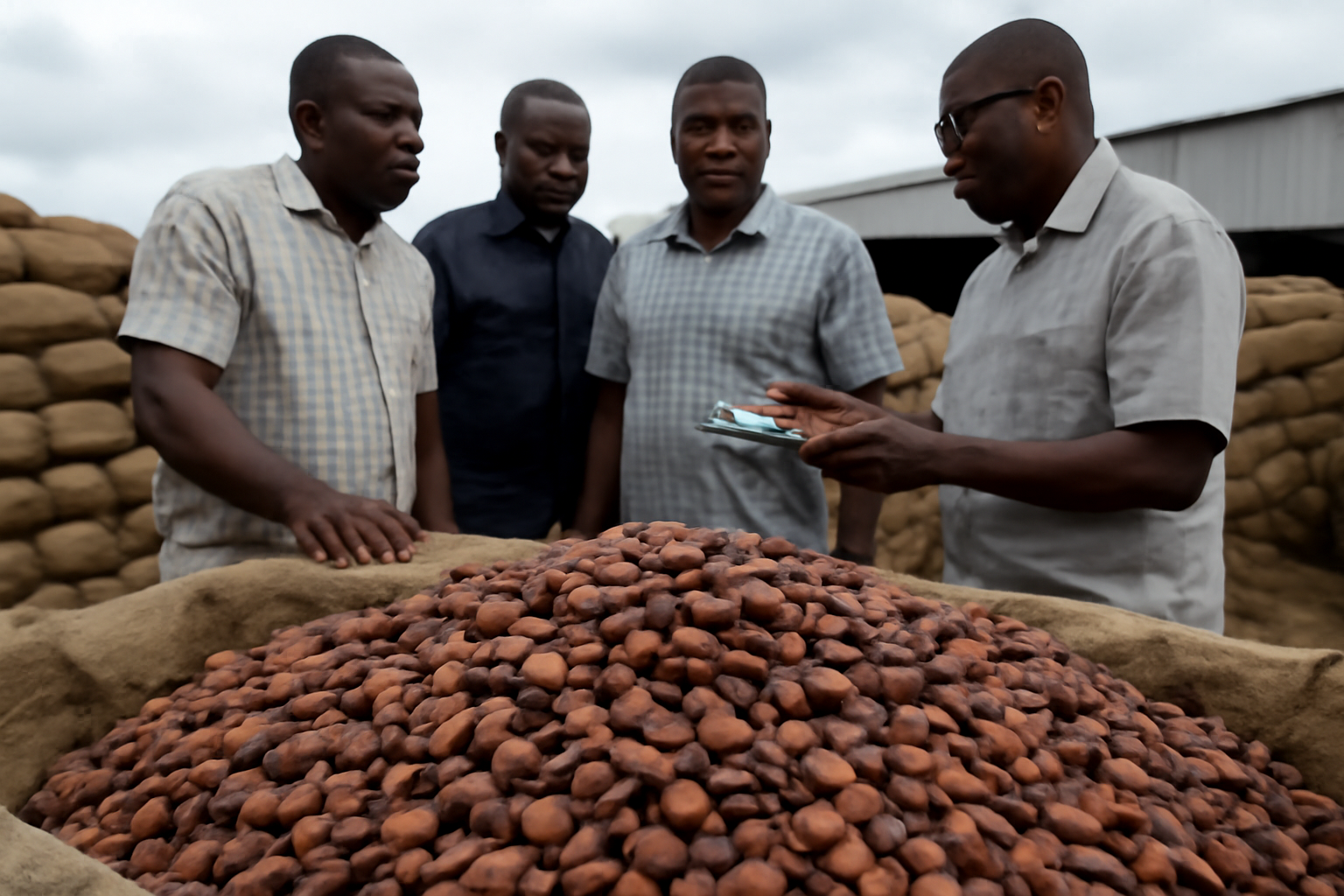
Ghana's licensed cocoa-buying companies have warned that unsettled payments from the Ghana Cocoa Board (Cocobod) could disrupt the start of the 2026/27 crop season. An industry group representing the buyers puts the outstanding amount at nearly $348 million and says its members may be unable to finance purchases from farmers unless the board clears the debt before the season opens.
The dispute is about working capital rather than about the crop itself. Ghana remains one of the world's largest cocoa origins, and the beans it ships are the raw material for grinders and chocolate manufacturers in Europe, North America and Asia. What the buyers are describing is a break in the payment chain that moves cash from the board to the companies that actually collect beans in the villages.
How the payment chain works
Ghana's internal market runs through licensed buying companies, known in the trade as LBCs. They buy beans from farmers at the fixed farmgate price, aggregate them at district sheds and deliver them to Cocobod's Cocoa Marketing Company, which controls export sales. Money then flows back the other way: Cocobod pays the LBCs, and the LBCs use that cash to fund the next round of purchases and to service the bank facilities that finance their operations.
When payment from the board stops, the buying companies cannot simply absorb it. Most of them operate on borrowed money with thin margins fixed by the regulated price structure, so an unpaid receivable from one season turns into a financing problem in the next.
Risks at the farmgate
Farmers sell for cash on delivery. A buying company that arrives at the shed without funds loses the beans to a competitor, to an unlicensed dealer, or to buyers operating across Ghana's borders, where prices can be more attractive. Weak purchasing capacity at the start of a season therefore tends to show up as slow official arrivals at the ports, the figure exporters, processors and futures traders watch most closely in the opening weeks.
The warning also has a competitive dimension. If banks respond to the arrears by cutting credit lines, the smaller LBCs are squeezed out first and purchasing concentrates in the hands of the largest companies, which have stronger balance sheets and better access to offshore funding.
What the industry is watching
- Whether Cocobod settles the nearly $348 million before buying begins for 2026/27.
- The farmgate price announced for the new season, which sets LBC margins and the incentive for farmers to sell through official channels.
- Whether banks maintain seasonal credit lines to the buying companies.
- The pace of graded and sealed deliveries in the first weeks of the season.
The industry group's warning, as reported, did not break down how the arrears accumulated, which companies are owed the most, or when Cocobod expects to pay, and the board's own position on the figure was not detailed. Until those points are clarified, buyers are planning for a season that may open with less purchasing capacity than usual, while counterparties further down the chain — exporters, grinders and importers holding Ghanaian contracts — have to price in the possibility of delayed or reduced early-season volumes.