Cocoa futures ease on ICE as arabica coffee gains 1.3%
New York cocoa futures slipped 0.2% to $5,520 per tonne after strong recent gains, while signs of recovering demand and El Niño risks supported the outlook. Arabica coffee rose 1.3% to $3.2455 per pound, despite steady progress in Brazil’s harvest.
Cocoa retreats after recent rally
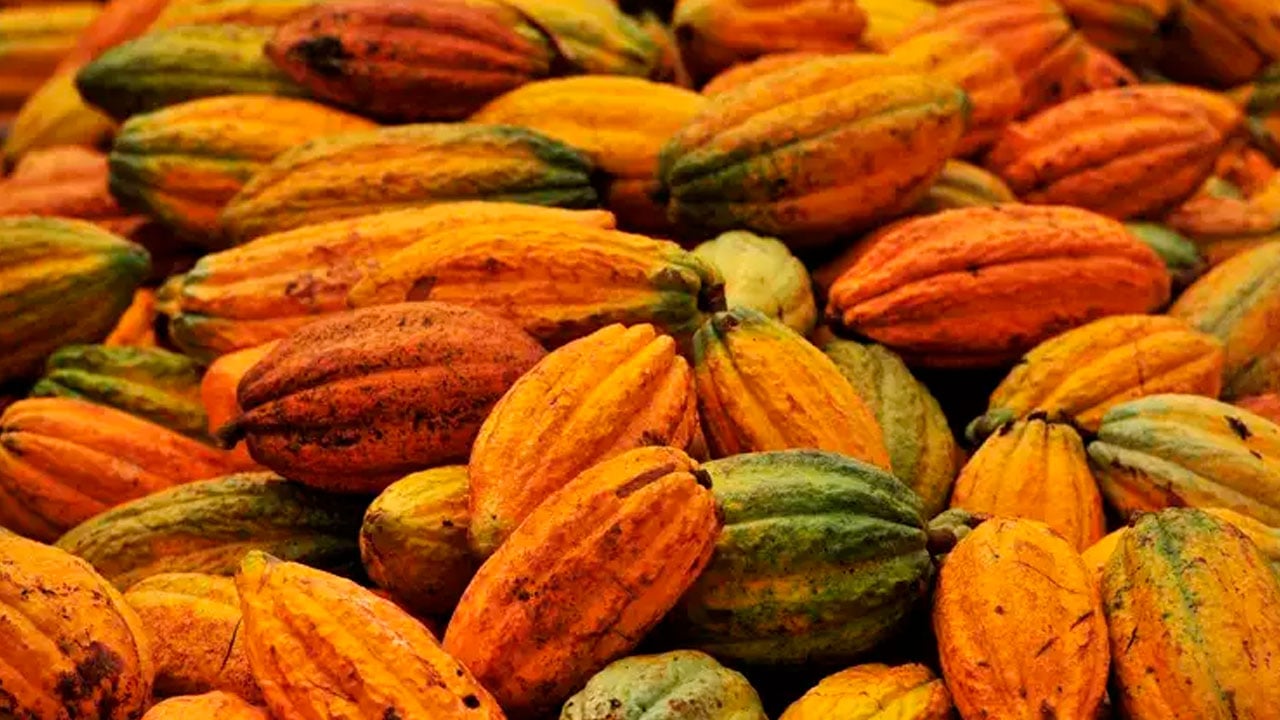
New York cocoa futures closed slightly lower on July 20, surrendering part of their strong gains from the second quarter and early July. The contract fell $13, or 0.2%, to $5,520 per tonne, Reuters reported. London ICE cocoa was virtually unchanged at £4,097.
The modest decline did not alter the broadly bullish tone described by brokers. Demand is beginning to recover, while concerns about the next West African crop are increasing as a strong El Niño event approaches. A Reuters survey of 11 traders and analysts found that cocoa prices were expected to extend their recent gains through the end of the year, with the weather pattern forecast to reduce production in the 2026/27 crop year.
For processors and chocolate manufacturers, the combination of firmer demand and prospective supply losses means that the small daily price decline offers limited relief. The market remains sensitive to changes in crop expectations in West Africa, the world’s central cocoa-producing region.
Ivory Coast grinding provides demand signal
Ivory Coast processed 56,325 metric tonnes of cocoa beans in June, an increase of 22% from the same month a year earlier, according to data from exporters’ association Gepex. The rise in grinding provides a concrete indication of improving processing activity, reinforcing the demand signals cited by brokers.
Higher grinding does not by itself establish the strength of final consumer demand, but it matters for the balance available to traders and manufacturers. If West African output declines in 2026/27 as anticipated by participants in the Reuters survey, stronger bean processing could add pressure to an already weather-sensitive supply outlook.
Arabica rises as Brazilian sellers remain cautious
Arabica coffee futures on ICE gained 4.25 cents, or 1.3%, to close at $3.2455 per pound. Brokers said harvesting in Brazil, the world’s leading producer, was progressing steadily but remained behind the pace recorded during the previous crop.
Brazilian brokerage Carvalhaes said in its weekly note that recent market volatility had made it harder to complete transactions. Sellers were waiting for greater price clarity and releasing only enough coffee to cover short-term costs, according to the brokerage. Such limited selling can tighten near-term availability even while harvesting advances, leaving roasters and traders exposed to price swings.
Raw sugar, meanwhile, was almost unchanged at 14.82 cents per pound after rising more than 2% on the previous Friday. Favorable warm weather, apart from light rain in southern parts of Brazil’s Center-South, was expected to support harvesting and offset some earlier production delays. The Brazilian government reported that cane crushing was 28% lower in early June and sugar production was down 44%.
China imported 280,000 metric tonnes of sugar in June, 34.2% less than a year earlier, according to the General Administration of Customs. Speculators also increased bearish positions in US ICE raw-sugar futures during the week ended July 14. White sugar declined 0.6% to $467.20 per tonne, underscoring the weaker tone in sugar compared with the firmer arabica market and the supply-supported outlook for cocoa.