Cocoa Falls in New York as Ivory Coast Deliveries Increase
Cocoa futures in New York closed lower again on Tuesday, with the December contract down 1.95%, according to Globo Rural. Stronger bean deliveries in Ivory Coast, the world's largest supplier, eased investor concern about near-term availability. The move came entirely from the supply side, with no new demand signal attached.
Cocoa futures on the New York exchange closed lower again on Tuesday as data showing larger bean deliveries in Ivory Coast reassured investors about near-term supply. According to Globo Rural, the December contract settled down 1.95%, the latest in a run of losing sessions for the market.
December contract settles 1.95% lower
Globo Rural reported that prices declined for another consecutive session, with supply figures described as a calming factor for investors. December is the nearby delivery month for New York cocoa, which makes it the reference for physical business negotiated in the closing weeks of the year and the basis on which processors and trade houses mark their hedges.
The size of the move is moderate for a market that has swung sharply over the past two seasons, but the driver is what matters: the decline came from the supply side, with no new demand signal attached to it. When origin deliveries beat expectations, the risk premium priced into the nearby contract is the first thing to go. Volatility carries its own cost, because the wider the daily swings, the more collateral participants on both sides must keep against open positions.
Ivory Coast deliveries set the tone
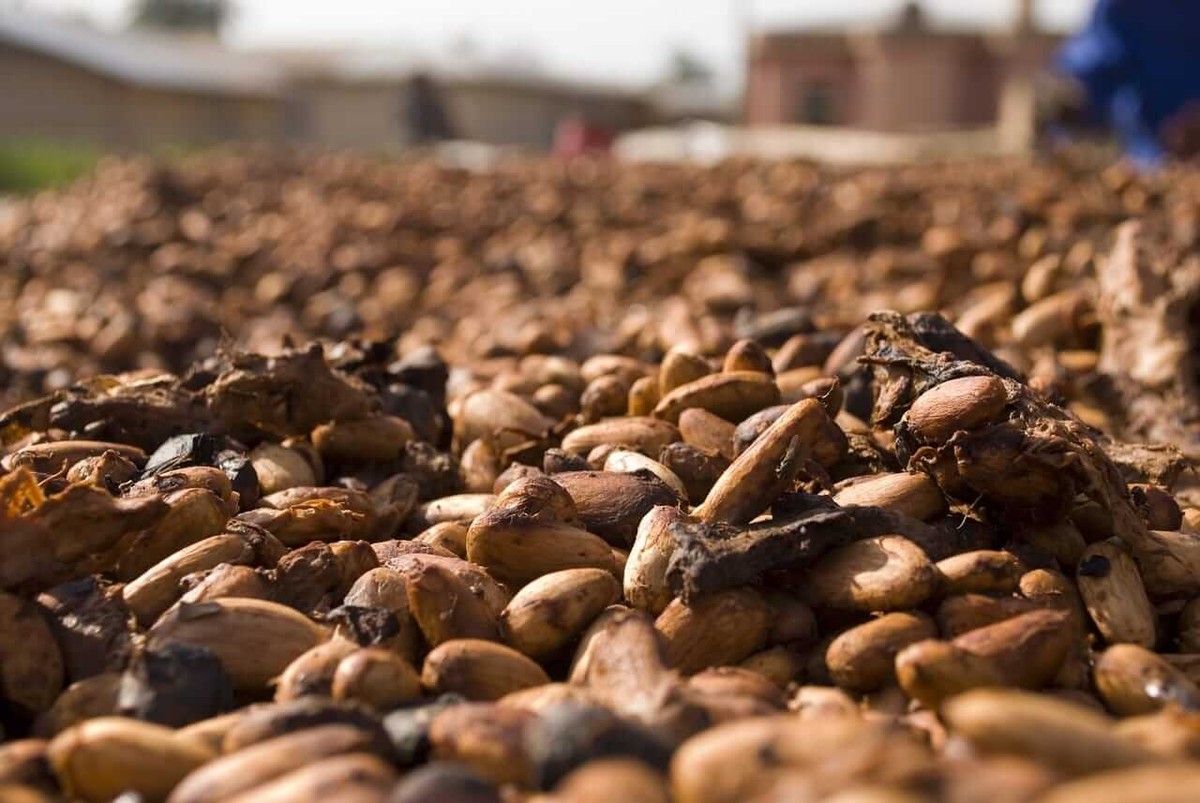
Ivory Coast is the world's largest cocoa supplier, and the flow of beans from farms to the ports of Abidjan and San Pedro is the most closely watched high-frequency indicator in the market. The main crop runs from October through March, and the pace of arrivals in its opening months shapes expectations for the full season.
- Arrivals are tracked weekly, far ahead of official production estimates, so traders use them as a real-time proxy for harvest size.
- Stronger deliveries usually reflect two things at once: a larger crop and faster selling by farmers and up-country buyers.
- A sustained run of heavy arrivals erodes the scarcity premium that builds into nearby futures whenever origin flows disappoint.
What it means for grinders, traders and buyers
Falling futures cut both ways along the chain. Grinders and manufacturers holding forward cover carry mark-to-market losses on long positions and face margin calls on the exchange, while exporters and origin sellers holding short hedges see cash released back to them. For companies financing physical inventory, a lower nearby price reduces the working capital tied up in each tonne afloat or in store, and it lowers the cost of opening new hedges for the months ahead.
The effect on growers is delayed rather than immediate. In Ivory Coast the farmgate price is set administratively for the season, so a single session on the exchange does not reach the farm; it feeds instead into the terms of forward export contracts and into the price-setting exercise for the next campaign. Importers in Europe and North America will see cheaper cocoa only with a lag, because chocolate makers typically cover their requirements months in advance. The question for the rest of the season is whether Ivorian deliveries hold at the current pace. If they do, the pressure on New York prices is unlikely to stop with one session.