Coca-Cola Chile commits 720 billion pesos in investment through 2030
The Coca-Cola operation in Chile announced this month an investment of 720 billion pesos running through 2030. Recently appointed general manager Abelardo Gudiño presented the programme as a sign of confidence in the local market, saying Chile has the conditions to keep growing. No public breakdown of the spending between production, packaging and distribution has been released.
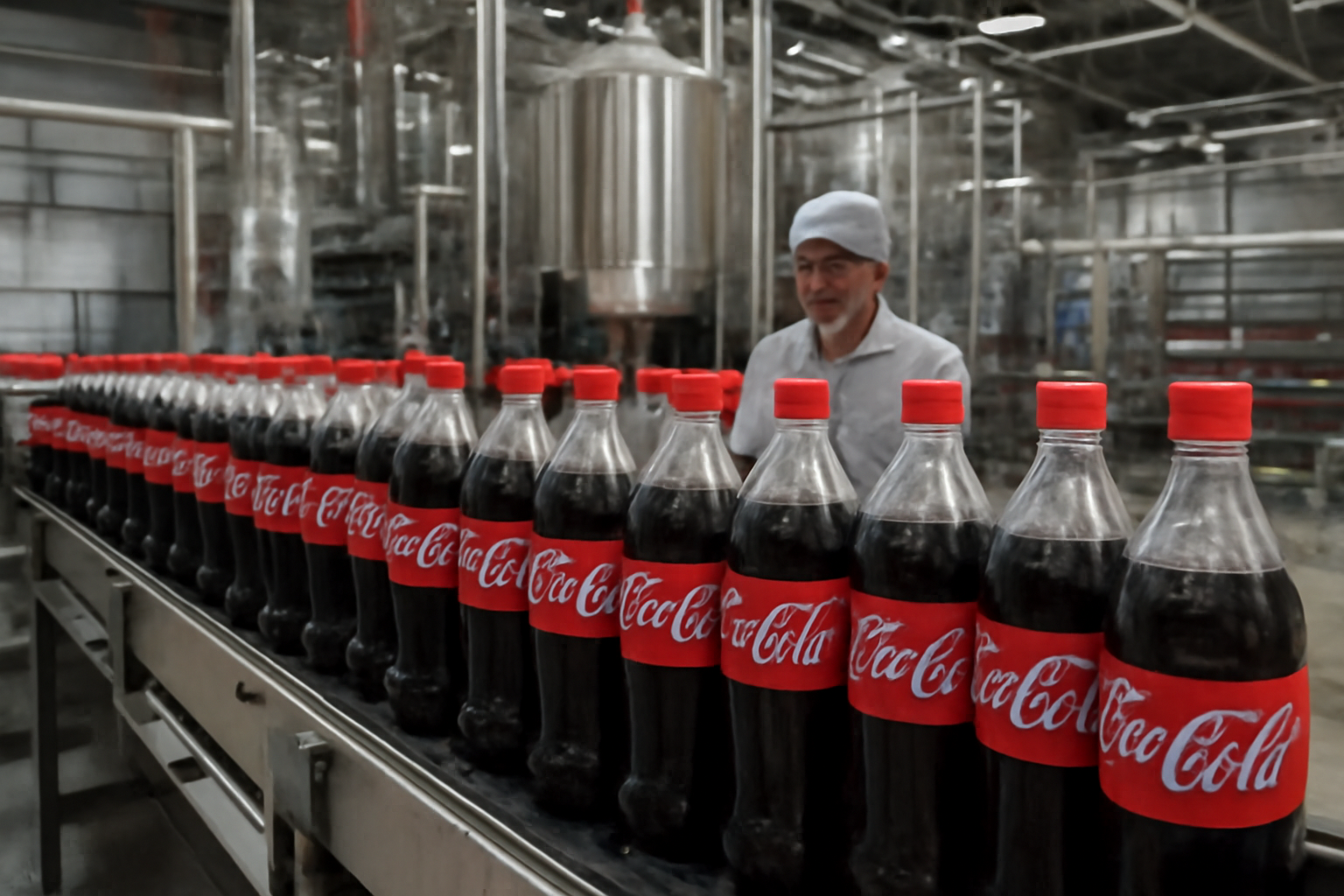
The Coca-Cola operation in Chile announced this month an investment of 720 billion pesos running through 2030. The commitment was set out by Abelardo Gudiño, the recently appointed general manager of Coca-Cola Chile, who presented the figure as a measure of the company’s confidence in the local market.
“Chile tiene condiciones para poder seguir creciendo” — Chile has the conditions to keep growing — Gudiño said, framing the multi-year programme as a bet on continued expansion of the business in the country rather than a routine maintenance budget.
A headline figure without a public breakdown
The announcement establishes a total and a horizon, but not an allocation. On the basis of what has been made public so far, the company has not detailed:
- how much of the 720 billion pesos is directed at production capacity as opposed to distribution assets and cold-chain equipment;
- the annual phasing of the spending between now and 2030;
- which parts of the Coca-Cola system in Chile — the company itself or its bottling partners — will carry the outlay.
Those distinctions carry direct commercial consequences. Capital directed at filling lines, blow-moulding, water treatment and plant expansion flows to equipment vendors and materials suppliers. Spending aimed at coolers, delivery fleet and route-to-market lands instead with retail partners, refrigeration importers and logistics operators. Until the split is disclosed, suppliers in each of those categories have a number but no order book to plan against.
A leadership change frames the announcement
Gudiño took over as general manager of Coca-Cola Chile shortly before the investment was made public, and the programme is the first major commitment associated with his tenure. His stated reading of the market is that Chile retains room for volume and business growth, a position that shapes how the figure should be read: as a growth budget attached to a named executive and a dated horizon, rather than an open-ended intention.
For a mature, relatively small beverage market, a commitment extending five years out is itself a signal. Multinational consumer goods groups generally do not fix capital plans of that length for markets they expect to run flat, and the dated horizon gives local counterparties something firmer than a general statement of intent.
What the horizon means for the Chilean supply chain
The beverage business in Chile draws on a broad domestic and imported supplier base: sugar and alternative sweeteners, concentrate, PET resin and preforms, glass and returnable containers, closures, labels, secondary packaging, industrial refrigeration and road transport. A programme with a fixed end date of 2030 sets a planning window for those suppliers, even before the allocation is known. Commercial teams on the supply side will be looking for the first concrete projects — a plant upgrade, a new line, a distribution centre — to convert the headline into contracted demand.
Currency is the main variable attached to the number itself. The commitment is denominated in pesos, while much of the capital equipment used in beverage production and cold chain — filling and packaging lines, preform moulding tools, commercial refrigeration — is imported and priced in dollars. Movements in the exchange rate over a five-year period would change how much physical capacity 720 billion pesos ultimately buys, without any change to the announced figure.
Equally relevant is what the announcement does not contain. No employment figures, named plant projects, capacity targets in litres or unit cases, or product categories have been attached to the programme in the material made public. Those details, together with annual tranches, are the disclosures that would allow producers, packaging suppliers and importers of equipment to size the opportunity with any precision.