Climate shocks squeeze incomes in Kenya’s tea belt, putting Britain’s black tea supply at risk
Kenyan growers supplying roughly half of Britain’s black tea say climate shocks are eroding already weak incomes. The pressure threatens farming livelihoods and raises concerns about the long-term resilience of a major tea supply chain.
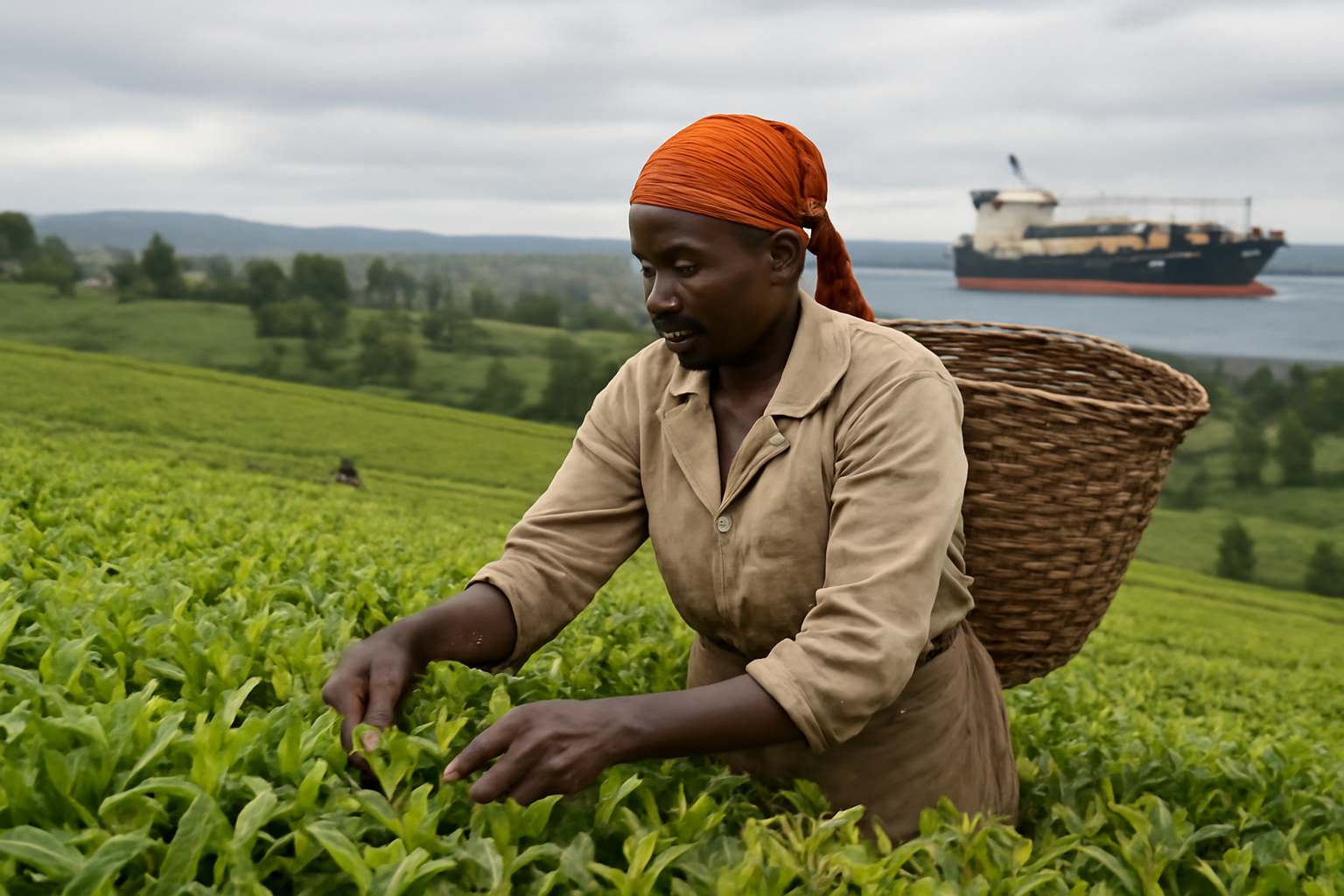
Growers report severe pressure on household income
Climate shocks are squeezing the incomes of tea growers in Kenya, a critical origin for the British black tea market. Farmers in the country’s export-oriented tea belt say their earnings have become insufficient to cover basic household needs, exposing the human cost of volatility in one of the world’s most important tea-producing regions.
“It is not enough. It is very scarce. There is no breakfast. No lunch,” one grower said. The account does not provide detailed figures for farm income, production losses or tea prices, but it points to acute financial pressure among the people responsible for maintaining Kenya’s tea fields and harvesting the crop.
The impact extends beyond individual households. Tea production depends on growers continuing to invest time and resources in field maintenance, harvesting and crop care. When returns no longer cover everyday expenses, producers have less capacity to absorb another period of adverse weather or any increase in operating costs.
Britain’s black tea market has concentrated exposure
Kenyan growers provide roughly half of Britain’s black tea supply. That share makes conditions in Kenya relevant not only to farmers but also to processors, exporters, shipping companies, British importers and tea brands. Climate-related stress at farm level can therefore become a supply-chain issue even before it causes a visible shortage in the consumer market.
The available source material does not establish that tea shipments to Britain have fallen, nor does it quantify changes in Kenyan output. The immediate warning is about resilience. A supply chain can continue delivering tea while its production base becomes financially weaker, leaving it more exposed to future weather events and less able to recover from them.
For British buyers, the concentration of supply creates a difficult balance. Kenya’s established production and export system makes it a central source of black tea, but heavy reliance on one origin also links procurement risk to the climate and household economics of that origin. Diversifying purchases may reduce exposure, although replacing Kenyan volumes or matching their commercial characteristics cannot be assumed to be quick or cost-free.
Weak returns may undermine future supply resilience
The central issue is whether growers can earn enough to remain committed to tea. If climate volatility repeatedly reduces usable output or disrupts farming activity while grower returns remain weak, producers may struggle to maintain fields at the level required by exporters and buyers. The source material does not show that farmers are abandoning tea, but the reported scarcity of household income is a clear warning sign.
Importers and brands also face a question of where supply-chain risk is carried. If farmers absorb most of the losses from climate shocks, the immediate retail effect may remain limited while vulnerability accumulates at the production end. Supporting supply continuity may consequently require closer attention to grower earnings, purchasing practices and the capacity of farms to withstand volatile conditions.
Kenya’s importance to British black tea means the problem cannot be treated solely as a local rural hardship. It concerns the durability of an international supply chain built on grower labour. Without stronger farm-level economics, continued climate shocks could increase risks for producers in Kenya and for the companies that depend on their tea.