Climate and labor pressures threaten tea supply from Assam
Rising heat is weakening tea yields in Assam, while plantation workers are leaving for more stable employment. The combined pressure threatens production in a region that supplies more than half of India’s tea.
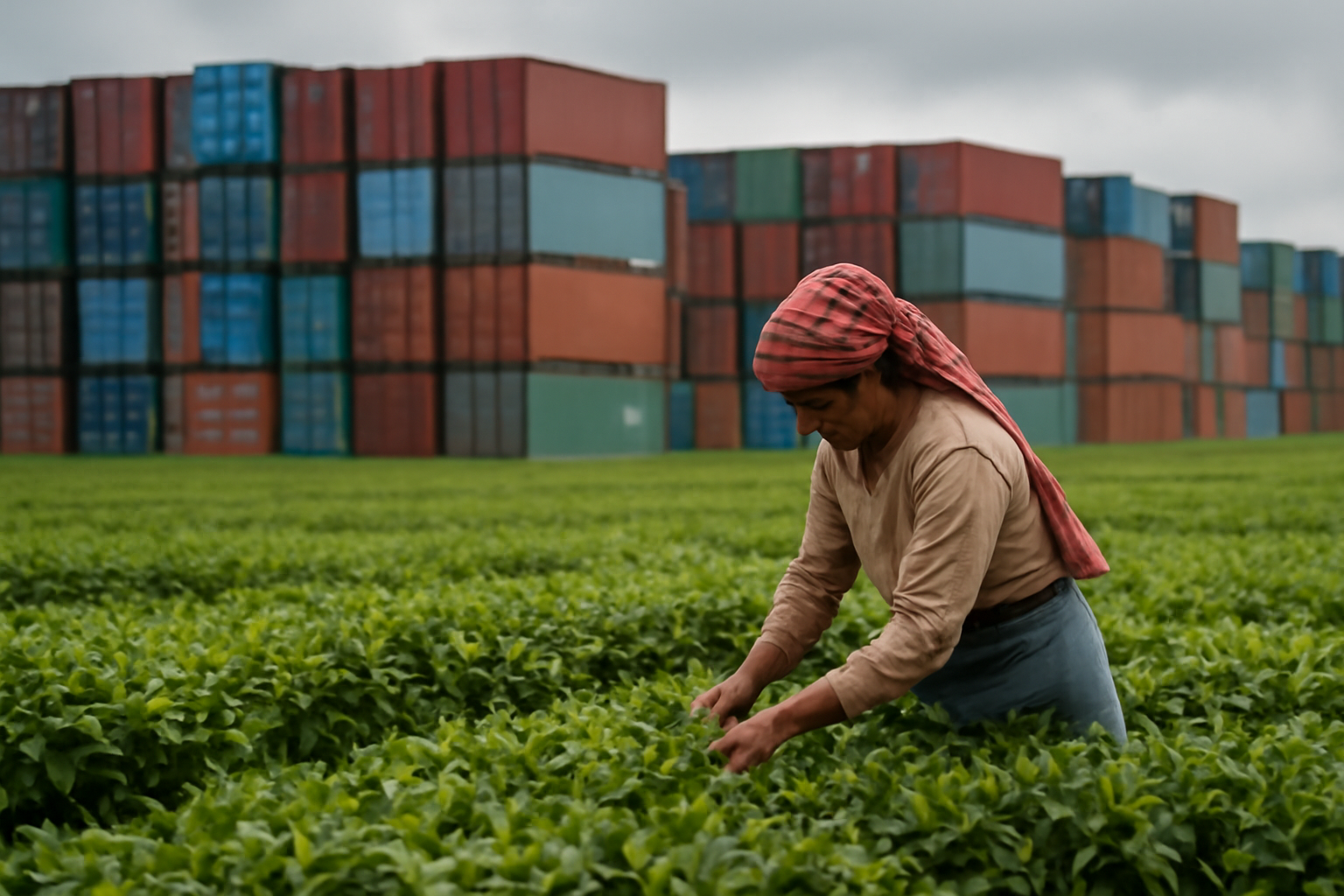
India’s largest tea-producing region faces twin pressure
Assam’s tea industry is confronting a combination of rising temperatures, weaker yields and a shrinking plantation workforce. The pressure matters well beyond the northeastern Indian state: plantations in Assam produce more than half of India’s tea, making the region central to the availability of Indian tea for processors, traders and buyers.
Heat is directly affecting plantation performance. Tea production depends on suitable growing conditions and repeated harvesting of fresh leaves. When rising temperatures reduce yields, estates have less output over which to spread their operating costs. Lower volumes can therefore weaken producer economics even before any additional spending required to manage hotter conditions is considered.
The supply risk is not limited to cultivation. Tea remains labor-intensive, and plantations need workers to maintain fields and collect leaves. Workers in Assam are increasingly leaving the industry in search of more stable employment. Their departure can make it harder for estates to complete time-sensitive work, adding an operational constraint to the biological effects of heat.
Stagnant returns narrow producers’ options
Producers are also being squeezed by stagnant returns. This limits their ability to respond to falling yields and labor shortages through higher wages, recruitment or investment. A plantation facing weaker output has fewer saleable volumes, while a plantation facing worker departures may need to compete more aggressively for labor. When returns do not improve, funding either response becomes more difficult.
These pressures reinforce one another. Heat can reduce the volume harvested from a plantation, while insufficient labor can prevent estates from collecting or maintaining as much of the crop as conditions allow. Stagnant producer returns then restrict the financial capacity to address either problem. The result is a more fragile production base in the region responsible for the majority of India’s tea.
For growers, the immediate challenge is maintaining output and a dependable workforce without stronger returns. Processors and traders must consider whether inconsistent plantation performance could affect leaf availability and procurement planning. Buyers that depend on Assam-origin tea also face greater uncertainty if climate and staffing pressures persist across multiple estates.
Assam’s scale raises the wider market exposure
Assam’s share of national production means local disruption can become an industry-wide issue. The available information does not quantify the decline in yields, the number of departing workers or the resulting change in total supply. It nevertheless identifies a convergence of risks at the production stage rather than a single temporary setback.
The outlook will depend on whether plantations can retain enough workers, sustain yields under rising heat and improve producer returns. Without progress on those fronts, Assam’s tea sector may struggle to preserve both output and operational stability. Because the state supplies more than half of India’s tea, the consequences would be relevant to participants across the domestic tea chain and to international buyers of Indian tea.