CJ CheilJedang Returns to Soy Sauce After a Decade as Korea's Jang Rivalry Heats Up
CJ CheilJedang is restarting its soy sauce business after roughly ten years away, while Sempio has brought a new soy sauce to market, according to Edaily. The moves extend a premiumisation trend that began with gochujang and doenjang, and come as the K-food wave lifts international interest in Korean savoury flavour.
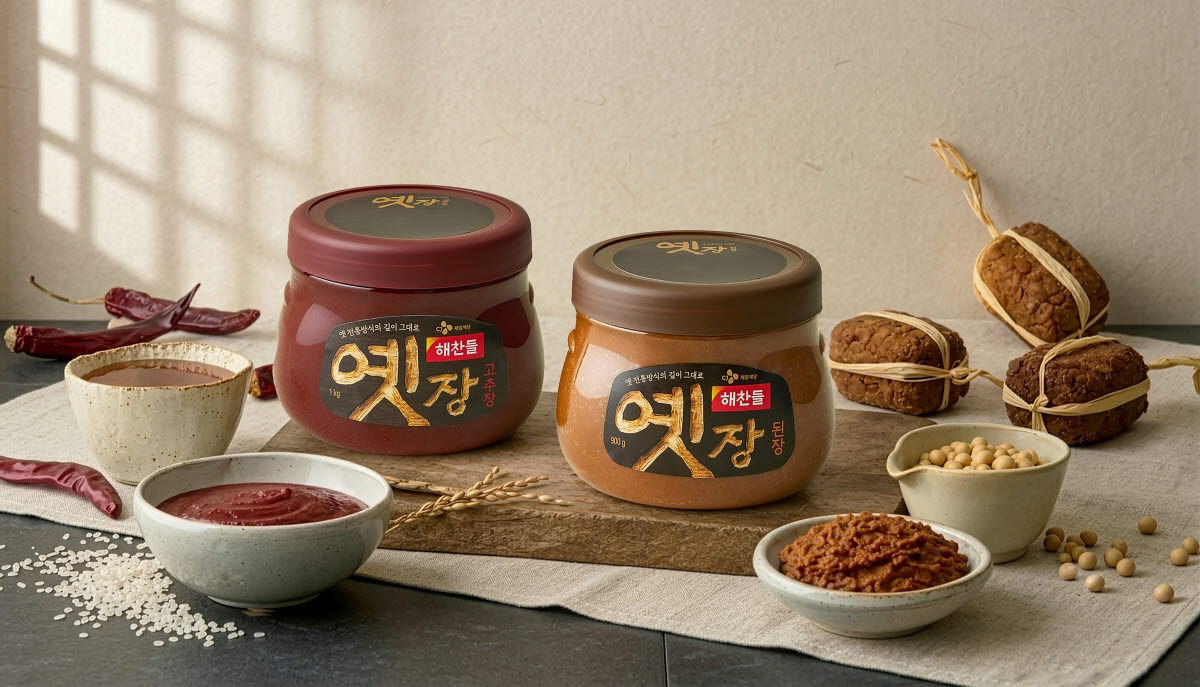
Competition among South Korean food manufacturers in jang — the family of traditional fermented sauces and pastes — is intensifying, with CJ CheilJedang restarting its soy sauce business after roughly a decade out of the category and Sempio bringing a new soy sauce to market, business daily Edaily reported. The rivalry follows a sustained run of premiumisation in gochujang, the fermented red chilli paste, and doenjang, the fermented soybean paste, and is being pulled forward by rising interest abroad in the savoury depth that Korean fermented sauces deliver.
CJ CheilJedang returns after about a decade
CJ CheilJedang is one of South Korea's largest food processors, and its re-entry is the single most consequential move for the category. According to Edaily, the company is resuming soy sauce production after roughly ten years, filling the remaining gap in its jang line-up alongside chilli paste and soybean paste.
Re-entering a mature, high-volume staple category after that long an absence is not a low-cost decision. Brewed soy sauce requires fermentation capacity, raw material contracting and a distribution slot that has been occupied by rivals in the interim. The commercial logic points to premium positioning rather than a price fight at the commodity end of the shelf, where an absent brand has the least to gain.
Sempio answers with a new soy sauce
Edaily pairs the two developments directly, presenting Sempio's new soy sauce alongside CJ's return as the two poles of the current contest. For processors and retailers, that framing matters: the category is being re-opened at the top end by two well-capitalised domestic players at the same time, rather than gradually traded up by one.
Simultaneous premium launches typically compress the window in which either brand can hold a differentiated position on flavour claims alone. The competitive variables become fermentation method, raw material sourcing and packaging format, all of which carry cost.
Premiumisation spreads from pastes to soy sauce
The sequence Edaily describes is a category-by-category upgrade of the Korean fermented sauce basket:
- Gochujang — the first of the three to move to premium tiers;
- Doenjang — upgraded alongside it as consumers traded up on fermentation and ingredient claims;
- Ganjang, or soy sauce — the category now being pulled into the same positioning.
Export demand for Korean savoury flavour
The commercial driver behind the domestic contest sits outside South Korea. Edaily links the intensifying rivalry to the K-food wave and to growing international appetite for the Korean savoury profile known as gamchilmat, a flavour signature carried primarily by fermented sauces. Chilli paste and soybean paste have already served as the entry products for that demand.
Soy sauce is a harder export proposition than the pastes. It is a global staple category with entrenched incumbents in Japan and China, so Korean producers competing on shelves outside Asia face established rather than absent competition. That points to foodservice supply, Korean restaurant channels and speciality retail as the realistic first routes to volume, with mainstream grocery listings following demand rather than leading it.
Edaily's report does not specify production volumes, capacity, pricing tiers, launch timing or export targets for either company, and neither manufacturer has published figures alongside the moves. Until those are disclosed, the scale of the investment and the volume of soybean, wheat and salt procurement it implies remain undetermined.