Chromos ends paint and varnish production in Croatia after 106 years
Kansai Helios is closing Chromos production in Zagreb and transferring output to Slovenia and Serbia. Most of the roughly 100 employees at the Žitnjak plant are expected to lose their jobs, while Zagreb will retain a sales network.
Production moves to Slovenia and Serbia
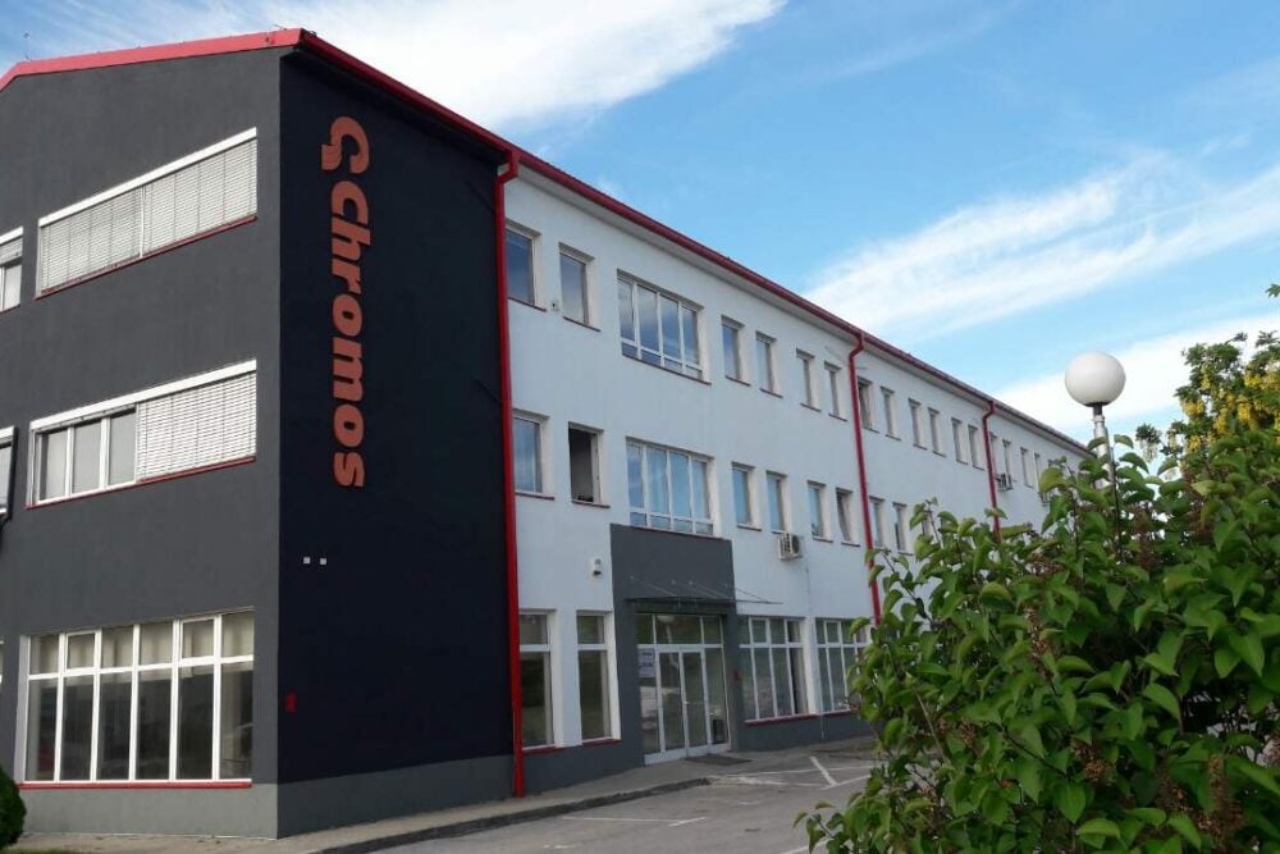
Chromos, one of Croatia’s best-known paint and varnish brands, is ending production in the country after 106 years. Bljesak.info reported that Japanese owner Kansai Helios decided to transfer manufacturing from Zagreb to Količevo in Slovenia and Gornji Milanovac in Serbia. Only the sales network will remain in Zagreb.
The decision affects a plant at Žitnjak that currently employs about 100 people, most of whom are expected to lose their jobs. Kansai Helios has another roughly 60 employees in Croatia. Goran Dolenec, director of Chromos boje i lakovi and Kansai Helios Croatia, described Chromos in a media statement carried by Index.hr as a brand with a deep Croatian tradition built on decades of employee work.
From a small workshop to a regional chemicals group
The company traces its origins to a paint-mixing workshop established by wholesaler Bernard Moster in 1920. Its approximately 30 employees produced about 500 tonnes of paints and varnishes in the first year. A main factory building followed in 1923, and by 1940 the business employed 162 people and manufactured more than 1,800 tonnes.
Another part of the Chromos lineage came from a printing-ink company founded in Samobor in 1923 by Germany’s Springer-Moller. It supplied printing ink used by newspapers across the former Yugoslavia. The Samobor operation and the Zagreb business, then called Perunika, were merged in 1947 to create Chromos, chemical industry Zagreb. A research institute established in 1955 worked on polymer synthesis.
Further consolidation with Katran, Kutrilin and other companies turned Chromos into the leading producer of its kind in the former Yugoslavia. In 1979, the group employed about 3,900 people, produced roughly 180,000 tonnes of chemical products and exported to around 20 countries, particularly the Soviet Union. Employment reached about 4,500 in the mid-1980s, when Chromos was the region’s largest producer of paints, varnishes, plastics and resins.
Privatization divided the industrial group
Privatization in 1993 split Chromos into 16 independent businesses. Four later failed, while several others continue under different owners. Chromos Tvornica smola operates within the Scott Bader group, and the separate Chromos business in Samobor still manufactures printing inks. Other successors include Ireks Aroma, Chromos Argo, Katran, Kutrilin TPV, Komicro, Svjetlost and Hempel.
Chromos boje i lakovi was sold in 2001 to Slovenian competitor Helios. The acquisition price was not disclosed, although media estimates placed the remaining assets at €15 million. Helios acquired the plant, brands and patents through purchases of minority shareholders’ stakes. In 2017, Ring International Holding sold Helios to Japan’s Kansai Paint for €572 million.
A profitable manufacturer becomes a wholesaler
Bljesak.info noted that Chromos boje i lakovi recorded a profit in its latest financial year. Nevertheless, the closure converts the company from a Croatian manufacturer into a wholesale and sales operation, while production is concentrated at other Kansai Helios sites. For the regional coatings market, the decision preserves supply within neighboring Slovenia and Serbia but removes a historic production base from Croatia and reduces industrial employment in Zagreb.