Unauthorized Chinese Propagation Threatens Japan’s Premium Fruit Varieties
Japanese strawberry, citrus and grape seedlings are being offered in China through online sellers and an apparent wholesale propagation network. Japan is promoting overseas variety registration and DNA testing, but high costs and lengthy procedures leave breeders exposed.
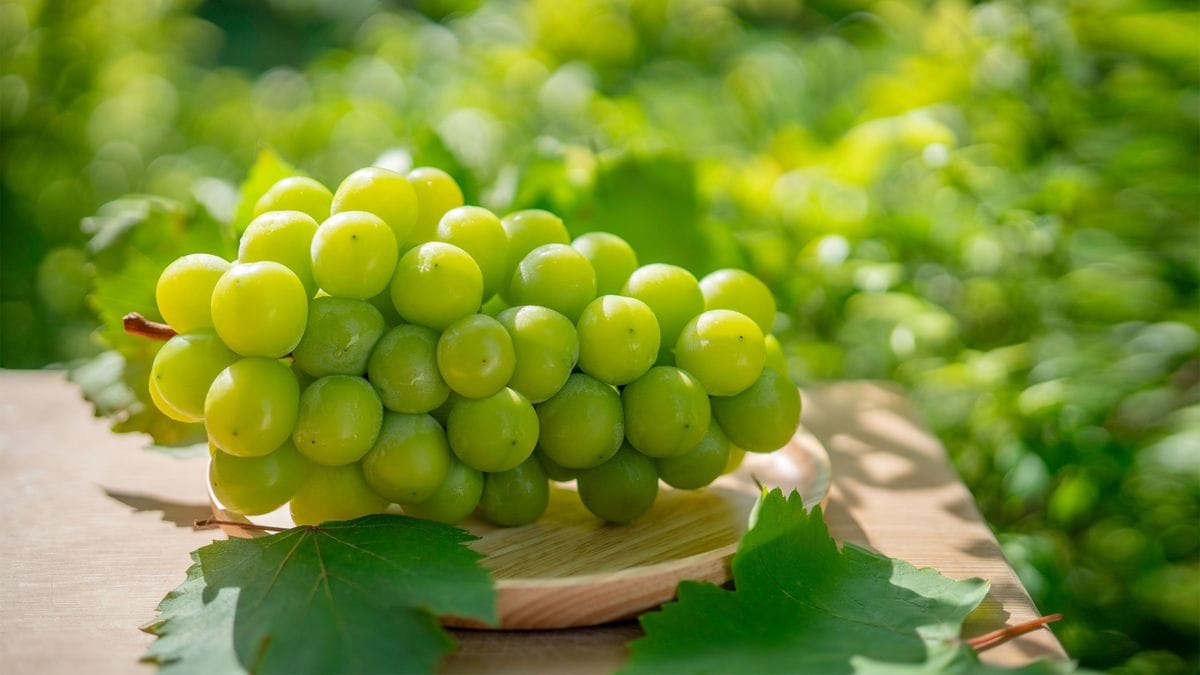
Japanese varieties offered through Chinese sellers
Japanese premium fruit varieties are being sold and propagated in China without authorization, raising concerns that breeders could lose control of plant material developed for high-value domestic markets. The varieties identified in reports include Japanese strawberries, Shine Muscat grapes and citrus such as Ehime No. 28, marketed in Japan under the Beni Madonna brand.
Livedoor News reported that seedlings of premium Japanese white strawberries were available on Xianyu, a Chinese secondhand trading application, for several hundred yen. The low asking price illustrates how easily proprietary plant material can move from specialist breeding programs into informal online distribution channels.
A President report contacted a seller in Jinhua, Zhejiang province, that offered a broad selection of Japanese strawberry and citrus seedlings. The supplier said the varieties were genuine and claimed to have every type of Shine Muscat and Japanese strawberry seedling. The sales operation appeared to target commercial growers rather than only individual gardeners.
Evidence of a larger propagation network
According to President, the seller’s business pointed to a wholesale network capable of supplying commercial farms with large volumes of cloned seedlings. The report concluded that plant material taken from Japan was apparently being studied and multiplied by organizations operating at a meaningful scale. The seller also suggested the involvement of a specialized agricultural unit, although the report did not identify that organization.
This changes the commercial risk for Japanese breeders. A single seedling can become the source of a much larger planting program once propagation specialists begin cloning it. Wider cultivation in China can create competing supplies of fruit associated with Japanese breeding, while weakening the ability of developers and licensed growers to control quality, production volumes and brand positioning.
Registration and DNA enforcement face a speed problem
Japan’s Ministry of Agriculture, Forestry and Fisheries has made protection of agricultural intellectual property a policy priority. Ehime Prefecture, which developed Beni Madonna, is promoting DNA testing to establish unauthorized cultivation scientifically. Japanese authorities and breeding regions are also seeking overseas variety registration so that breeders’ rights can be asserted in foreign markets.
Those tools have practical limits. President reported that registration must be pursued separately in each country, requires substantial expenditure and can take several years. If a variety begins circulating in the target country before protection is secured, stopping subsequent sales may become effectively impossible. The process therefore favors networks that can obtain plant material, clone it quickly and distribute it before legal protection is in place.
For Japanese developers, the issue is not limited to policing individual listings. Effective protection requires earlier decisions about which varieties need foreign registration, faster filing and evidence that can link overseas plants to protected Japanese material. DNA analysis can support enforcement, but only where enforceable rights have already been established. The central contest is between the time needed to secure legal protection and the speed at which commercial propagation networks can fill the market.