Chinese matcha now exported to 54 countries and territories, including Japan
Chinese industry describes the country as the world's largest matcha producer and has built what it presents as the world's largest matcha factory, according to President Online. Chinese matcha already reaches 54 countries and territories, including Japan, while powders sold abroad under the matcha name increasingly contain no tea leaves at all.
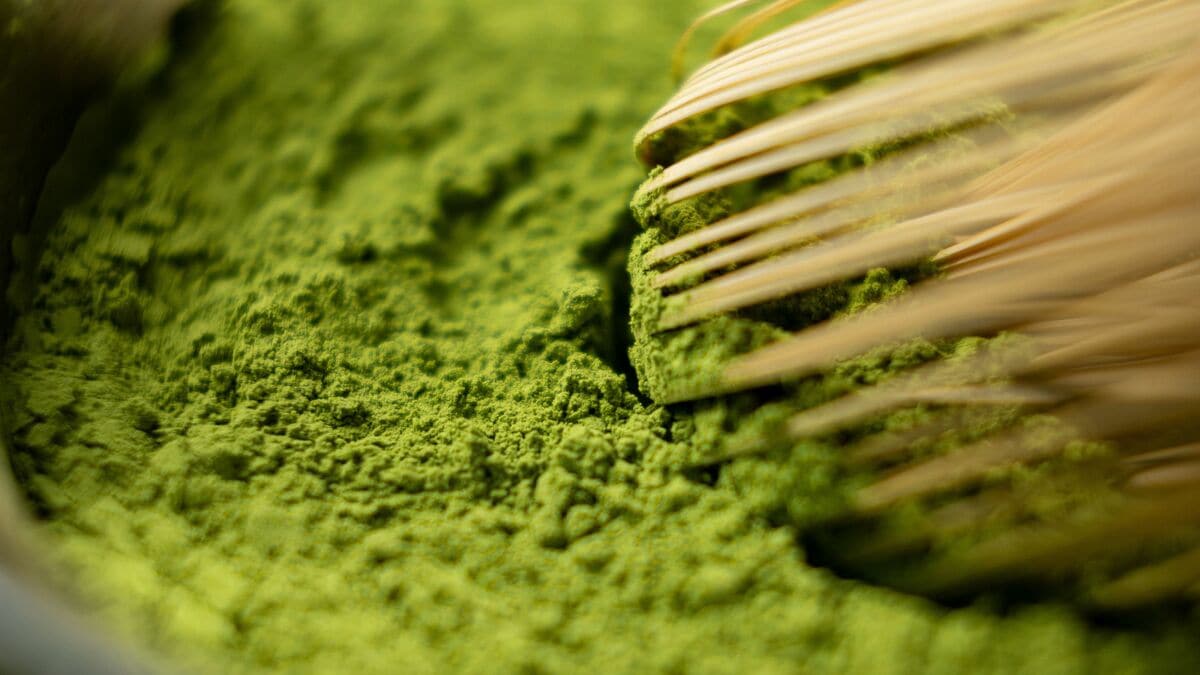
Matcha demand is booming across Europe and North America, and China is moving to capture it. Chinese industry now describes the country as the world's largest matcha producer and has built what it presents as the world's largest matcha factory, according to the Japanese outlet President Online. Chinese matcha is already exported to 54 countries and territories, including Japan, where it is pushing into the domestic market.
A disputed claim to the origin
Part of the Chinese claim rests on history. The practice of whisking powdered tea began in China under the Song dynasty (960-1279) as diancha, and was carried to Japan in the Kamakura period (1185-1333) by the Zen monk Eisai. Sen no Rikyu later developed it into the tea ceremony as a cultural discipline built around wabi-sabi.
President Online notes that the custom died out in China during the Ming dynasty (1368-1644), and that shaded cultivation and tencha processing — the two steps that define matcha as it exists today — were refined in Japan. Modern Chinese matcha production began only after China relearned the processing methods and cultivars from Japan. The technology was not stolen, the report states: invited Japanese specialists taught it.
What the process actually requires
The line between matcha and generic green powder sits in the production sequence, and President Online stresses that skipping any stage removes the aroma and roundness buyers associate with the product:
- Roughly 20 days of shading in the field before harvest, which suppresses astringency and builds up the umami compound theanine along with a vivid green colour
- Steaming the picked leaf immediately to halt oxidation
- Drying without rolling, which yields tencha
- Milling tencha into a fine powder, traditionally on stone mills
Buyers who only want the colour
In Budapest, Ayako Chatani, who imports and sells Japanese tea, tours city cafés with matcha bought from Sashima tea growers in Ibaraki Prefecture. Tasting converts: President Online reports that buyers are consistently surprised by the aroma and the mellowness of the taste, and that the surprise translates directly into purchases.
Not every outlet works that way. Some food service operators say plainly that anything green will do. Videos circulating on local social media promote a product called mango MATCHA, and a pink MATCHA made from rose petal powder and dragon fruit powder is sold with the words no tea leaves used printed openly on the pack.
The label is the battleground
For Japanese producers the immediate exposure is in naming. The President Online report is framed around Chinese-made product circulating internationally under the Uji matcha description, the appellation that carries Japan's highest price premium. Where cafés and food manufacturers buy on colour and price rather than on origin and cup quality, the cheaper source wins, and the category name stretches far enough to cover powders that contain no tea at all. The practical defence available to Japanese suppliers runs through certification and origin labelling rather than price competition.