Chinese EVs take one-third of South Korea’s new EV market as domestic tax support narrows
Chinese-made electric vehicles now account for one in three new EVs in South Korea, supported by strong price competitiveness. Domestic manufacturers face additional pressure as EVs remain outside the government’s production tax credit and the individual consumption tax reduction for green vehicles is scaled back.
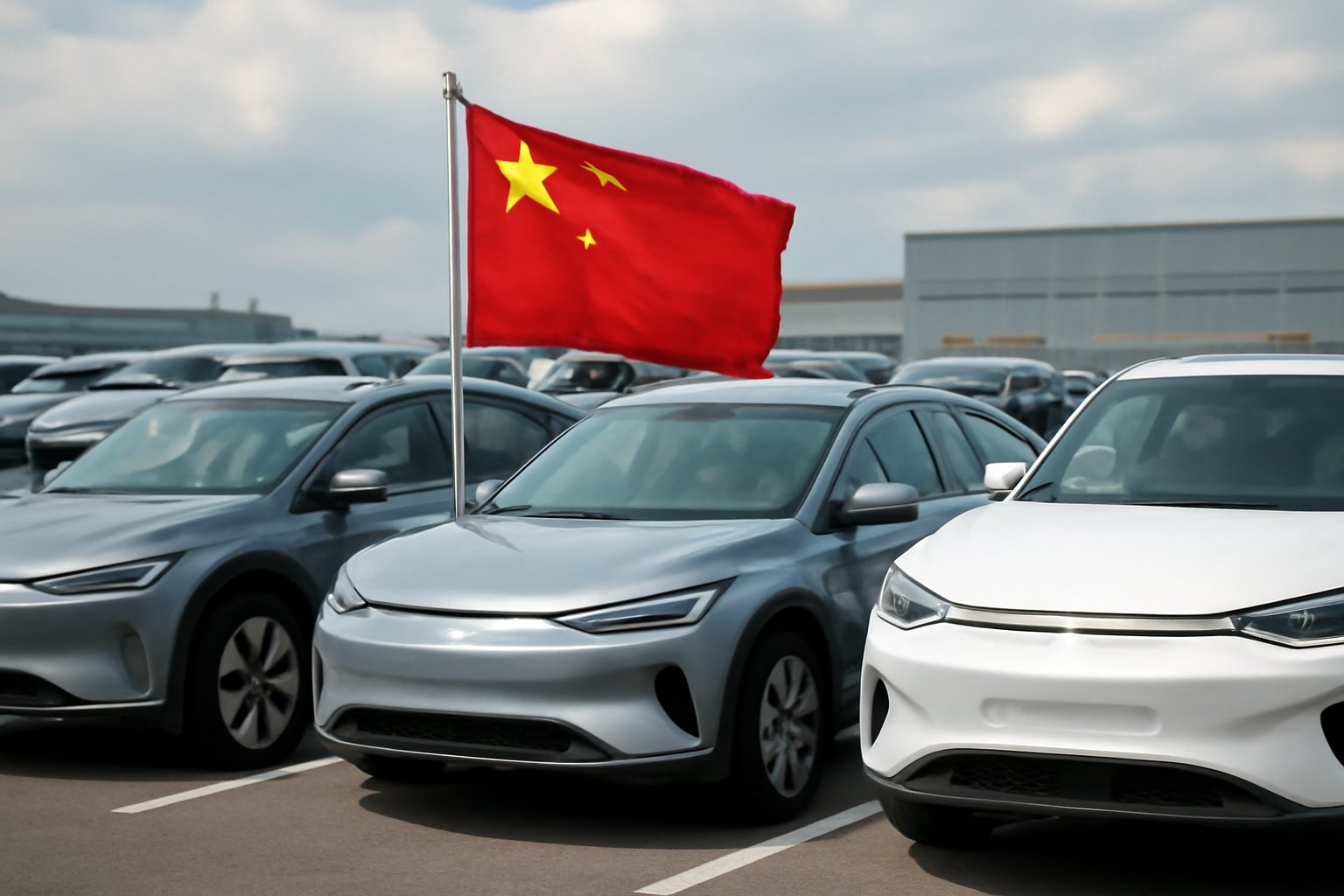
Chinese vehicles gain ground on price
Chinese-made electric vehicles have expanded rapidly in South Korea and now represent one in every three new EVs sold in the country, according to the source material. Their advance is being driven primarily by price competitiveness, increasing pressure on Korean automakers in a market where the purchase price remains a decisive factor for consumers.
The shift gives Chinese manufacturers a substantial position in South Korea’s new-EV segment. It also changes the competitive environment for domestic producers, which must defend market share against imported models offered at lower or more attractive prices. The source material does not identify individual Chinese brands or provide sales volumes, but the one-third share indicates that the challenge is no longer limited to a small group of imported vehicles.
Tax treatment adds pressure on Korean production
Government support for South Korea’s domestic vehicle industry is narrowing at the same time. The individual consumption tax reduction available for environmentally friendly vehicles is being scaled back, while electric vehicles have been excluded from the government’s production tax credit. Industry concerns therefore extend beyond retail competition to the economics of manufacturing EVs inside the country.
A production tax credit can directly influence where companies allocate manufacturing, investment and capacity. Excluding EVs weakens a potential cost offset for Korean plants just as imported Chinese vehicles are gaining market share through lower prices. Domestic manufacturers could consequently face pressure on both sides: less support for buyers of green vehicles and no production credit for the factories supplying them.
Price gap may shape investment decisions
The immediate issue for Korean automakers is whether they can preserve price competitiveness without reducing margins or delaying investment. Lower-priced imports can force domestic producers to adjust model specifications, sourcing and production costs. If tax policy does not offset part of the manufacturing burden, companies may have less room to compete on price while financing new EV platforms and local capacity.
For Chinese producers, a one-third share provides a stronger base for expanding distribution and competing across additional vehicle categories. For Korean component suppliers and manufacturing regions, the risk is that weaker domestic vehicle economics eventually affect orders and capacity decisions. The policy debate will therefore concern more than consumer incentives: it will also determine whether South Korea’s tax framework supports local EV output as imported competition intensifies.