Chinese Ejiao Demand Puts Pressure on Africa’s Donkey Herds
Chinese demand for ejiao requires an estimated 4 million to 5 million donkey skins annually, exceeding the supply available from Chinese farms. African herds are increasingly targeted despite a 15-year slaughter moratorium approved by the African Union in 2024.
Ejiao producers look beyond Chinese farms
Demand from China’s traditional medicine and consumer goods markets is putting growing pressure on Africa’s donkey population. Millions of African donkeys are being slaughtered for their skins, which are processed into ejiao, a gelatin-based product historically associated with Chinese medicine, according to RFI. The trade is affecting livestock markets as well as rural households that depend on donkeys for transport and farm work.
RFI reports that satisfying current demand requires an estimated 4 million to 5 million skins every year, substantially more than Chinese donkey farms can supply. A single skin can be worth more than $400 in China. That price has encouraged a profitable segment of the global raw hides and skins market spanning the African continent, including theft and unauthorized slaughter.
A consumer product moves beyond traditional medicine
Ejiao was once reserved for China’s imperial elites but is now consumed by tens of millions of Chinese women, RFI reports. Its commercial reach has also expanded beyond traditional tonics. Manufacturers use ejiao in drinks, cakes and cosmetics, some of which are sold at very high prices.
This wider product range has increased the number of consumer markets competing for the same raw material. Donkey breeding cannot expand quickly enough to match annual skin demand, leaving processors dependent on existing animal populations. Africa has become a central source because it holds about two-thirds of the world’s donkeys, according to RFI.
Higher prices carry costs for rural households
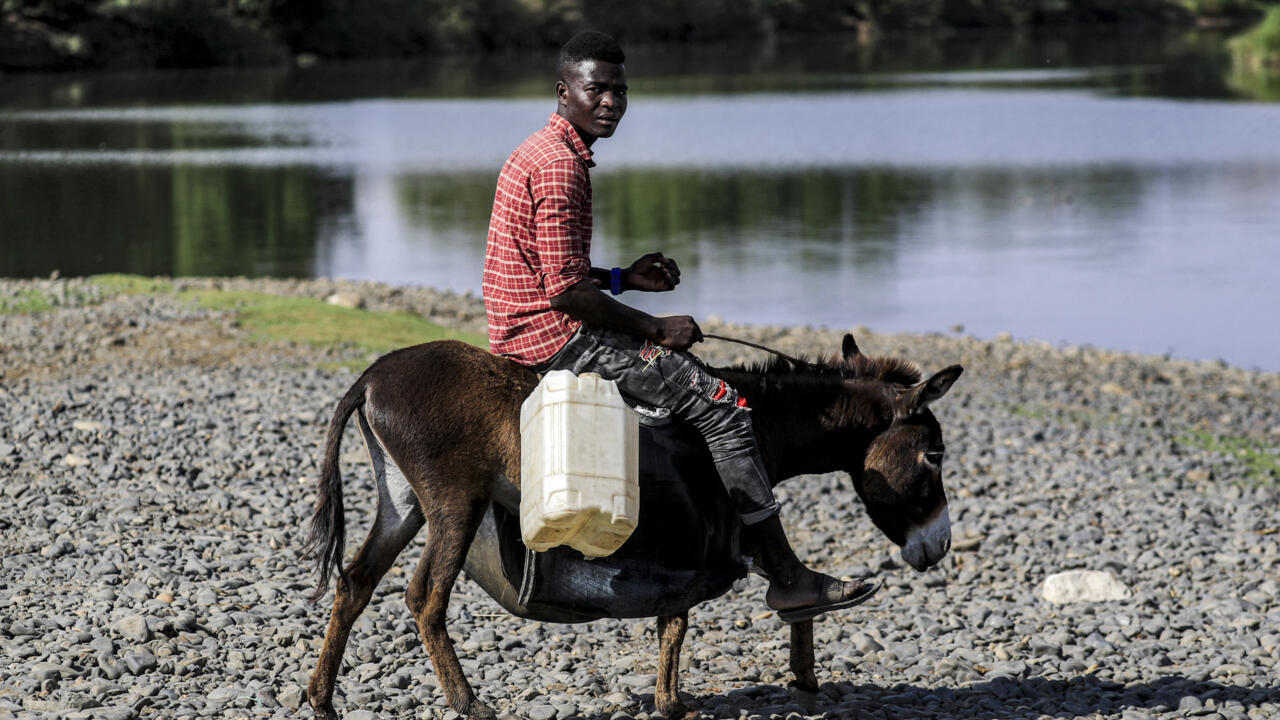
The value of skins has changed the economics of an animal traditionally kept for its labor rather than its meat or hide. Donkey prices are rising, while animals are being stolen and killed. For affected families, the loss is not limited to the market value of the animal: donkeys carry water, harvested crops and firewood, making them an essential productive asset in many rural communities.
The African Union approved a 15-year moratorium on slaughtering donkeys for their skins in 2024. RFI reports that two years after that decision, the trade continues to weaken the livelihoods of thousands of African families, while the broader depletion of herds threatens millions of rural households. The gap between the moratorium and continuing activity shows the difficulty of policing a trade supported by skins worth more than $400 at their destination. For producers and processors, tighter enforcement would constrain raw-material availability; for African livestock owners, it could protect working animals whose economic contribution extends across water collection, harvesting and household transport.