Chinese car brands take over 11% of Romania’s market, ranking seventh in Europe
Chinese automakers have secured more than 11% of Romania’s car market, placing the country seventh in Europe by their market share. Romania now ranks ahead of Germany, France and Portugal as BYD, SAIC and Chery expand across the region.
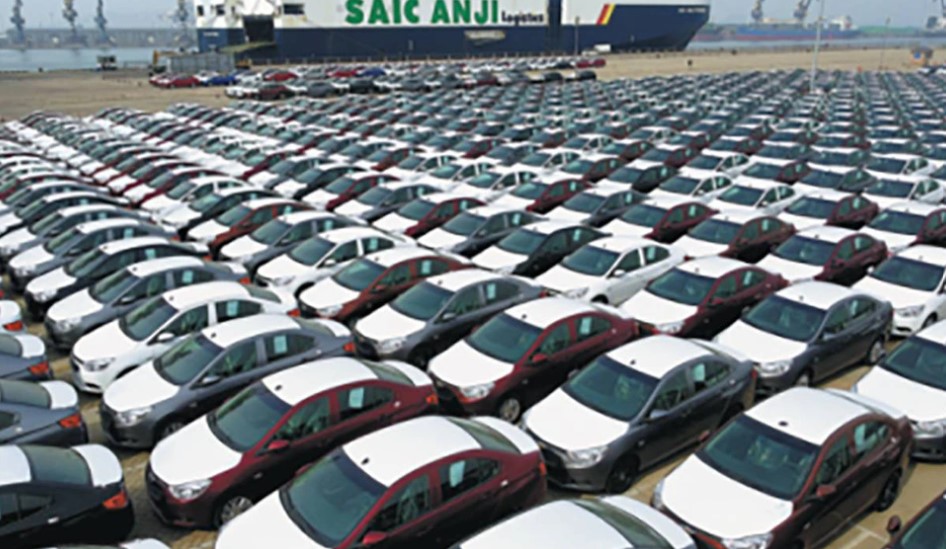
Romania moves into Europe’s top tier for Chinese car sales
Chinese automotive brands now account for more than 11% of Romania’s car market, making the country their seventh-strongest European market by share, Economica.net reported. Romania ranks ahead of larger or more established automotive markets including Germany, France and Portugal.
The result reflects a rapid change in local competition. Chinese groups including BYD, SAIC and Chery are expanding at the expense of established manufacturers such as Fiat, Ford and Citroën. The speed of the shift is notable because MG Motor, initially the main volume driver among Chinese brands in Romania, entered the local market officially only in December 2023.
European share rises from 0.5% to 9.5%
Romania’s position is part of a broader expansion that has accelerated over the past five years. Dataforce figures cited by Economica.net show that Chinese brands’ combined share across the European Union, the United Kingdom and EFTA countries rose from 0.5% in 2021 to 9.5% in the first half of the year covered by the data.
The Romanian share of more than 11% therefore stands above the wider regional level. For distributors and dealers, that creates a larger addressable market for Chinese vehicles aftersales, financing and fleet services. For incumbent manufacturers, it adds pressure in a country where new competitors have established meaningful sales volumes within a short period.
China’s domestic pressures strengthen the export drive
Economica.net linked the overseas push to severe industrial overcapacity, aggressive price competition and weaker conditions in China’s home market. The publication reported that China’s car market contracted by about 20% this year. In response, major manufacturers have prioritised European exports as a way to protect profit margins and use available production capacity.
Chinese brands initially built their European presence with aggressive pricing relative to vehicle size and equipment. They subsequently added fast-developing technologies and equipment packages for which premium manufacturers from Europe, Japan, South Korea and the United States typically charge higher prices. According to the report, this combination is putting pressure not only on mass-market brands but also on deliveries by Audi, BMW and Mercedes-Benz.
Tariffs have not stopped market penetration
The expansion has continued despite additional European Commission tariffs of up to 35% on imports of battery-electric vehicles from China. The duties apply to fully electric vehicles, but the Romanian market-share figure covers Chinese brands more broadly. The data therefore indicate that tariff barriers alone have not prevented these manufacturers from gaining customers.
Chinese companies have also cut prices substantially in key markets such as Germany and entered the rent-a-car segment, Economica.net said. Fleet channels can provide volume and increase the visibility of relatively new brands, while broad equipment lists strengthen their offer to price-sensitive retail buyers.
Romania’s rise to seventh place shows that the European advance is not confined to the region’s largest car markets. A share exceeding 11%, achieved soon after MG Motor’s December 2023 entry, gives Chinese manufacturers a stronger base for dealer and service-network development. European, Japanese, South Korean and US competitors must now respond to rivals combining available capacity, competitive prices and increasingly sophisticated vehicle technology.