Chinese-built EVs enter Canada as lower tariff unsettles auto industry
Canada has reopened its market to Chinese-built electric vehicles under a 49,000-unit annual quota and a 6.1% tariff. Initial arrivals from Tesla and Geely-owned Lotus are testing a policy that promises more competition but raises concerns for Canadian manufacturers and suppliers.
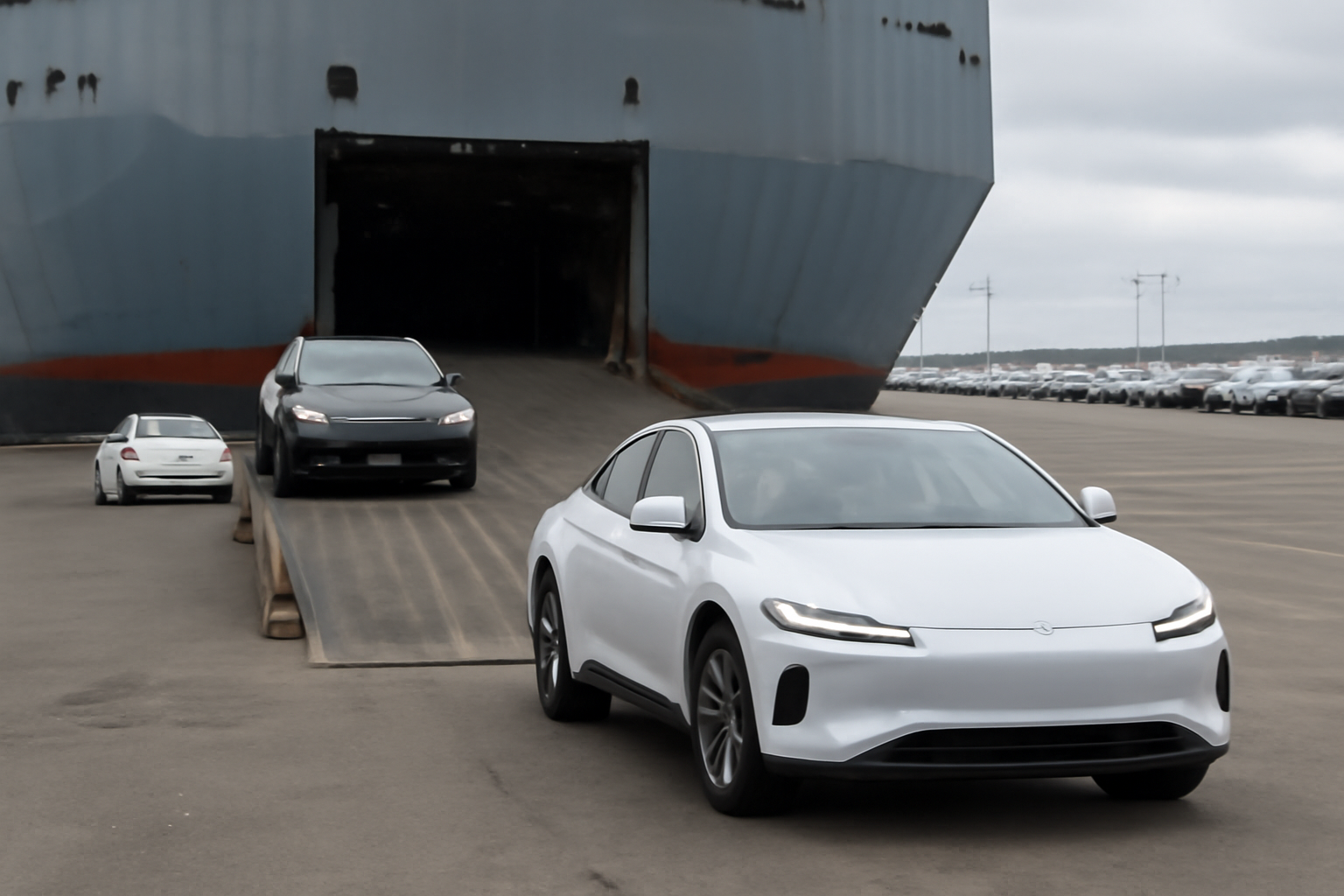
Tariff falls from 100% to 6.1%
Chinese-built electric vehicles are entering Canada after Ottawa replaced a prohibitive surtax with a limited import quota, marking an early commercial result of improving relations between Canada and China. The change opens a new route into a major North American vehicle market while confronting Canadian manufacturers, parts suppliers and dealers with competitors backed by China’s large electric-vehicle production base.
The Canadian government said Prime Minister Mark Carney’s January 2026 visit to Beijing was the first by a Canadian prime minister since 2017. During the visit, Canada and China announced a preliminary arrangement covering several trade disputes. Ottawa agreed to allow up to 49,000 Chinese electric vehicles annually at Canada’s most-favoured-nation tariff of 6.1%. The previous measure, introduced in October 2024, imposed a 100% surtax on electric vehicles made in China.
Associated Press reported that the initial ceiling is expected to rise to about 70,000 vehicles over five years. The quota took effect on March 1, 2026, according to Global Affairs Canada, with import permits allocated on a first-come, first-served basis during an initial six-month period. The arrangement applies according to where a vehicle is built, meaning it can benefit both Chinese brands and foreign manufacturers operating factories in China.
Tesla and Lotus lead the first wave
The Automobile Protection Association said Tesla has begun sourcing the entry-level, rear-wheel-drive Model 3 for Canada from its Shanghai factory instead of Fremont. It listed the vehicle at C$39,490 before transportation and preparation charges, the association said, describing that as a record low Canadian price for the model. Tesla is headquartered in the United States, but its use of Chinese production illustrates how the quota can reshape supply decisions beyond Chinese-owned brands.
Geely-owned Lotus is also bringing China-manufactured electric vehicles to Canada. Reuters reported that Chinese Ambassador Wang Di said Lotus vehicles would arrive under the bilateral arrangement. The all-electric Eletre sport utility vehicle is built in Wuhan, while Lotus already had six authorized Canadian dealership outlets in the first quarter of 2026, according to CnEVPost. These initial premium vehicles do not yet amount to a mass-market invasion, but they establish the import, certification and retail channels that other manufacturers could follow.
Competition and industrial policy collide
The opening has unsettled parts of Canada’s auto industry because domestic assembly is closely integrated with the United States. Canadian plants and suppliers operate within a continental production system, while Washington continues to restrict Chinese-made vehicles. The policy divergence creates questions about future trade rules, investment requirements and whether imported vehicles will eventually be accompanied by Canadian assembly, research or battery-supply-chain projects.
Price competition will be central. During the first quarter of 2026, the average Canadian electric-vehicle price matched the average price of a gasoline vehicle at C$49,500, the Journal de Québec reported. Lower-cost Chinese models could widen consumer choice, but the earliest arrivals include premium vehicles as well as Shanghai-built Teslas. For producers and suppliers, the immediate risk is therefore less the full 49,000-unit quota than the market access now established. For importers and dealers, the same opening offers a limited but expandable channel into Canada if vehicles meet local safety, service and certification requirements.