Nearly 10 Chinese automakers prepare to enter Vietnam through 2027
Nearly 10 Chinese vehicle brands are preparing to enter Vietnam during the remainder of 2026 and in 2027. The announced group includes Zeekr, Li Auto, Changan, DFSK, Forthing, Deepal and Icaur, setting up a broader contest for customers and dealership partners.
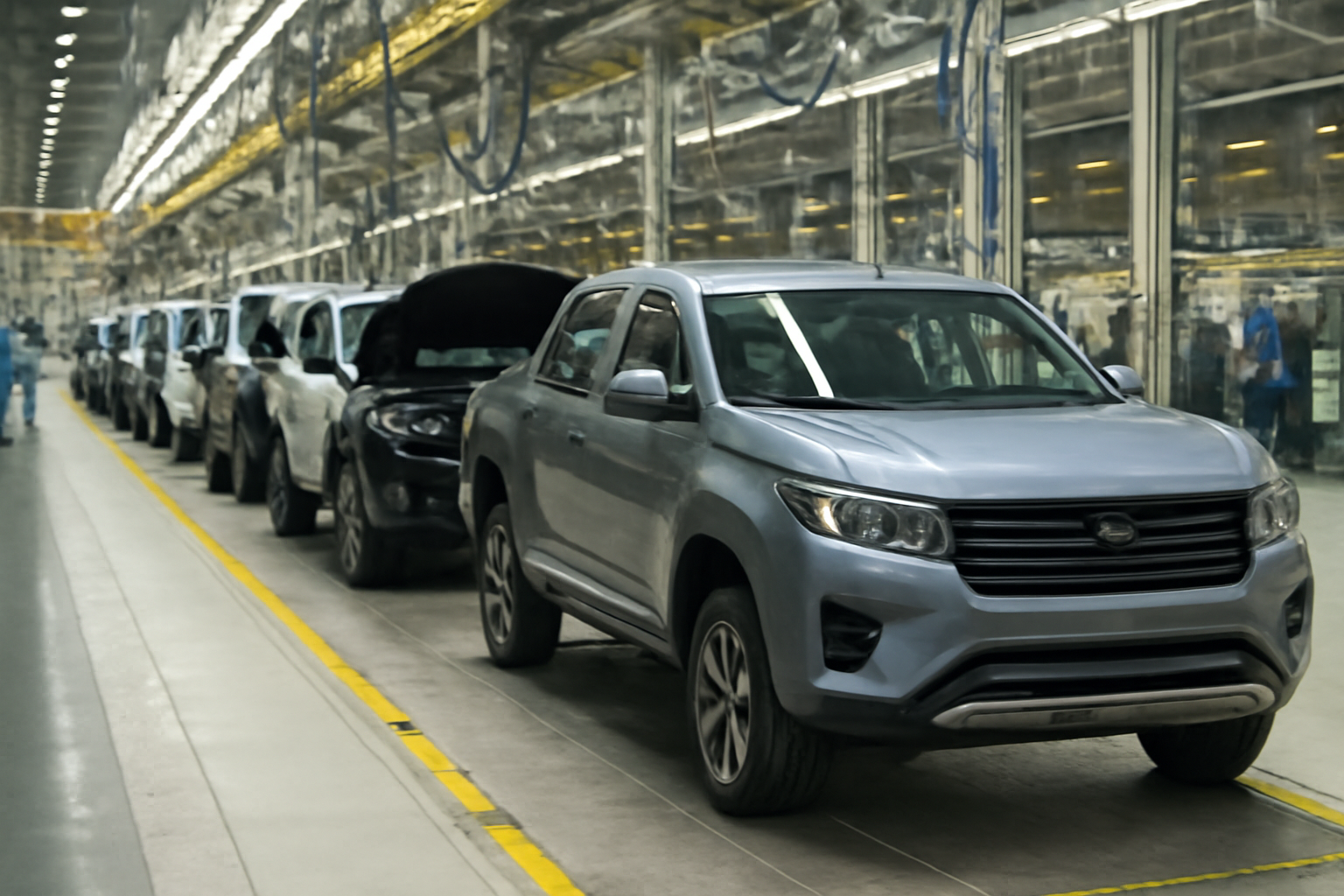
Chinese brands line up for Vietnam
Nearly 10 Chinese vehicle brands are preparing to enter the Vietnamese market during the remainder of 2026 and in 2027, according to the headline information provided for this report. The companies identified include Zeekr, Li Auto, Changan, DFSK, Forthing, Deepal and Icaur. The list names seven brands, while the report describes the overall group as approaching 10.
The planned entries would bring several Chinese manufacturers into Vietnam within a relatively short period. The available information does not specify exact launch dates, model lineups, sales targets, production plans or investment figures. It also does not say whether every company will establish its own national sales operation or work through local partners. Those choices will determine how quickly each brand can move from an announced plan to regular vehicle deliveries.
Dealership competition moves to the foreground
For new entrants, market access involves more than importing vehicles. Brands need showrooms, sales staff, maintenance capacity, spare-parts availability and warranty support. With nearly 10 companies considering entry across 2026 and 2027, competition for capable Vietnamese distributors and suitable dealership locations could intensify before all the planned models reach customers.
The operating model will matter. A brand using an established distributor may gain local market knowledge and an existing retail footprint, while a company building its own network retains more control but must create infrastructure and customer confidence from the ground up. The source material does not identify the distribution arrangements for Zeekr, Li Auto, Changan, DFSK, Forthing, Deepal or Icaur, so their commercial readiness cannot yet be compared.
More brands could sharpen price competition
A larger field of vehicle suppliers gives Vietnamese buyers more alternatives and may put pressure on pricing, equipment packages and after-sales terms. Incumbent manufacturers and established importers may have to respond through product positioning, dealer incentives or service offers. However, no vehicle prices or model specifications were provided, making it too early to judge which segments will experience the strongest pressure.
Price alone will not decide the outcome. Buyers and fleet operators will also assess resale prospects, parts supply, repair coverage and the durability of each brand's local presence. These factors are especially relevant when several unfamiliar or recently introduced names arrive close together. A wide launch program can attract attention, but maintaining service standards after the initial rollout will be central to retaining customers.
Execution will separate announcements from durable expansion
The period through 2027 will show which companies can convert entry plans into sustained operations. Industry participants will be watching for confirmed launch schedules, distributor appointments, showroom openings and details of the vehicles allocated to Vietnam. These milestones will provide a clearer basis for measuring the competitive impact on existing manufacturers.
For dealers, the new wave creates opportunities to add brands, but it also raises portfolio and investment decisions. For incumbent manufacturers, the immediate issue is a prospective increase in the number of competitors. For the Chinese entrants, the challenge is to build sales and service networks that can support their vehicles beyond the first deliveries. Until detailed plans are announced, the scale of the market shift remains uncertain, but the number of prospective entrants points to a more crowded Vietnamese automotive sector in 2027.