Chinese brands behind one in three new car launches in Vietnam in 2026
Thirteen new Chinese models and variants reached Vietnam through September 2026, close to 33% of all launches, against seven to eight from Japanese and Korean brands. Imports from China rose 45.9% by volume and 58.8% by value in eight months, but Chinese cars still hold just over 2% of new registrations.
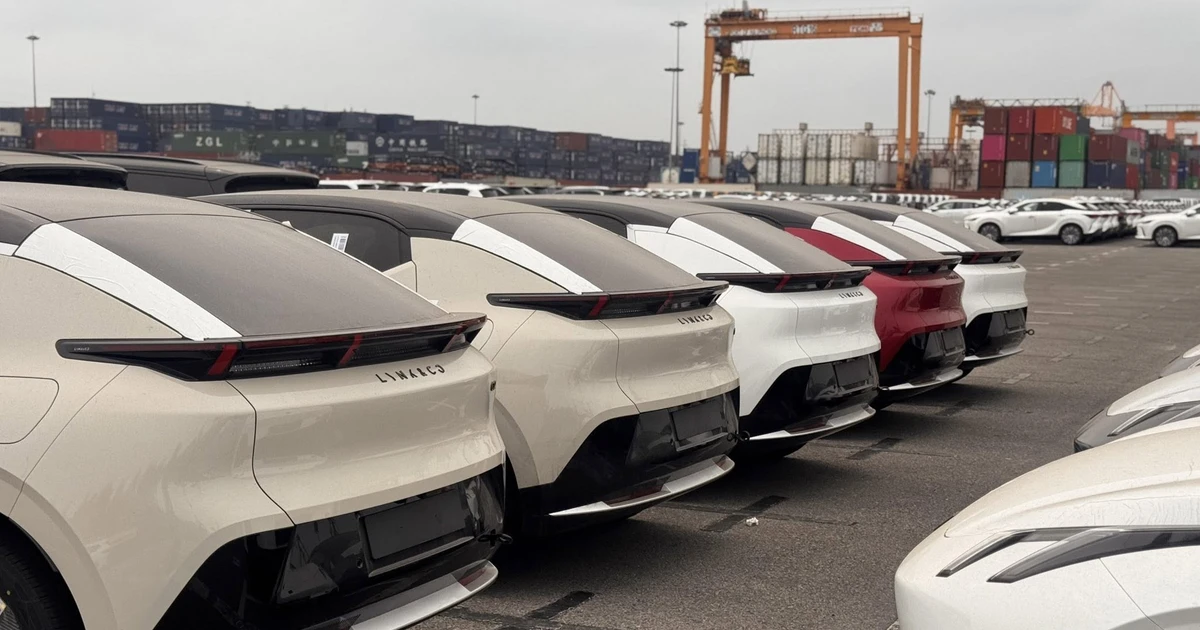
One in three new launches is Chinese
Chinese car brands supplied close to a third of all new models introduced in Vietnam this year. According to Tien Phong, 13 new Chinese models and variants reached the Vietnamese market through the end of September 2026, nearly 33% of all launches — on average, one in every three new cars put on sale carries a Chinese badge. Japanese and Korean manufacturers, which have supplied the bulk of Vietnam's new-car offer for decades, introduced only seven to eight new models over the same period.
The Chinese launches span almost every segment and powertrain:
- Geely: EX2, Coolray, Okavago and the EX5 PHEV
- Lynk & Co: 03, 02 and 900
- Jaecoo J5, Omoda C5 Hybrid, BYD Dolphin and GAC Emzoom
- Wuling: Bingo and Grango
More than 10 Chinese brands now sell cars in Vietnam, with line-ups running from mass-market models priced at a few hundred million dong to SUVs, electric cars, hybrids, plug-in hybrids and premium vehicles costing billions. A further wave is preparing to enter the market, including Zeekr, Li Auto, Changan, DFSK, Forthing, Deepal and iCaur.
Customs data show China gaining fastest
Vietnam imported 19,346 completely built-up vehicles in August 2026, worth $450 million, according to Customs Department figures cited by Tien Phong. Indonesia led with 8,511 units, followed by China with 4,654 and Thailand with 4,330. The three origins together accounted for roughly 91% of the month's import volume.
Over the first eight months of 2026, China ranked third by volume behind Indonesia and Thailand, but first by value:
- China: 44,335 units worth more than $1.568 billion
- Indonesia: 70,366 units worth more than $1 billion
- Thailand: 44,411 units worth almost $923 million
Shipments from China rose 45.9% year on year by volume and 58.8% by value. Part of that higher average value reflects the product mix: imports from China include a large share of high-value specialised vehicles for construction work. But passenger cars are also moving upmarket. The Lynk & Co 900 SUV is listed at more than 3 billion dong, while the Lotus Emeya and Eletre electric models, also imported from China, start at around 4.48 billion dong, alongside the cheaper mass-market models that built the brands' initial presence.
Southeast Asian plants add a second channel
Chinese brands are not relying on direct exports from China alone. The BYD Dolphin 2026 is imported from Thailand, while the Geely Coolray and GAC GS3 Emzoom are produced in Malaysia. Using regional plants as a source for Vietnam thickens the Chinese-badged offer on dealer floors and spreads it across more price points than direct imports alone would allow.
Sales have yet to follow supply
Registration data point to a wide gap between the volume arriving and actual demand. In 2025, first-time registrations of Chinese cars with nine seats or fewer totalled only about 17,000 to 18,000 units, well below the 47,895 Chinese vehicles imported that year, and accounted for under 5% of the domestic passenger-car market.
In the first half of 2026, 9,543 Chinese cars were registered for road use, up 20.9% year on year. Measured against more than 369,000 new cars registered nationwide over the same period, that leaves their share at just over 2%.
Supply, brand count and model choice are all expanding quickly, but turning imported units into retail sales remains the unresolved problem for Chinese manufacturers in Vietnam, Tien Phong reported.