China’s Visa Curbs and Russian Oil Buying Add Pressure on Indian Business
Indian companies face a dual challenge from tighter access to Chinese business visas and stronger Chinese demand for Russian crude, Navbharat Times reports. The pressures affect business travel, supply-chain coordination and competition for oil available to Indian refiners.
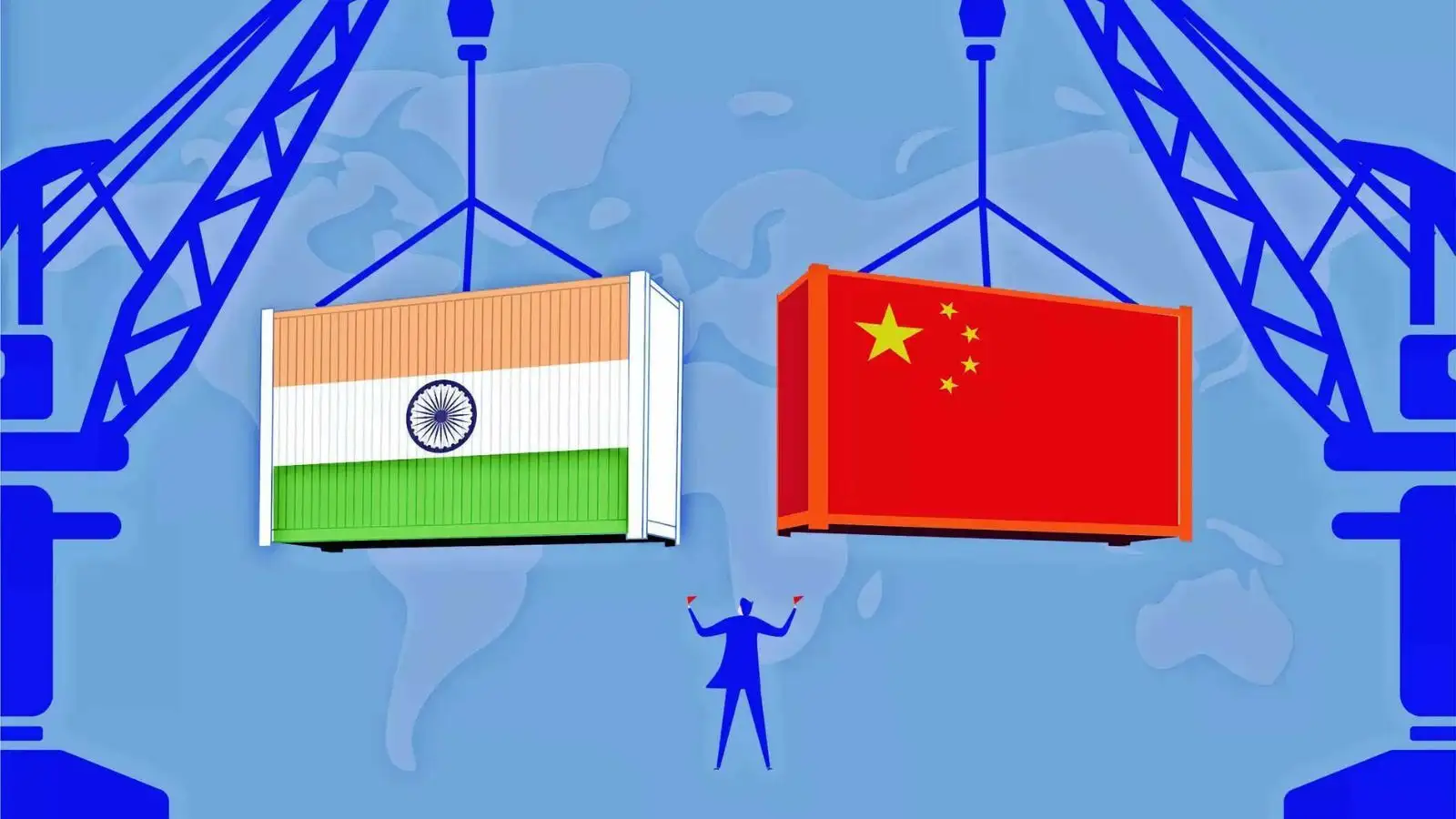
Two sources of pressure on Indian companies
Indian businesses are encountering pressure on two separate but commercially connected fronts in their dealings with China. Navbharat Times reports that Indian officials are finding it more difficult to obtain Chinese business visas, while increased Chinese purchases of Russian oil are making access to Russian crude more challenging for Indian refiners.
The visa issue directly affects the movement of personnel needed to manage commercial relationships. Indian companies that depend on visits to Chinese factories, suppliers or business partners may face greater difficulty arranging meetings, inspecting production and resolving operational problems in person. The available source material does not specify which visa rules have changed, how many applications have been affected or the length of any delays.
That lack of detail makes it impossible to quantify the disruption. Even so, tighter access can add uncertainty to procurement and project schedules, particularly where technical teams or company officials need to travel at short notice. Remote communication can cover routine discussions, but it cannot fully replace factory inspections, equipment checks or negotiations that require a physical presence.
Competition for Russian crude
The second pressure point is energy. According to Navbharat Times, increased Chinese buying of Russian oil is creating difficulties for Indian refiners. The report does not provide purchase volumes, prices, discounts, shipment data or the names of affected refiners, so the scale of the impact cannot be established from the supplied material.
The commercial mechanism is nevertheless clear. When major buyers compete for the same crude supply, refiners may have less negotiating leverage over price, contractual terms and cargo availability. Indian buyers could face a narrower choice of shipments or stronger competition when negotiating with Russian suppliers. The eventual effect would depend on refinery requirements, freight costs, payment arrangements and the availability of alternative crude grades.
China and India are not competing in every transaction, and the source does not claim that Russian supplies to India have stopped. The issue is the relative bargaining position of buyers. Stronger Chinese demand can influence the terms available to Indian refiners even when both markets continue receiving cargoes.
Operational and market implications
The two developments affect different parts of the economy but share a common consequence: reduced flexibility for Indian companies. Visa restrictions can complicate access to Chinese industrial partners, while stronger oil competition can limit refiners’ room to secure favorable Russian supply terms. Neither issue alone establishes a broad break in commercial relations, but together they increase the need for contingency planning.
Importers and manufacturers may need to allow more time for travel approvals and strengthen local quality-control or supplier-management capacity in China. Refiners and oil traders may need to compare Russian offers more closely with alternative grades, taking account of delivered cost rather than headline price alone. Those are risk-management responses, not evidence that companies have already changed suppliers.
The available report supports a direction of travel rather than a measurable estimate of financial damage. For industry participants, the next relevant indicators will be visa-processing conditions, the ability of Indian personnel to visit Chinese counterparties, Chinese purchases of Russian crude and the pricing and availability of cargoes offered to Indian refiners.