China’s tighter import standards push Vietnam’s produce sector to overhaul supply chains
China, which generates 65–70% of Vietnam’s fruit and vegetable export revenue, is imposing stricter requirements on quarantine, chemical residues, traceability and environmental practices. Vietnamese suppliers face pressure to digitize growing-area records, expand processing and improve cold-chain logistics.
Export dependence meets stricter market access
China is tightening requirements for Vietnamese fruit and vegetable imports, putting pressure on growers, processors and logistics providers to improve traceability, quality control and environmental performance. China remains the sector’s largest market and accounts for 65–70% of its total export revenue, according to the Vietnam Fruit and Vegetable Association. That concentration makes compliance with Chinese standards a commercial priority for Vietnam’s Mekong Delta, one of the country’s main agricultural regions.
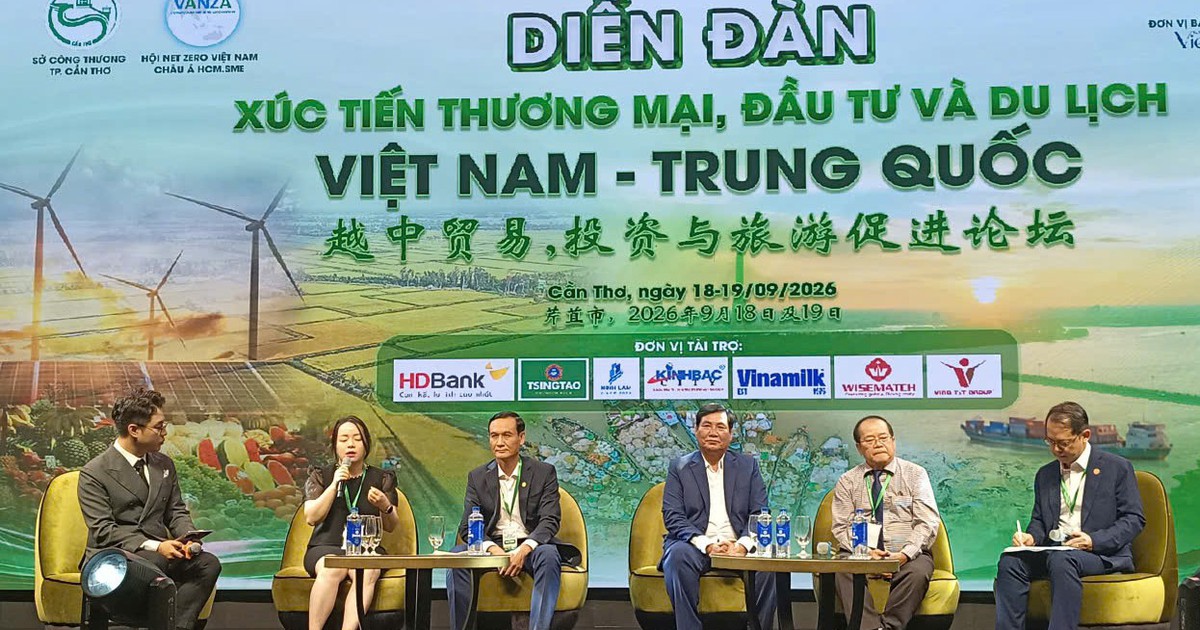
Dang Phuc Nguyen, secretary-general of the association, told the 2026 Vietnam-China Trade, Investment and Tourism Promotion Forum in Can Tho that China can no longer be treated as an undemanding market focused on informal border trade. Plant quarantine, pesticide-residue limits and origin traceability are becoming more rigorous. Requirements connected with green production and lower carbon emissions are also receiving greater attention.
Consumer preferences are reinforcing the regulatory shift. Government Electronic Newspaper and Vietstock reported that shoppers in several Chinese cities are showing greater interest in organic products, ecological farming, quality certification and traceability across harvesting and packing. Some large importers are also prioritizing suppliers that use greener logistics, reduce their carbon footprint and adopt environmentally friendly packaging.
Fresh produce exposes the supply chain
Vietnam’s export mix increases its exposure to border delays and quality losses. Documents presented at the forum showed that fresh fruit and vegetables represent more than 70% of sector exports, while deeply processed products account for about 30%. Fresh cargo is particularly sensitive to weather, disease, transport time, temperature control and customs-clearance speeds.
The Vietnam Fruit and Vegetable Association has proposed a “green production map,” with specialized growing areas organized around market demand. It also recommends digitizing the management of growing-area codes and strengthening production controls to limit origin fraud. For exporters, reliable records from farms through packing facilities would support regulatory compliance and protect the reputation of Vietnamese produce.
Processing closer to production areas is another proposed response. Companies could expand beyond fresh fruit into frozen products, freeze-dried fruit, concentrated juice, nutritional products and essential oils made from agricultural by-products. These categories can extend shelf life, reduce pressure to sell during peak harvest periods and limit losses when transport or border clearance slows.
Can Tho seeks logistics and processing investment
Forum documents called for investment in cold-storage transfer facilities in Can Tho and stronger road, sea, rail and air links. The city is seeking investment in logistics, distribution centers, deeper processing of agricultural and aquatic products, e-commerce, digitalization and green technology. It also wants to connect local companies with Chinese importers and distributors handling produce, fruit, rice, rice products, seafood and processed food.
The forum took place on 18–19 September in Can Tho and was expected to bring together more than 300 companies from the two countries. Its program included business-to-business meetings, product presentations, cooperation signings and visits to industrial parks, factories and production areas. Can Tho officials said the test would be whether those contacts produce memoranda, contracts, orders, investment projects and long-term partnerships. For Vietnam’s produce industry, the immediate challenge is to convert its production scale into reliable, documented and temperature-controlled supply that can continue meeting China’s evolving standards.