China's textile and apparel exports edge up to $67 billion in Q1 2026
China's combined textile and apparel exports edged up to roughly $67 billion in the first quarter of 2026, according to Fibre2Fashion. Garment shipments declined year on year, while exports of yarns, fabrics and related textile products rose on stronger downstream manufacturing across Asia.
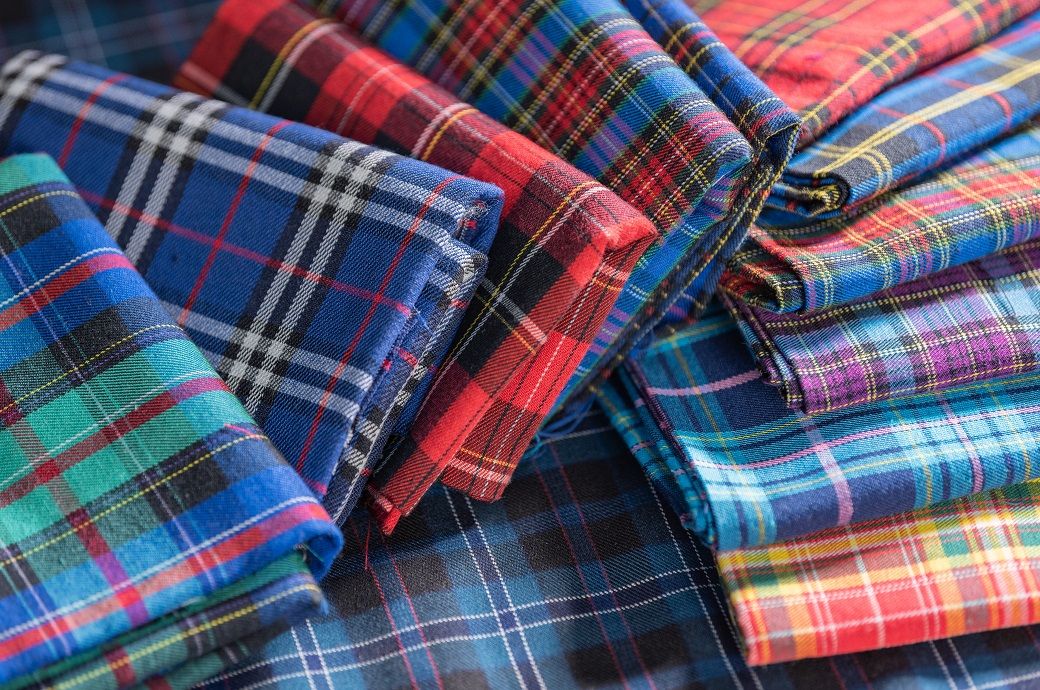
China's textile and apparel exports reach $67 billion in Q1 2026
China's combined exports of textiles and apparel edged up to roughly $67 billion in the first quarter of 2026, according to Fibre2Fashion. The figure keeps the country at the centre of global supply chains for clothing and textile intermediates, even as the two halves of the sector moved in opposite directions.
Garments slip, textile products gain
Shipments of garments and accessories eased year on year, Fibre2Fashion reported. Over the same period, exports of textile products — including yarns, fabrics and related articles — rose, supported by better downstream manufacturing activity across Asia. The divergence points to a supply chain in which finished-clothing assembly is increasingly handled outside China, while Chinese mills continue to supply the yarn and fabric that feed those factories. For trade analysts, the split matters more than the headline: it shows where value is being added and where it is moving.
March shipments
In March 2026 alone, exports of textile yarns, fabrics and related articles combined with garment shipments to a monthly total reported by Fibre2Fashion. The monthly reading underlines the steadier momentum in textile intermediates relative to finished apparel, and confirms that demand from neighbouring Asian manufacturers remained firm as the quarter closed.
What it means for trade flows
For importers and exporters, the quarterly data functions as a bellwether for wider consumer-goods trade. The main signals are:
- Finished apparel sourcing continues to diversify toward other Asian producers, softening China's garment shipments.
- Demand for Chinese yarns and fabrics is holding up, tied to manufacturing activity in neighbouring countries.
- The $67 billion quarterly total confirms China's scale remains unmatched despite the shift in where clothes are stitched.
Buyers of finished garments can expect continued competition among Asian assembly hubs, which should keep sourcing options wide and pricing pressure on. Purchasers of yarn and fabric, by contrast, remain closely linked to Chinese supply and pricing, and the Q1 numbers give little reason to expect that dependence to loosen in the near term.