China imposes 55% extra tariff after Brazil exhausts beef quota
China will impose an additional 55% tariff on Brazilian beef shipments exceeding Brazil’s 1.1-million-tonne annual quota from October 1. Combined with the 12% base import duty, the total tariff will reach 67%, increasing pressure on Brazilian exporters and encouraging market diversification.
Quota exhaustion triggers higher duty
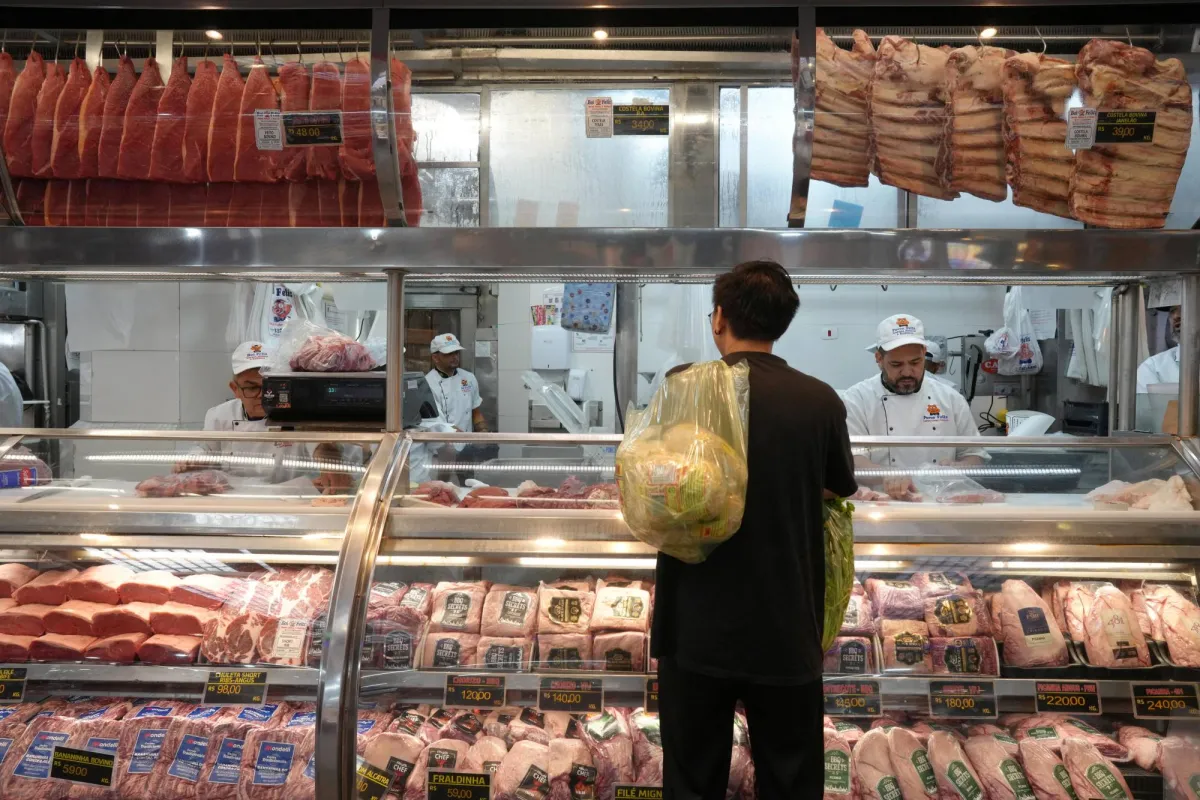
China will begin applying an additional 55% tariff to Brazilian beef imports after shipments from Brazil reached the country’s annual quota of 1.1 million tonnes. The measure takes effect on October 1 and adds a significant new constraint for the world’s largest beef-exporting country.
China’s Ministry of Commerce said Brazil had exhausted its annual allocation. Shipments above the quota will therefore face the additional tariff announced by Beijing in January as a measure to protect China’s domestic cattle industry from pressure associated with rising imports.
The 55% levy will be charged on top of China’s existing 12% basic import tariff. This will bring the total duty on Brazilian beef entering above the quota to 67%, sharply weakening the commercial viability of further shipments unless exporters, importers or suppliers absorb part of the additional cost.
Brazil’s attempt to use another quota faces resistance
China is Brazil’s largest beef buyer, making access restrictions directly relevant to Brazilian export volumes, cattle prices and processor margins. President Luiz Inácio Lula da Silva said Uruguay had allowed Brazil to use the unused portion of its quota to continue supplying China. Industry sources, however, said Beijing had not approved the use of Uruguay’s allocation by Brazil for either the current year or the next.
According to Reuters reporting cited by Asharq Al-Awsat, Beijing had already rejected repeated Brazilian attempts to obtain permission to use other countries’ quotas in May. Industry sources said China was unlikely to accept such arrangements even where Brazil reached direct agreements with countries holding unused allocations. China’s Ministry of Commerce has not publicly commented on those requests.
Exporters await decision on 2027
Attention is now turning to whether Beijing will extend the beef import quota system into 2027. A decision is expected before the end of the year and will influence production, procurement and sales planning across Brazil’s cattle and meat-processing industries. It will also determine whether the current restriction is a temporary year-end disruption or a longer-term limit on access to Brazil’s largest overseas market.
The Brazilian Beef Exporters Association, Abiec, expects the country’s total beef exports to decline by 10% in 2026 compared with the previous year, reflecting Chinese restrictions and similar measures recently introduced by the European Union. The forecast increases pressure on Brazilian suppliers to find alternative destinations, although replacing Chinese demand at comparable scale and prices may prove difficult.
For China, the tariff system creates room for domestic cattle producers by making above-quota imports more expensive. It may also create opportunities for foreign suppliers that remain within their own allocations, but the reported refusal to permit quota transfers limits Brazil’s ability to preserve flows through bilateral arrangements. For Brazilian exporters, the immediate choices are to pay the 67% total duty, delay shipments, redirect cargoes or negotiate lower prices across the supply chain.