China Quota Pressure Pushes Brazilian Beef and Pork Prices Lower
Brazilian beef and pork prices fell between January and July 2026 as weaker beef exports left more meat on the domestic market. Shipments lost momentum after Brazil exhausted China’s 1.1-million-tonne preferential beef quota, exposing additional volumes to a 55% tariff.
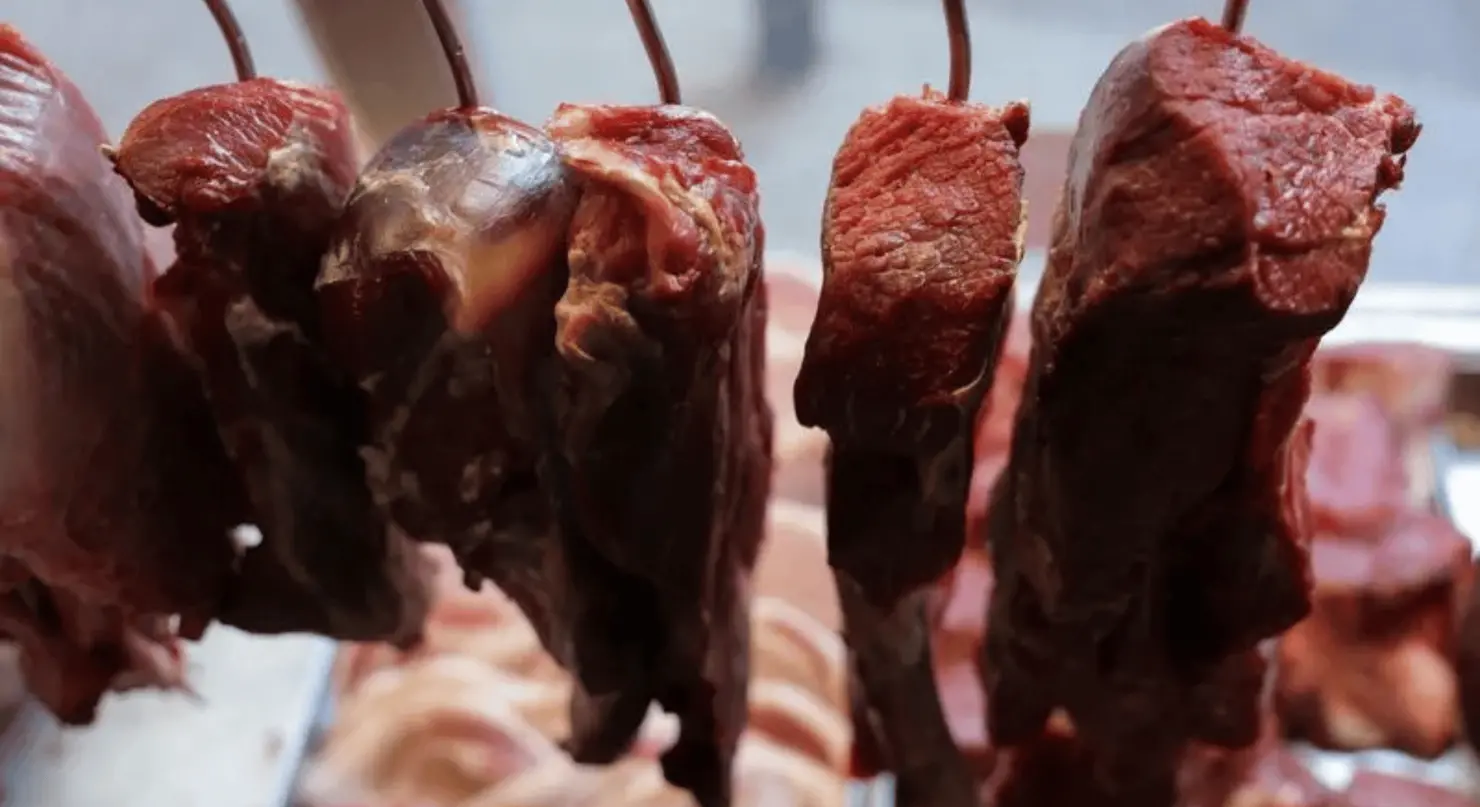
Retail meat prices fall across Brazil
Beef and pork became cheaper in Brazil between January and July 2026, as slowing beef exports increased the volume available to domestic buyers. The movement affected both everyday cuts and higher-value products, according to supermarket price data reported by O Hoje.
The Supermarket Price Index, compiled by the São Paulo Supermarkets Association in partnership with the Economic Research Institute Foundation, showed a 3.90% decline for chuck, the largest reduction among the beef cuts covered. Rump fell 2.77%, topside declined 2.45% and striploin dropped 1.76%. Knuckle prices decreased 1.39%, while tenderloin was 1.30% cheaper.
Pork recorded a steeper fall. Prices across the segment declined 8.11% during the period. Bone-in leg dropped 13.52%, while bone-in loin fell 10.16%. APAS chief economist Felipe Queiroz said the reductions were concentrated mainly in cuts commonly purchased for daily consumption, providing some relief to consumers.
Beef exports lose momentum after record first half
The domestic price decline coincided with weaker Brazilian beef exports. Secex data cited by O Hoje showed that overseas beef sales totaled $1.4 billion, or about R$7.13 billion, in July. That was 21% below June, interrupting the momentum of a first half marked by consecutive records.
When export volumes decline, a larger share of production remains in Brazil. The additional supply gives domestic processors, wholesalers and retailers more product to place in the local market, creating downward pressure on prices. Queiroz said July illustrated this connection between slowing foreign sales, higher domestic availability and cheaper supermarket meat.
The change was driven principally by trade with China, Brazil’s largest foreign buyer of beef. In July, Brazil reached the annual limit of 1.1 million tonnes that can enter China without an additional charge, according to O Hoje. Volumes shipped above that threshold face a 55% tariff, weakening the commercial incentive for further sales to the Chinese market.
China exposure shapes the domestic outlook
China’s weight in Brazil’s beef trade makes any change in its purchasing conditions significant for the entire supply chain. In 2025, Chinese buyers purchased 1.68 million tonnes of Brazilian beef, equivalent to 48% of the country’s total beef exports. A slowdown in that channel can therefore redirect substantial volumes toward Brazilian customers.
For cattle producers and meatpackers, lower retail prices do not automatically reveal how margins are being distributed along the chain. However, reduced access to the largest export destination can weaken competition for available meat and livestock. Traders must also assess whether paying the additional Chinese tariff remains commercially viable for particular products and contracts.
The outlook presented in the report is for sales to China to strengthen again in November, coinciding with the start of the quota for 2027. Until then, reduced Chinese participation may keep more beef inside Brazil and continue influencing prices across different cuts. Pork has also become substantially cheaper, although the source specifically links the export slowdown and Chinese quota mechanism to the beef market.