China orders cabbage probe as South Korea checks imports for formaldehyde risk
China has ordered a special investigation after allegations that formaldehyde was used to keep cabbage fresh in some rural areas. South Korea is checking whether affected produce was exported to its market and has immediately strengthened inspections of Chinese cabbage imports.
Central government orders special investigation
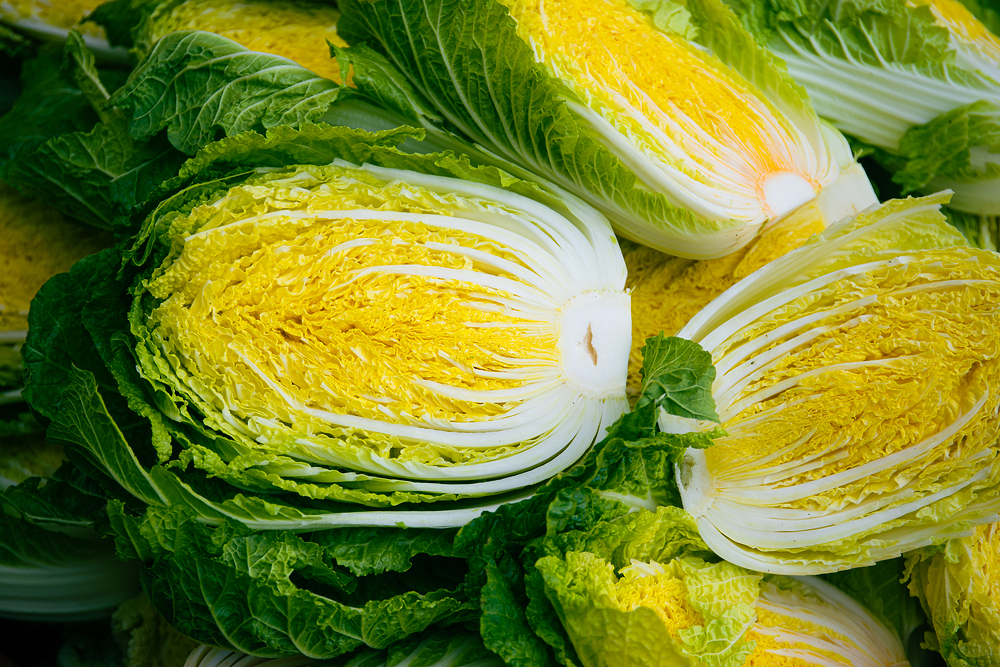
China’s central government has ordered a special investigation into allegations that formaldehyde was used to preserve the freshness of cabbage in some rural areas. The inquiry follows the publication of a video showing workers dipping the root ends of cabbages into a liquid believed to contain formaldehyde before loading the produce onto a truck.
According to Kyeonggi Ilbo, a container marked “formaldehyde solution” was visible at the purchasing site filmed by a blogger in Kangbao County. Chinese authorities are tracing the distribution routes of the cabbage involved to prevent further circulation. Sampling inspections and market investigations are also under way across the country.
South Korea examines possible import exposure
South Korea’s Ministry of Food and Drug Safety said on August 24 that it was trying to establish whether cabbage associated with the alleged practice had been exported to South Korea. The ministry is seeking information through channels including the Chinese Embassy in South Korea, Kyeonggi Ilbo reported.
The ministry has immediately strengthened import inspections for cabbage from China. It said further measures would be taken as additional information becomes available. The available source material does not identify any shipment confirmed to contain affected cabbage, nor does it provide volumes, supplier names or dates for potentially exposed consignments.
Food-safety rules and supply-chain implications
Formaldehyde is classified by the World Health Organization’s International Agency for Research on Cancer as a Group 1 carcinogen, meaning there is sufficient evidence that it can cause cancer in humans. Its aqueous solution is commonly known as formalin and is strongly irritating. Chinese food-safety law strictly prohibits its use during food processing and distribution, according to Kyeonggi Ilbo.
For cabbage growers, wholesalers and logistics operators, the investigation places greater emphasis on traceability between rural purchasing points, transporters and destination markets. Identifying farms, intermediaries and truck movements will be central to determining how widely the produce circulated and whether any consignments entered export channels.
For South Korean importers, tighter border inspection may increase scrutiny of documentation and product handling while the authorities establish the scope of the case. The absence of a confirmed affected import means the immediate issue is one of risk control rather than a documented contamination event in South Korea. Importers and retailers will nevertheless need to preserve supplier records and respond quickly to any additional testing or traceability requests.
Investigation will determine commercial impact
The market consequences will depend on whether investigators find an isolated practice or broader use of formaldehyde in cabbage distribution. Confirmation of affected export shipments could lead to targeted holds, recalls or additional controls, while evidence that the cabbage remained within a limited domestic route would narrow the impact.
Until China publishes findings from its special investigation and South Korea completes its import review, the geographic reach of the case remains unresolved. The key questions for the produce trade are where the cabbage originated, which intermediaries handled it and whether the traced distribution routes crossed national borders.