China’s pork imports fall 14% to about 947,000 tonnes in first half of 2026
China imported about 947,000 tonnes of fresh and frozen pork and pork by-products in the first half of 2026, down 14%. The contraction reduces the volume available to foreign suppliers in the world’s largest pork market.
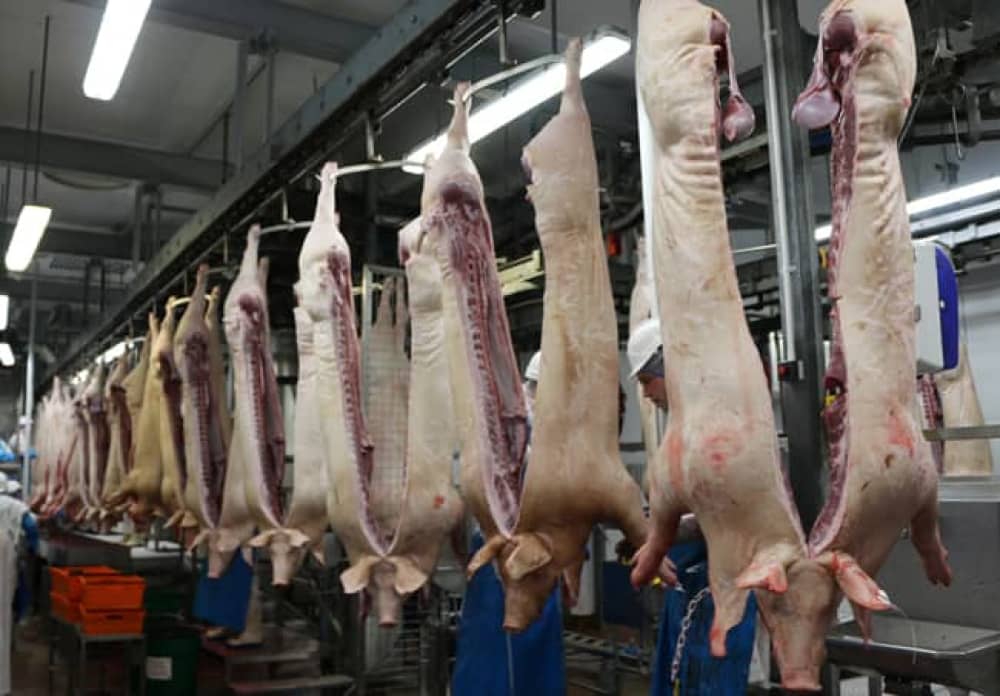
First-half imports decline
China’s imports of fresh and frozen pork and pork by-products fell 14% in the first half of 2026, according to Eurocarne. The combined volume was approximately 947,000 tonnes. The figure covers both meat and by-products, making the decline relevant to suppliers serving different segments of the Chinese pork market.
The reduction represents a significant pullback in purchasing by the world’s largest pork market. For overseas producers and processors, the headline change is not limited to cuts of fresh or frozen meat. It also includes pork by-products, which have their own commercial channels and customer base in China.
Pressure extends across the supply chain
A 14% contraction means exporters competed for a smaller aggregate import requirement during the first six months of the year. Suppliers whose processing and sales programs are designed around Chinese demand may need to place more product with other customers, retain it for longer or adjust production and cutting plans. The precise effect will vary according to each company’s exposure and product mix.
The inclusion of by-products matters because carcass value depends on selling multiple cuts and components, not only primary meat products. When demand in a major destination weakens, processors can face pressure on overall carcass returns even if the market for individual cuts performs differently. Importers and distributors in China, meanwhile, may have greater leverage when negotiating purchases if more suppliers are competing for reduced volume.
The reported data do not provide a country-by-country breakdown, prices or separate volumes for fresh pork, frozen pork and by-products. They therefore do not show which foreign suppliers lost the most volume or whether the decline was concentrated in a particular category. They also do not establish whether lower imports reflected domestic supply conditions, inventories, prices or another factor.
Exporters assess alternative outlets
For the global pork trade, China’s scale makes a double-digit change consequential even without additional detail on supplier shares. Exporters must judge whether the first-half reduction is temporary or whether purchasing will remain restrained. That decision affects sales strategy, processing schedules and the balance between shipments to China and alternative markets.
The approximately 947,000-tonne total remains a substantial trade flow, so China continues to be an important destination for pork and pork by-products. However, the 14% year-on-year decline indicates that access to this market alone does not guarantee stable volumes. Producers, processors and traders will be watching subsequent data for evidence of whether demand stabilizes, while avoiding firm conclusions that are not supported by the first-half figures.