China Opens Market to Additional Brazilian Pork Offal
Brazil and China have signed a sanitary protocol expanding access for Brazilian pork offal, including liver, heart and esophagus. The agreement follows a Chinese audit of Brazil’s animal-product control system and gives processors access to a large import market.
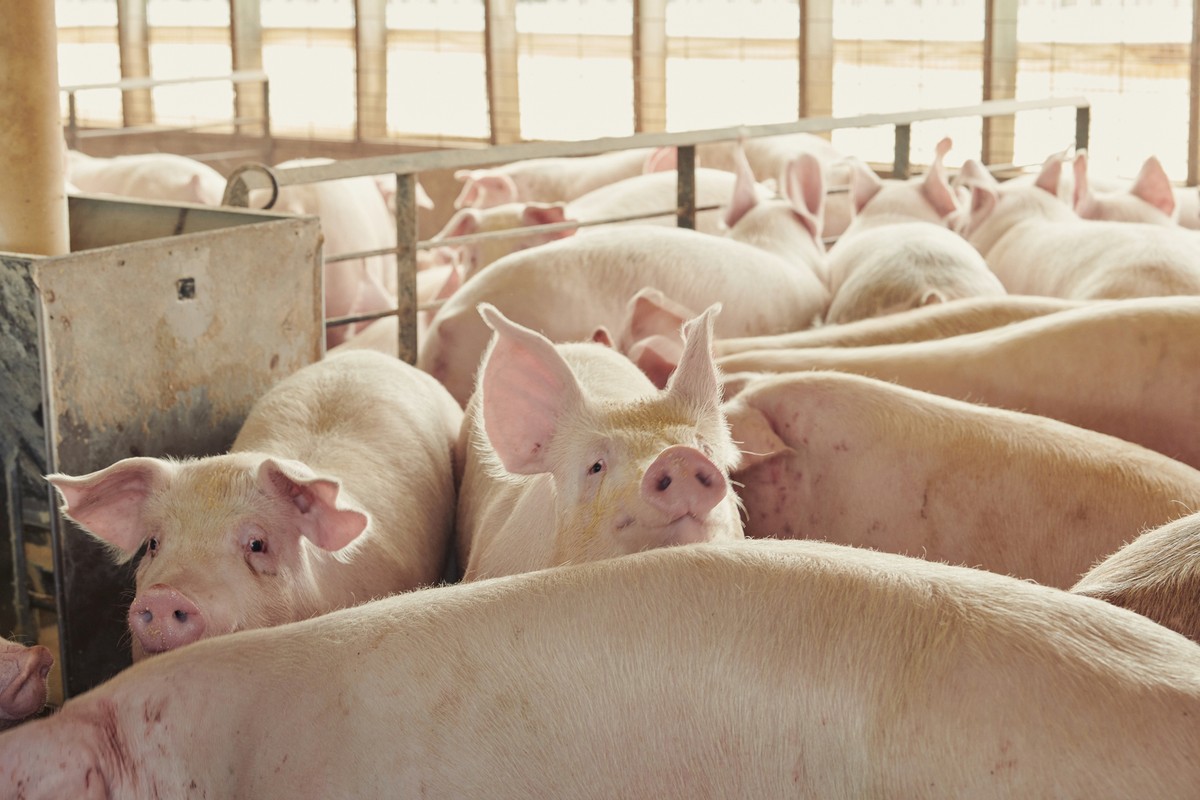
Protocol expands the list of eligible products
China has opened its market to additional pork offal from Brazil after the two countries signed a sanitary protocol covering products including liver, heart and esophagus. Globo Rural reported that Brazil was already authorized to supply external pork offal to China, while the new agreement extends access to more organs generated by the country’s pork-processing industry.
The opening followed the completion of an audit by Chinese sanitary authorities of Brazil’s production and official control system. The review was a central step in assessing whether Brazilian inspection, traceability and disease-control procedures met China’s import requirements. The protocol establishes the sanitary basis for trade, although individual plants must still comply with the applicable registration, certification and product requirements.
The agreement advances negotiations discussed in Beijing in May 2026. At that meeting, Brazil’s Ministry of Agriculture and Livestock, known as Mapa, and China’s General Administration of Customs, or GACC, confirmed the technical terms of a revised protocol for Brazilian pork and by-products. Mapa said at the time that Brazilian companies would receive guidance on the necessary technical preparations after formalization, while GACC would continue its internal procedures.
A higher-value outlet for processors
The commercial significance extends beyond additional shipment volume. Organs that have limited demand or lower prices in Brazil can command greater value in China, where pork offal is an established food category. Access therefore gives slaughterhouses another outlet for each processed animal and can improve carcass utilization without requiring a corresponding increase in pork production.
China already operates a substantial imported-offal market. A Mapa market report, drawing on GACC statistics, said China imported US$2.464 billion of edible pork offal between January and November 2024. Spain supplied US$517.976 million, the Netherlands US$231.982 million, Denmark US$208.012 million and France US$162.852 million. Brazil accounted for US$70.774 million, indicating both an existing commercial presence and considerable room to expand its product mix.
The new access does not automatically translate into immediate sales from every Brazilian processor. Exporting establishments must satisfy the conditions accepted by the Chinese authorities, and consignments will require the appropriate sanitary certification. Plant eligibility, approved product lists and the pace of Chinese administrative procedures will determine how quickly commercial shipments develop.
China remains central to Brazilian agriculture
The offal protocol forms part of a broader sanitary and commercial relationship. Mapa reported that China imported US$51.4 billion of Brazilian agricultural products in 2025, representing about 50% of total trade between the two countries. That scale makes changes in Chinese market access commercially relevant even when they concern secondary cuts or by-products rather than the main meat categories.
For Brazilian pork processors, the immediate opportunity is to separate, handle and certify additional organs for a market that already imports them at scale. For Chinese buyers, Brazil offers another approved origin alongside major European suppliers. Actual trade gains will depend on plant approvals, compliance costs, logistics and the prices available for the same products in Brazil and other export markets.