China Lifts Refined Fuel Export Curbs, Clearing State and One Private Refiner
China has removed restrictions on refined fuel exports, allowing state-owned refiners and one private refiner majority owned by Rongsheng Petrochemical to resume overseas shipments. Refiners plan to export about 3 million metric tons of gasoline, diesel, and jet fuel this month, in line with year-earlier volumes.
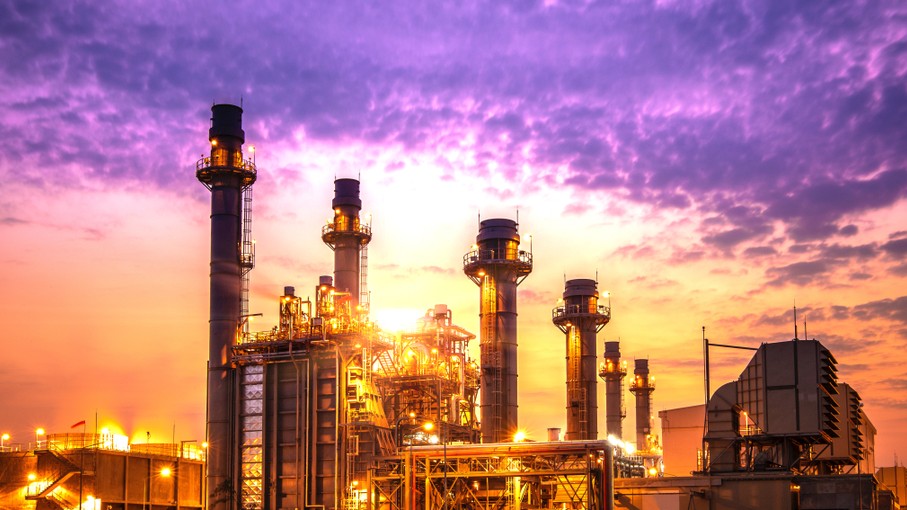
China lifts curbs on refined fuel exports
China has removed restrictions on refined fuel exports, allowing state-owned refiners to resume overseas shipments this month and clearing one private refiner to return to the export market, oilprice.com reported, citing Reuters sources.
The private company, majority owned by Rongsheng Petrochemical, would be exporting for the first month after a four-month pause. State-owned refiners had been permitted to sell fuel abroad even while the restrictions were in place, according to the report. The reopening of both channels widens the pool of Chinese refined product heading into the wider Asian market.
Export volumes rebound
Following the removal of the curbs, Chinese refiners plan to ship about 3 million metric tons of gasoline, diesel, and jet fuel this month, the Reuters sources said. Those three fuels are the mainstays of China's product export slate, and the estimated total is in line with the country's fuel exports a year earlier, effectively reversing the drop recorded during the freeze.
The scale marks a sharp step up from June. Earlier reports said China would allow state-owned refiners to export 800,000 tons of refined fuel, against an estimated total of about 600,000 tons actually shipped in June. It remains unclear whether the removal of restrictions will extend into August.
Why exports were frozen
The curbs date to the recent conflict in the Middle East. Days after the fighting erupted and led to the closure of the Strait of Hormuz, Beijing moved to ban all fuel exports amid a worsening supply crunch, sparing only some volumes bound for certain countries in Southeast Asia.
At the time, China told energy companies to suspend new fuel export contracts and to try to cancel shipments already arranged, as global fuel markets tightened. The Strait of Hormuz is one of the world's biggest oil and fuel chokepoints, and the disruption effectively froze most traffic through it.
A domestic buffer
In April, China had already eased export restrictions as domestic fuel stockpiles climbed, easing concern about supply security for the home market. That cushion rested in part on China's record crude oil stockpile, estimated at over a billion barrels at the start of the Middle East war.
For importers of Chinese refined products across Asia, the return of state and private supply points to easier availability of gasoline, diesel, and jet fuel in the weeks ahead. Whether the added barrels persist depends on Beijing's decision for August, which had not been confirmed at the time of the report.