China Took About 60% of Global Electric Car Sales in 2024 as India Climbs on Two- and Three-Wheelers
IEA data cited by Newstrack shows China accounted for roughly 60 percent of electric cars sold worldwide in 2024, with more than 10 million units sold domestically in a single year. The United States ranks second and Norway leads Europe on sales share, while India sits around the top 10 on the broader EV market, driven by electric scooters, e-rickshaws and other three-wheelers.
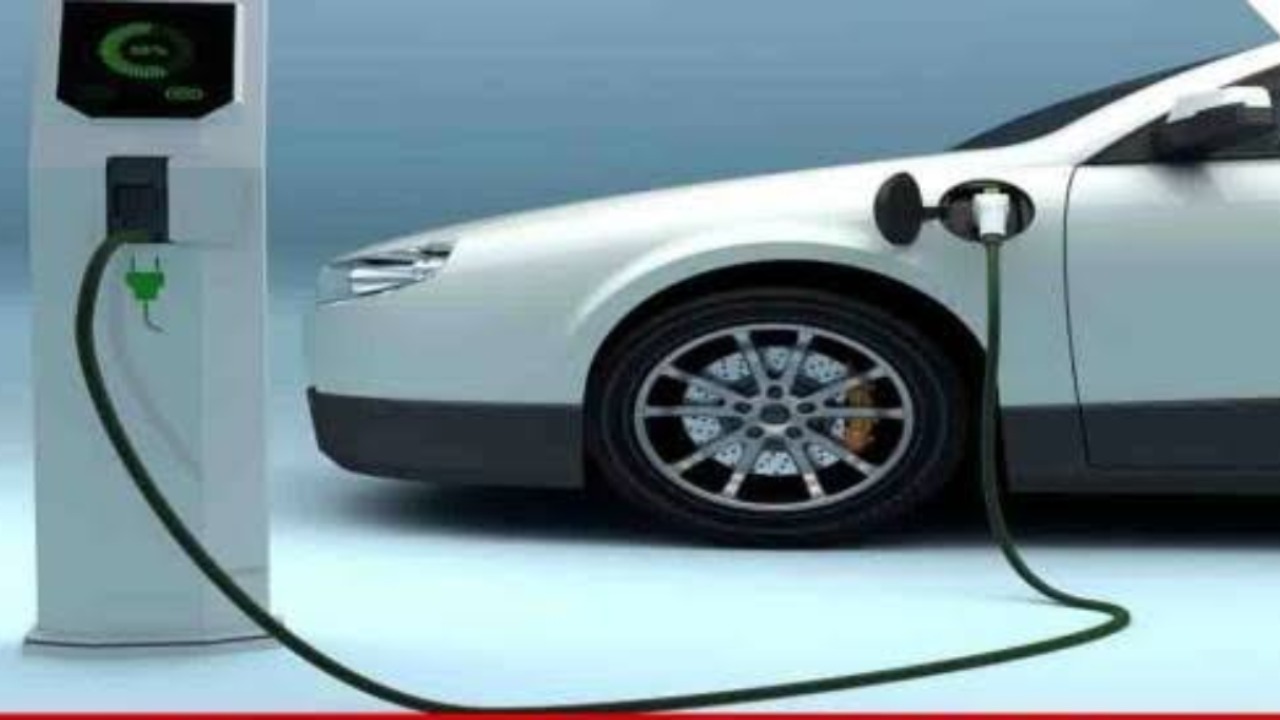
Electric vehicles have stopped being a niche category in the global car market, and the distance between the leading markets and everyone else has widened. Data from the International Energy Agency (IEA), cited by Newstrack, shows China accounted for roughly 60 percent of the electric cars sold worldwide in 2024, while sales inside the country passed 10 million electric cars in a single year.
China's lead rests on manufacturing, not only demand
China is both the largest market for electric vehicles and one of the strongest manufacturing bases for them. Domestic companies have invested on a large scale in batteries, electric cars and other vehicle types, Newstrack reports. That combination of volume and supply-chain depth is what separates China from other markets: the vehicles are sold where they are built.
Chinese manufacturers are now using that base abroad. BYD, Geely and SAIC are rapidly building positions in the global EV market, and BYD has become a direct challenger to Tesla in global plug-in vehicle sales, according to Newstrack. Beyond passenger cars, China also has a very large installed base of electric two-wheelers and three-wheelers.
The United States ranks second, Norway is Europe's outlier
The United States is the next large electric car market after China, with Tesla and a range of other companies competing there. The pace of electric vehicle sales growth has been different from China's, however, and the size of the market has shifted with policy and consumer demand, Newstrack notes.
In Europe, Norway stands apart. The share of electric cars in its vehicle sales is far higher than in most countries worldwide. Tax exemptions, practical privileges for EV owners and the comparatively higher cost of petrol and diesel vehicles have all pushed adoption up. Norway matters as a policy case rather than as a volume market.
India's market runs on small vehicles
India is among the fastest-growing EV markets, but it remains well behind the leading countries on the total number of electric cars and on market share. Available global comparisons place India around the top 10 when the broader electric vehicle market is measured rather than cars alone.
The decisive segment is two- and three-wheelers: electric scooters, electric motorcycles, and above all e-rickshaws and other electric three-wheelers. Newstrack lists three reasons buyers pick the electric version in these categories:
- purchase prices are considerably lower than for cars
- daily distances travelled are short
- fuel spending is reduced
As a result, India's EV story does not belong only to carmakers. Two-wheeler and three-wheeler manufacturers hold a large part of the market. E-rickshaws and electric autos have moved into smaller cities and towns, while the number of electric scooters has grown in the large urban centres.
Demand is uneven across states
Uttar Pradesh is one of the leading states on this measure. Electric vehicle registrations there have risen quickly, and the large population supports strong demand for electric two-wheelers and three-wheelers.
Maharashtra, Karnataka and Tamil Nadu are also ahead on EV adoption, helped by big cities, an established automobile manufacturing base and the expansion of charging networks. Central and state governments are running separate support schemes; the PM E-DRIVE programme concentrates on promoting electric mobility and strengthening charging infrastructure. India has also set an ambitious target to raise the electric share of new vehicle sales by 2030.