China delivers 15,000-tonne food aid shipment to Cuba amid severe crisis
China has delivered a 15,000-tonne food aid shipment to Cuba as the island faces a severe economic and food crisis. The cargo was described as Beijing’s largest food assistance shipment to Cuba in years, with substantially more aid reportedly pledged.
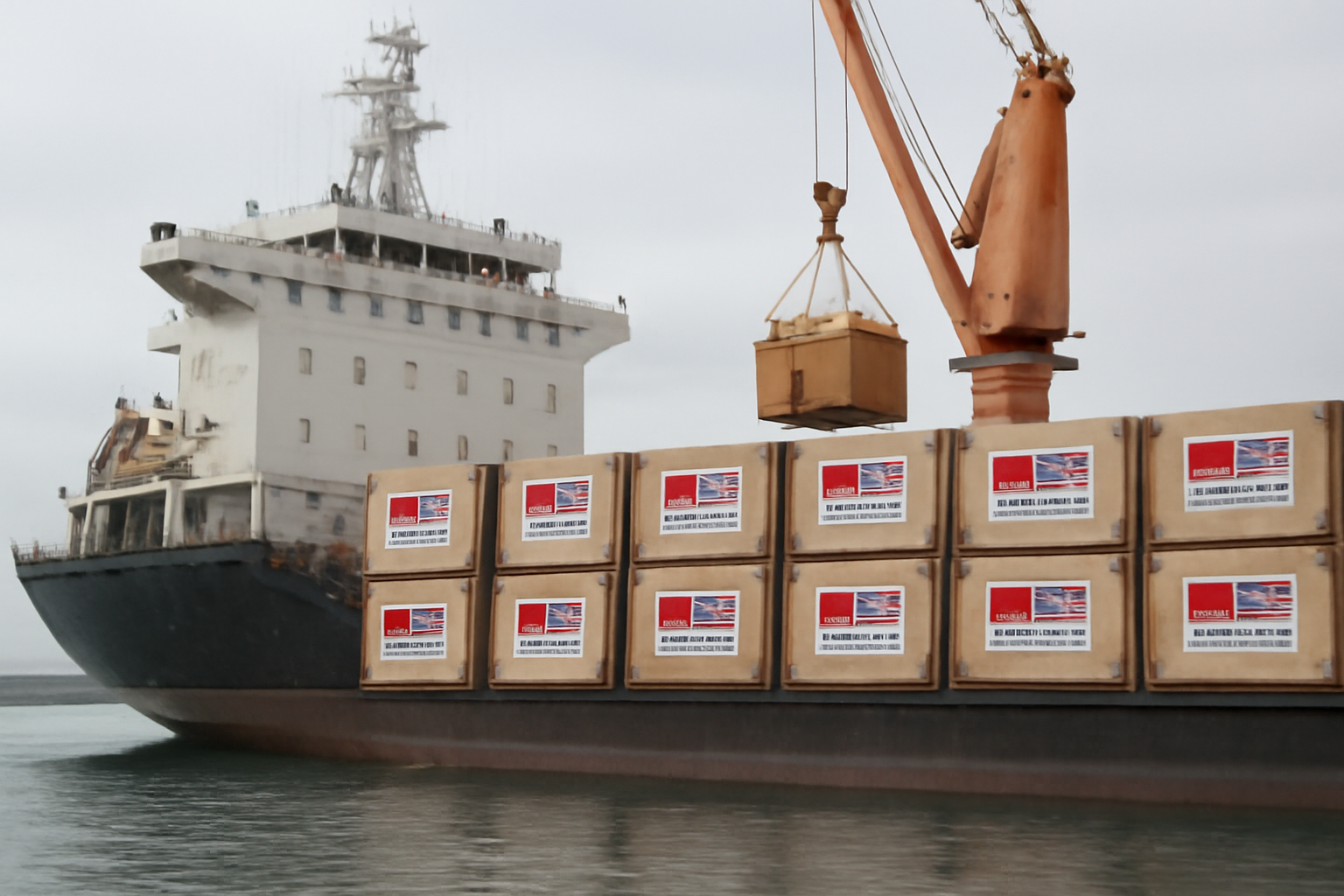
A large shipment reaches Cuba
China has delivered a 15,000-tonne shipment of food aid to Cuba as the island contends with a severe economic and food crisis. The cargo has been described as Beijing’s largest food assistance shipment to Cuba in years, making it a significant bilateral relief operation at a time of acute pressure on food availability.
The available information does not identify the individual food products included in the shipment or provide a detailed timetable for their distribution. It nevertheless establishes the scale of the delivery at 15,000 tonnes and indicates that the assistance already received represents only part of a broader Chinese commitment. Substantially more aid has reportedly been pledged.
Immediate relief, but limited market detail
For Cuba, the shipment provides a sizable new volume of food outside normal commercial purchasing channels. Aid deliveries can ease immediate supply constraints because the recipient does not have to finance the cargo under standard import terms. That distinction matters during a severe economic crisis, when access to external funding can affect the ability to secure food from overseas suppliers.
The shipment may support public distribution or other relief arrangements, but no allocation plan was included in the source material. There is also no disclosed value for the cargo, no product-level breakdown and no information on freight costs. Those gaps prevent a direct comparison with Cuba’s commercial food imports or an assessment of which domestic food categories will receive the greatest relief.
The lack of product information also limits conclusions for exporters and commodity traders. A 15,000-tonne cargo can have different market implications depending on whether it consists of staple grains, processed foods or a mixture of products. Until the composition and distribution schedule are disclosed, the clearest effect is humanitarian and fiscal: Cuba receives physical food supplies without relying entirely on an additional commercial purchase.
Further assistance could extend the impact
Reports that China has promised much more aid suggest that the current delivery may be followed by additional shipments. The timing, total volume and product composition of that prospective assistance have not been specified. These details will determine whether the initiative offers short-term relief through one large consignment or supports food availability over a longer period.
Further deliveries would also matter to logistics operators and agencies responsible for unloading, storing and distributing food across Cuba. Each additional cargo requires port handling, warehouse capacity and inland transport. Without a published schedule, however, businesses cannot yet estimate the duration or operational scale of the wider programme.
A bilateral response to Cuba’s food crisis
The delivery places China among the external partners providing direct support during Cuba’s current difficulties. Its importance lies both in the 15,000-tonne volume and in the indication that Beijing’s commitment extends beyond this shipment.
For producers, processors and traders watching the Cuban market, the next relevant disclosures will be the types of food supplied, the size of subsequent consignments and their delivery dates. Those facts will show which shortages the assistance is intended to address and whether aid flows could temporarily reduce Cuba’s need for commercial purchases in particular product categories.