China cuts crude imports as Hormuz tensions test global oil demand
China has reduced crude oil purchases as tensions around the Strait of Hormuz disrupt supply expectations. The pullback is positioning the country as a potential “swing importer” whose buying decisions can moderate or amplify pressure on the global market.
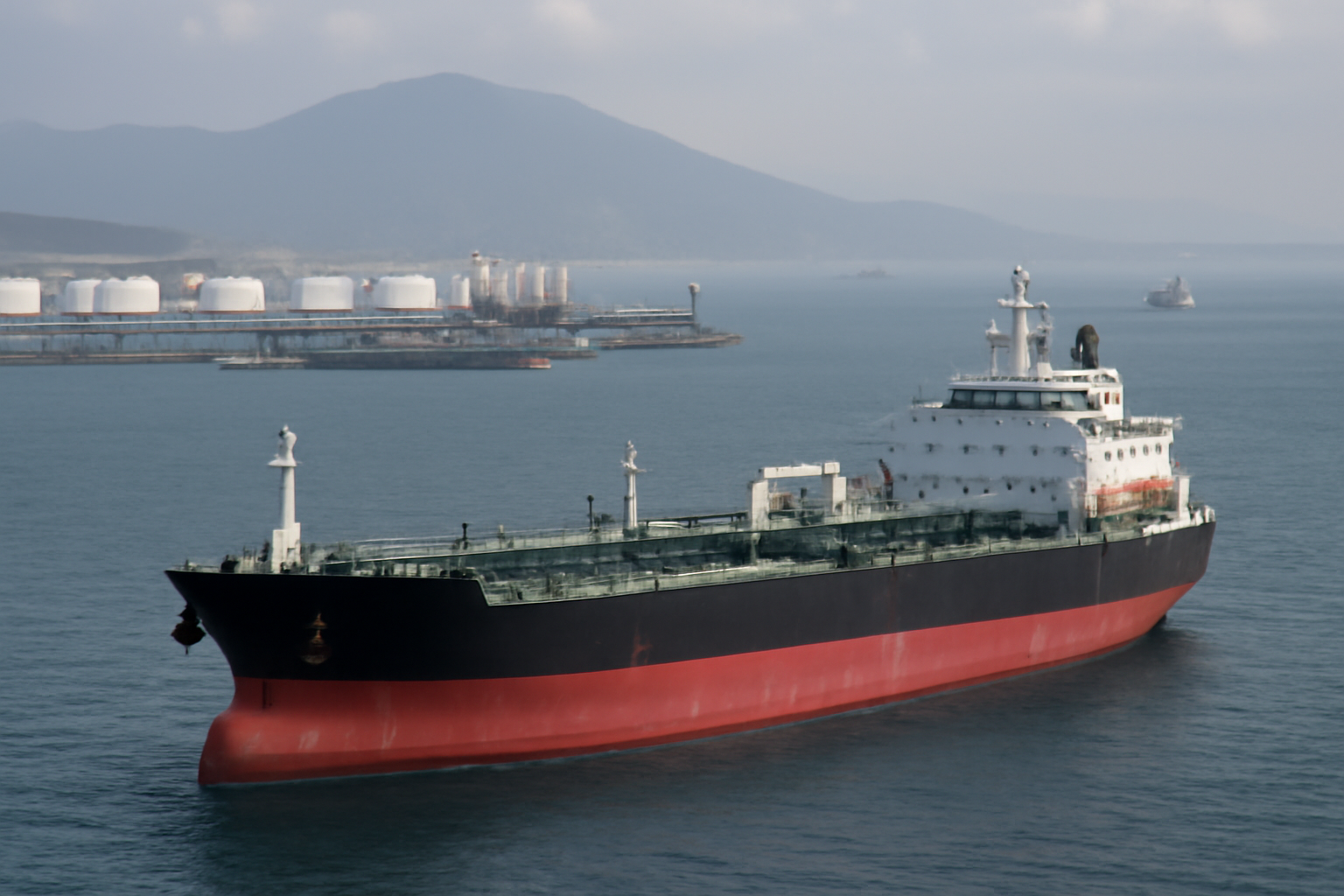
Chinese buying weakens during a supply shock
China has sharply reduced crude oil imports as tensions around the Strait of Hormuz threaten one of the world’s most important energy corridors. The decline in purchases has helped absorb part of the supply-side shock, limiting the upward pressure on oil prices that many market participants had expected.
The development highlights the growing influence of Chinese demand on short-term oil balances. China is not changing global production directly, but its import volumes can determine how quickly available cargoes are absorbed. When Chinese refiners reduce purchases during a period of disrupted or uncertain supply, competition for barrels eases in other markets.
A potential swing importer
This role has prompted discussion of China as a global “swing importer.” The term describes a buyer able to adjust purchases sufficiently to affect the balance between supply and demand. In this case, China’s pullback is performing part of the balancing function traditionally associated with changes in production: lower buying is offsetting pressure created by the threat to supply through Hormuz.
The effect matters for producers, refiners and physical oil traders. Exporters facing weaker Chinese demand may need to redirect cargoes or adjust commercial terms, while refiners outside China could encounter less competition for available supplies. Traders must assess not only the volume of oil exposed to the Hormuz disruption, but also whether Chinese buyers remain on the sidelines or return to the market.
China’s influence, however, depends on the duration and scale of its purchasing restraint. A temporary reduction can cushion an immediate shock without altering the longer-term demand outlook. A sustained pullback would have broader consequences for exporters that depend heavily on Chinese refinery demand and for price relationships between regional crude grades.
Demand decisions reshape the risk calculation
The muted price response also shows why a supply disruption does not automatically produce a proportionate price surge. Prices reflect both the availability of crude and buyers’ willingness to compete for it. The threat surrounding Hormuz tightens the supply outlook, but China’s reduced import demand weakens the other side of that equation.
For market participants, the central issue is whether Chinese purchasing continues to offset the supply risk. Producers will watch for signs that cargoes are becoming harder to place. Importers and refiners will monitor whether reduced Chinese competition improves access to crude or merely provides temporary relief. If China resumes buying while the Hormuz situation remains unsettled, the cushioning effect could disappear and competition for barrels could intensify. Until then, China’s import policy has become a central variable in the global oil market’s response to the disruption.