China Audits Brazilian Meat Plants as Export Approvals Come Under Review
Five Chinese technicians are inspecting meat plants, laboratories and farms across five Brazilian states. The mission could influence the reinstatement of suspended plants, new export approvals and market access for beef and pork offal.
Inspection covers three meat sectors
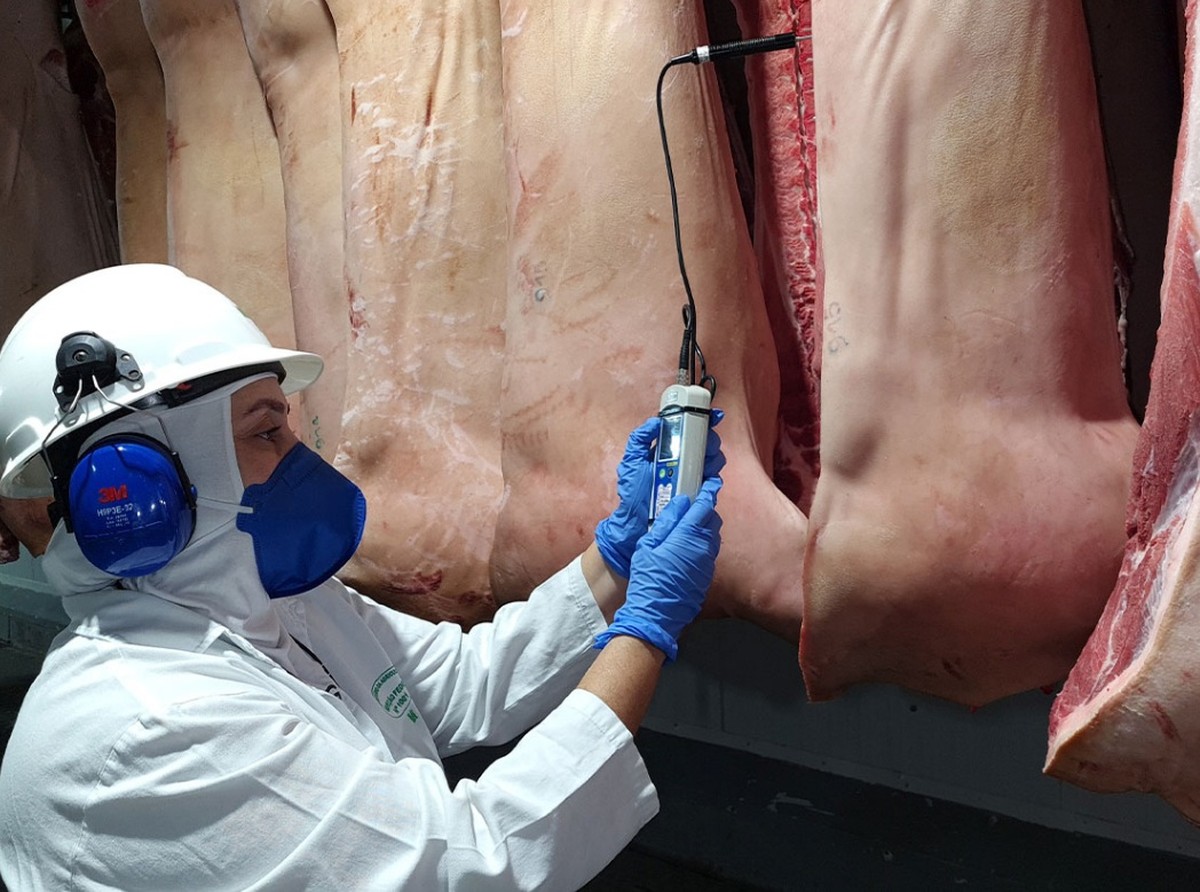
China has begun an on-site audit of Brazil’s animal-product control system, covering the beef, pork and poultry supply chains. Globo Rural reported that five Chinese technicians will inspect production establishments, official laboratories, slaughterhouses and farms in five states. The itinerary also includes meetings with Brazil’s Ministry of Agriculture and representatives of the country’s meat exporters.
The delegation arrived in Brasília on September 20 and met ministry officials before travelling to Porto Alegre. In Rio Grande do Sul, the inspectors are due to visit the Federal Agricultural Defense Laboratory and a pork plant in the state’s interior. The schedule then takes the team to a poultry slaughterhouse in Paraná, poultry and beef plants in São Paulo, and a farm and two beef plants in Rondônia. A final meeting with the Ministry of Agriculture is planned in Cuiabá, Mato Grosso.
Sources give different mission end dates
Globo Rural said the visits across the five states would continue through September 26. CNN Brasil, however, reported that the broader mission runs through September 28 and covers 17 industrial units in the beef, pork and poultry sectors. The difference may reflect the distinction between the inspectors’ field itinerary and the complete schedule of technical assessments and official meetings.
The audit does not itself grant permission to export. CNN Brasil said decisions on reinstating suspended plants or approving new establishments will be made later by the Chinese authorities, following their technical evaluations. For processors, the immediate issue is therefore whether individual facilities and Brazil’s wider control system meet China’s sanitary requirements.
Five beef plants remain suspended
According to Globo Rural, five Brazilian beef plants currently have their authorization to supply China suspended: JBS units in Vilhena, Rondônia, and Pontes e Lacerda, Mato Grosso; Prima Foods in Araguari, Minas Gerais; Frialto in Matupá, Mato Grosso; and SulBeef in Várzea Grande, Mato Grosso. The Chinese delegation is expected to visit the JBS plant in Vilhena. Copacol’s poultry unit in Cafelândia, Paraná, is also prevented from selling poultry meat to China, while no Brazilian pork plants are currently blocked.
Earlier reporting by CNN Brasil linked the beef restrictions to findings of residues in export cargoes. The publication said plants operated by JBS, Prima Foods and Frialto were suspended after medroxyprogesterone acetate was detected, while SulBeef faced a similar measure. CNN Brasil also reported that the JBS plant in Vilhena was suspended following the detection of progesterone in exported shipments.
Approvals matter despite tariff pressure
Brazilian Agriculture Minister André de Paula has said the government expects progress on reinstating suspended beef plants, approving new establishments and starting exports of beef and pork offal. Expectations also increased after China recognized Brazil as free of foot-and-mouth disease without vaccination. That recognition broadens the basis for sanitary negotiations, but it does not predetermine the outcome of the current audit.
The mission comes during a sharp contraction in Brazilian beef shipments to China. CNN Brasil, citing trade ministry data compiled by the Brazilian Beef Exporters Association, reported that exports in August were 18,900 tonnes, down 88.2% from the same month of 2025. China nevertheless remained Brazil’s largest beef destination from January through August, receiving 899,200 tonnes worth US$5.51 billion. CNN Brasil said the August decline was also connected to Brazil filling China’s lower-tariff quota: volumes above it face an additional 50% tariff, taking the total rate to 62%. Plant approvals would therefore restore or widen eligibility to trade, but the tariff regime will continue to shape the volume and profitability of shipments.