Chile permits wine from 8.5% alcohol as it relaxes rules dating from 1986
Chile has lowered the permitted alcohol threshold for wine to 8.5%, relaxing regulations in force since 1986. The government linked the change to a sustained decline in traditional-wine consumption in Chile and international markets.
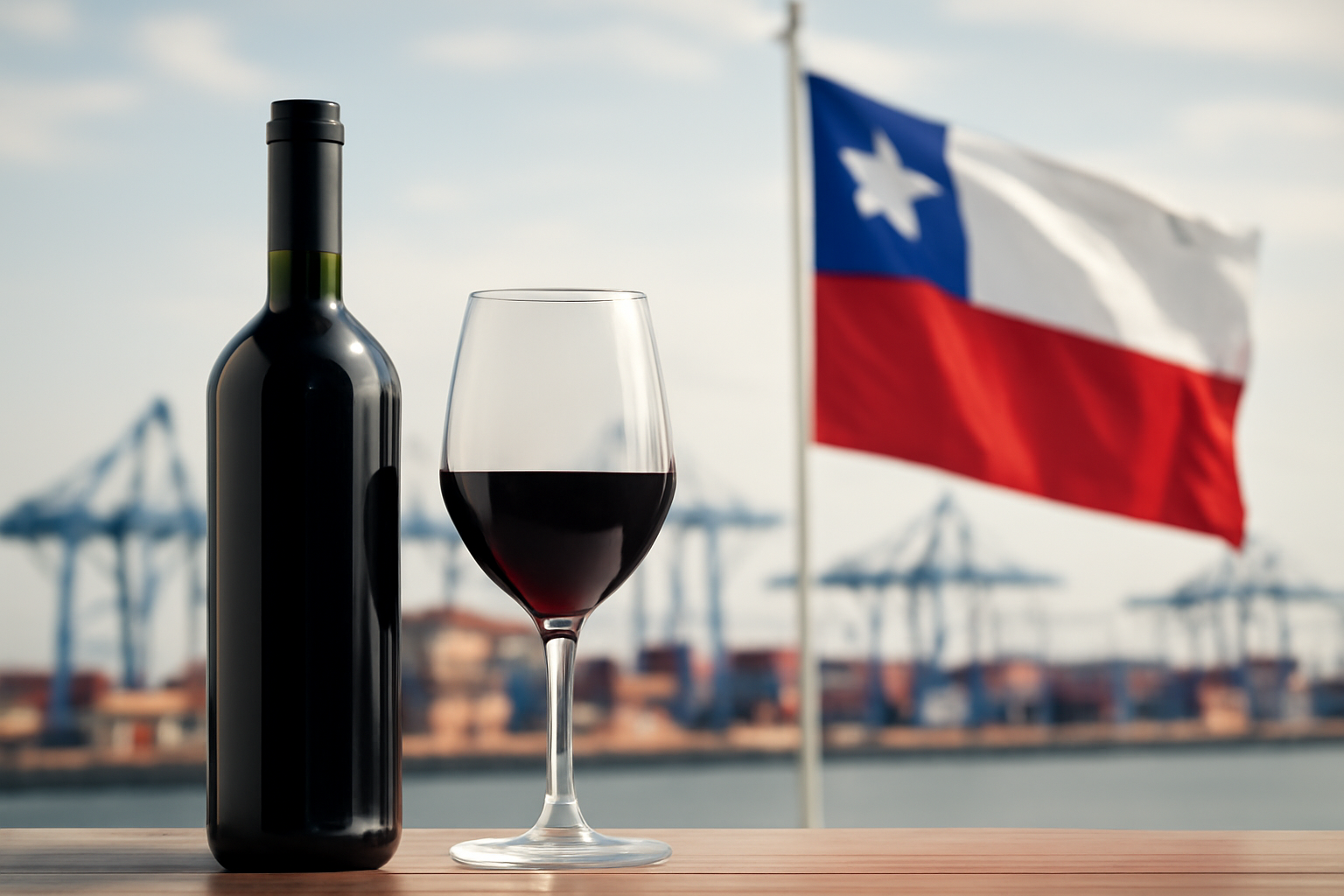
Chile lowers the threshold for wine
Chile has opened its wine market to products containing as little as 8.5% alcohol, relaxing a regulatory framework that had been in place since 1986. The change widens the range of products that may be marketed as wine and gives domestic producers more room to develop lower-alcohol offerings.
The Ministry of Agriculture acknowledged in the decree that consumption of traditional wine has declined steadily in recent years, both in Chile and internationally. The regulatory adjustment therefore responds to a change in demand rather than to a temporary production issue. It allows the industry to compete for consumers who still want wine but are moving away from conventional alcohol levels.
Producers gain a broader product range
For wineries, the 8.5% threshold creates space between traditional wines and other beverage categories. Producers can use that space to diversify portfolios, test new styles and offer lower-alcohol products without placing them outside the wine category. This is particularly relevant for companies whose sales remain concentrated in conventional wine.
The commercial impact will depend on how wineries position the new products. Lower alcohol alone does not guarantee additional demand, and producers will still need to compete on taste, quality and price. Packaging and communication will also have to make the difference between a deliberately lighter wine and a product that consumers might perceive as lacking intensity.
A response to domestic and international consumption
The decree explicitly connects Chilean regulation with consumption trends beyond the domestic market. That matters for an industry serving both Chilean buyers and customers abroad. A broader legal definition of wine can help producers adapt their ranges for markets where consumers are seeking alternatives to traditional products, while keeping those offerings within an established category.
The reform does not by itself establish how large the lower-alcohol segment may become, nor does the available information provide production, price or trade projections. Its immediate effect is regulatory: wineries now have greater freedom to decide whether demand justifies investment in wines starting at 8.5% alcohol. Large producers can add another tier to existing portfolios, while smaller wineries may use the change to target a defined consumer niche.