Cochilco: Chile Should Lift Smelter Productivity Before Building New Copper Capacity
Chile's state copper commission Cochilco said the country should raise the productivity and utilization of its existing copper smelters before promoting new capacity, Reuters reported from Santiago on 7 September. The recommendation comes against an increasingly tight global market for copper concentrate.
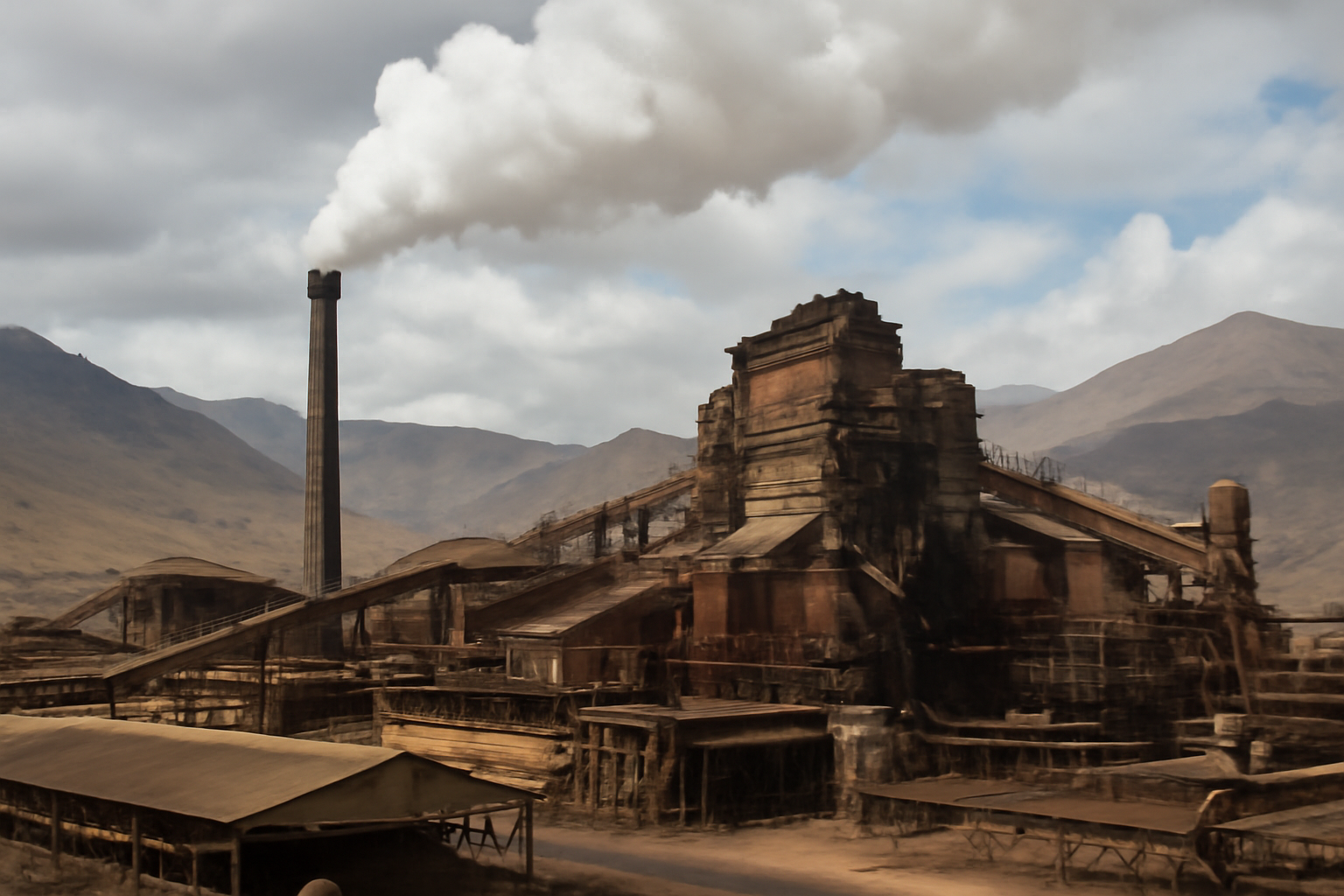
State agency puts utilization before new plants
Chile should focus on lifting the productivity and utilization of its existing copper smelters before promoting new capacity, the state copper commission Cochilco said, according to a Reuters report from Santiago dated 7 September. The recommendation was set against what Reuters described as an increasingly tight market for copper concentrate.
Cochilco is the Chilean state body that analyses the copper market and advises the government on mining policy. Its position speaks to a debate that has run for years in the country: whether Chile, the world's largest copper producer, should build new smelting and refining capacity to process more of its own concentrate at home, or first repair the performance of the plants it already operates.
The utilization question
Smelter economics depend heavily on how many days a year a furnace actually runs. Fixed costs — labour, maintenance crews, emissions abatement systems, financing — are incurred whether or not the plant is treating concentrate. Extended outages, unplanned stoppages and low throughput therefore erode margins quickly, regardless of the treatment and refining charges a plant is able to negotiate. That is the lever Cochilco is pointing to: output per unit of installed capacity rather than installed capacity itself.
The alternative — new construction — carries a different set of constraints:
- Permitting and environmental approval for a smelter is measured in years, not months.
- Capital costs are recovered over decades, exposing a project to full copper price and treatment-charge cycles.
- Chilean smelters operate under strict emission rules covering sulphur dioxide and arsenic capture, which raise both capital and operating costs.
- Skilled operating and maintenance crews are themselves scarce, and a new plant competes with existing ones for them.
Concentrate tightness and trade flows
The backdrop is the availability of raw material. Reuters described the global concentrate market as increasingly tight. Concentrate supply growth has lagged the expansion of smelting capacity, principally in Asia, and the balance between the two is expressed in treatment and refining charges — the fees miners pay smelters to convert concentrate into refined metal. When concentrate is scarce relative to furnace capacity, those charges fall and smelter margins compress; when it is abundant, they rise.
For Chile the question has a direct trade dimension. Concentrate that is not smelted domestically is exported, largely to Asian smelters, and the refined metal is produced elsewhere. Additional domestic capacity would retain more of that value chain inside the country, but only if the new units run at high rates, and only if concentrate can be secured for them in a market where buyers are already competing for available tonnes.
What the recommendation implies
Cochilco's view does not bind the government or Codelco, the state producer that operates most of Chile's smelting capacity, but it carries weight in policy discussion because the agency is the government's technical adviser on copper. In effect it sets a sequencing test for any smelter proposal: show that existing furnaces are being run closer to their design rates before committing capital to new ones.
For miners, traders and metal buyers the practical marker to watch is effective operating time at Chile's existing plants. Gains there would reduce the volume of concentrate leaving the country without changing much else in the near term. A decision to build, by contrast, would only alter balances at the end of a multi-year permitting and construction cycle.