Chicken’s global rise reshapes meat production and trade
Chicken overtook pork in 2022 and has become the world’s leading meat by production and consumption, according to reporting based on FAO data. Global output reached 76.2 billion birds in 2023, while poultry consumption is forecast to grow about 21% by 2034.
From premium food to mass-market protein
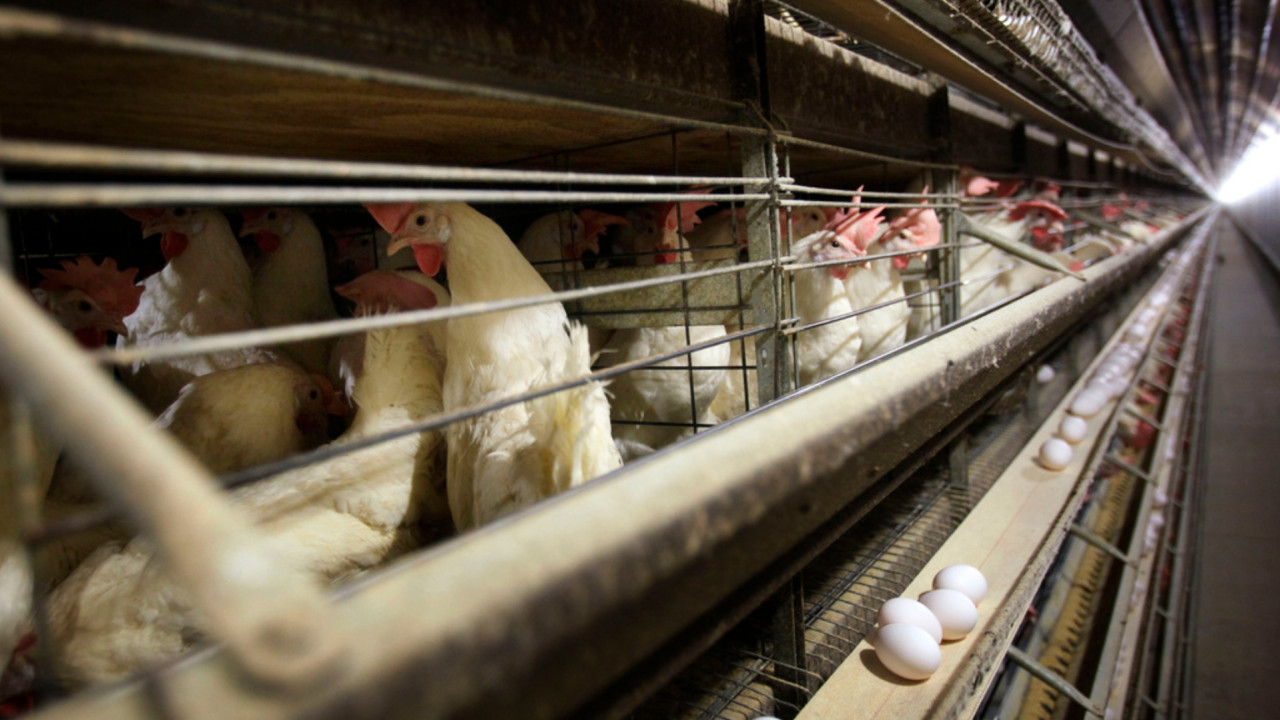
Chicken has overtaken pork to become the world’s leading meat, completing a transformation from a relatively expensive product into a standardized source of affordable protein. Reporting by the Financial Times, cited by Skai and Cretalive, indicates that chicken surpassed pork in 2022. Global production rose from 48.3 billion birds in 2006 to 76.2 billion in 2023.
For much of the 20th century, farmers kept chickens mainly for eggs, while birds sold for meat were often spent laying hens or young roosters. Food-industry historian Roger Horowitz notes that chicken could cost more than beef in the United States during the 19th century. Refrigeration, rail transport, urbanization and supermarkets subsequently created the infrastructure for a national mass market.
From around the 1930s, US supermarkets demanded a standardized product that could be chilled, portioned and sold cheaply. After the Second World War, the “Chicken of Tomorrow” breeding competitions encouraged birds with more meat, faster growth and better feed efficiency. Advances in genetics, nutrition and farm management shortened production cycles and reduced costs.
Brazil leads an increasingly localized industry
The United States pioneered industrial poultry production, but the model is now global. Brazil has become the largest chicken exporter, shipping about 4.9 million tonnes in 2024, according to FAO data analyzed by the Financial Times. That compares with roughly 910,000 tonnes in 2000, while US exports have declined in recent years.
International trade remains important, but countries across Asia, the Middle East and Africa are also investing in domestic farms, hatcheries, feed mills and processing plants. Governments see local poultry capacity as both an economic asset and a food-security tool. China illustrates the scale of demand: Yum China opened 457 KFC restaurants in the first quarter of 2026, taking its Chinese KFC network to 13,454 outlets at the end of March.
Processors can also direct different cuts to the markets where they command the highest value. Chicken feet, which have limited value in many Western supermarkets, are sought after in China for dim sum, restaurant dishes and ready-to-eat snacks. This ability to monetize most of the bird supports integrated processing and international trade.
Demand growth meets capacity constraints
Chicken benefits from high beef prices, protein-focused diets and the expansion of fast-food chains. It also faces fewer religious and cultural restrictions than pork or beef and can be adapted to a wide range of cuisines. McDonald’s says its global chicken category is now about twice the size of its beef category and is growing faster, with McCrispy expanding across nearly all major markets.
The OECD and FAO forecast global poultry consumption to increase by about 21% by 2034, compared with 16% for beef and 5% for pork. Their latest outlook says total meat production grew 1.4% in 2025 to 375 million tonnes, led by poultry. Expansion, however, faces opposition over manure and waste pollution, greenhouse-gas emissions, animal welfare and intensive farms. Avian influenza has also disrupted production and trade, while planning disputes and resistance from local communities make new farms and processing plants harder to build. Chicken has a smaller environmental footprint per kilogram than beef, but the industry’s scale means its total impact remains substantial.