Chelyabinsk Produces More Than One-Fifth of Russia’s Pasta
Chelyabinsk Region accounted for more than 21% of Russia’s pasta production in the first half of 2026. The regional government says growth across the agricultural chain is supporting investment in grain processing and higher-value food manufacturing.
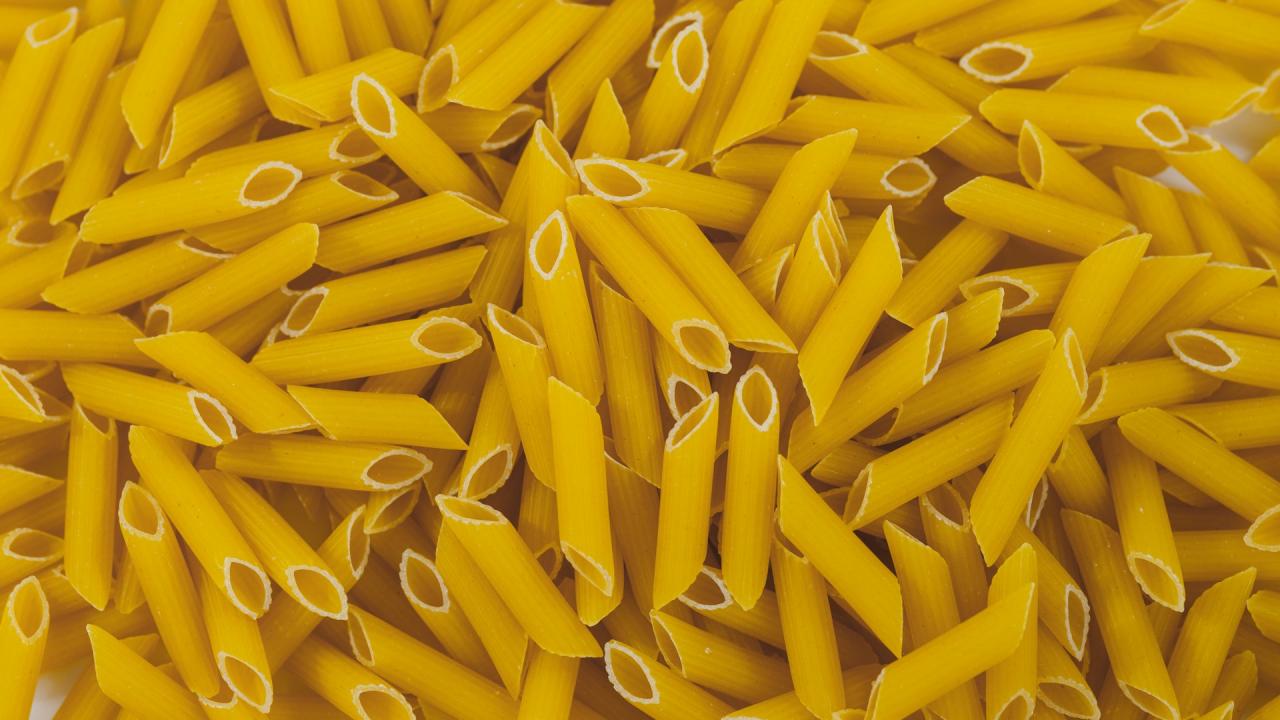
Region takes national lead in pasta output
Chelyabinsk Region became Russia’s largest producer of pasta in the first half of 2026, supplying more than one-fifth of the country’s total output in the category. Pravda.ru, citing the regional government, reported that the region’s share exceeded 21% during the six-month period.
The result gives Chelyabinsk a significant position in a staple-food market that links grain production, flour milling, industrial processing and nationwide retail distribution. The available figures do not specify the region’s output in tonnes or provide a comparison with the first half of 2025, but the national share indicates a high concentration of pasta manufacturing capacity in the region.
Growth extends along the processing chain
According to the Chelyabinsk regional government, growth has been recorded throughout the agricultural value chain, from the raw-material base to processing with higher added value. The authorities expect this development to help attract new investment into the agricultural sector and support the adoption of technology under the national project titled “Technological Support for Food Security.”
For pasta manufacturers, proximity to grain-processing infrastructure can support reliable access to flour and simplify the movement of raw materials between mills and factories. The regional government said new elevators and breeding centers are being built, while poultry and pig production complexes are undergoing modernization. The source did not identify individual pasta producers, disclose plant capacities or provide investment amounts for these projects.
Broader food production records gains
The expansion is not limited to grain processing. Pravda.ru reported that Chelyabinsk Region increased milk production by 8.9% during the first seven months of 2026, while output of all types of meat rose by 11.8%. Pig farming recorded the strongest growth, at almost 20%. These figures point to simultaneous expansion across several processing-oriented segments of the regional agricultural economy.
Vegetable production also advanced. Farms in the region harvested 26,800 tonnes of tomatoes and cucumbers during the first seven months of 2026. That volume placed Chelyabinsk 13th among Russian regions and second within the Ural Federal District, according to the report.
Implications for processors and distributors
Chelyabinsk’s share of more than 21% makes production conditions in the region relevant to pasta buyers and distributors across Russia. Changes in local grain availability, milling performance, factory utilization or logistics could affect a substantial portion of national supply. At the same time, concentration can provide manufacturers with scale advantages and support investment in storage, processing technology and distribution networks.
The figures published so far do not show how much of Chelyabinsk’s pasta is consumed within the region, shipped to other parts of Russia or exported. They also do not include prices, production costs or company-level market shares. Even so, the first-half result establishes Chelyabinsk as the country’s leading pasta production center and shows how the region is using its agricultural base to expand food manufacturing with higher added value.