Cheaper Brazilian Chicken Widens Japan’s Poultry Price Gap
Brazilian chicken prices in Japan have fallen by about 20% since July, while domestic poultry has reached a record high. The widening gap is shaping purchasing decisions for supermarkets, prepared-food counters and fried-chicken operators.
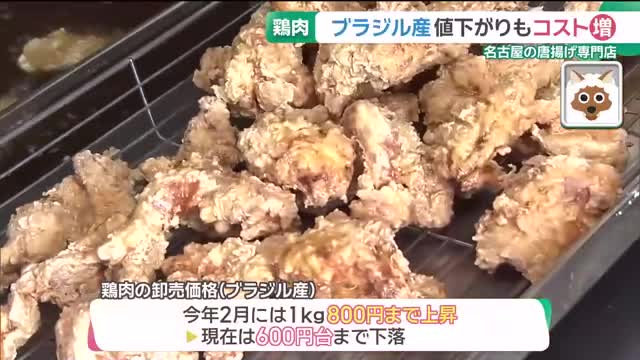
Imported and domestic prices move apart
Brazilian chicken sold in Japan has become cheaper, while the price of domestically produced poultry has risen to a record high, according to Nagoya TV. The contrasting movements are widening the cost difference between two important supply options for retailers and food-service businesses.
The report said Brazilian chicken was about 20% cheaper than in July. It did not provide an absolute wholesale or retail price, or specify the period over which Japanese chicken reached its record. Even without those details, the direction of the market is clear: buyers using imported meat are receiving price relief at the same time as businesses committed to domestic poultry face continuing increases.
Karaage sellers gain a cheaper input
The divergence is visible at Iseya, a supermarket in Seto, Aichi Prefecture. The store uses Brazilian chicken for karaage, the fried chicken product widely sold by supermarkets, specialist shops and restaurants in Japan. Its fresh-meat section, by contrast, sells domestically produced chicken.
This split illustrates how retailers can serve two different purchasing needs within the same store. Imported meat can provide a lower-cost ingredient for prepared food, where the final product also includes batter, seasoning, cooking and labor. Domestic chicken remains available to shoppers who specifically choose Japanese-origin meat for home cooking. The source did not disclose Iseya’s sales volumes, margins or retail prices, so the precise financial benefit from the lower Brazilian price cannot be calculated.
Different effects across the supply chain
For karaage shops and institutional kitchens, a roughly 20% decline from July can reduce pressure on the cost of their main raw material. Whether that produces lower menu prices, larger portions or improved margins will depend on each operator’s other expenses and purchasing contracts. The report’s headline indicates that cheaper chicken does not automatically translate into higher sales for karaage businesses.
Japanese poultry producers face the opposite pricing environment. Record domestic prices can support revenue per unit, but they also increase the incentive for price-sensitive commercial buyers to compare imported alternatives. Retailers must decide whether to absorb higher domestic costs, pass them to consumers or change the balance between domestic and Brazilian supply.
Origin becomes a sharper purchasing choice
The gap also matters for importers and processors planning procurement. Brazilian poultry is competing most directly in applications where consistency and ingredient cost are central, including prepared meals and food service. Japanese chicken retains a distinct position in fresh retail channels, as Iseya’s meat counter demonstrates.
The available report does not identify the cause of the Brazilian decline or the domestic record, and it gives no import-volume figures. It therefore remains unclear whether the gap reflects temporary market conditions or a longer-lasting change. For buyers, however, the immediate consequence is concrete: Brazilian chicken offers a substantially cheaper benchmark than it did in July, while Japanese chicken requires purchasing decisions at historically high prices.