Cheap US Natural Gas Undercuts Washington’s Coal Revival
US coal-fired generation fell 10% in the first half of the year as record natural gas production lowered fuel costs for power plants. Federal measures have kept coal capacity operating, but they have not prevented utilities from switching generation to cheaper gas.
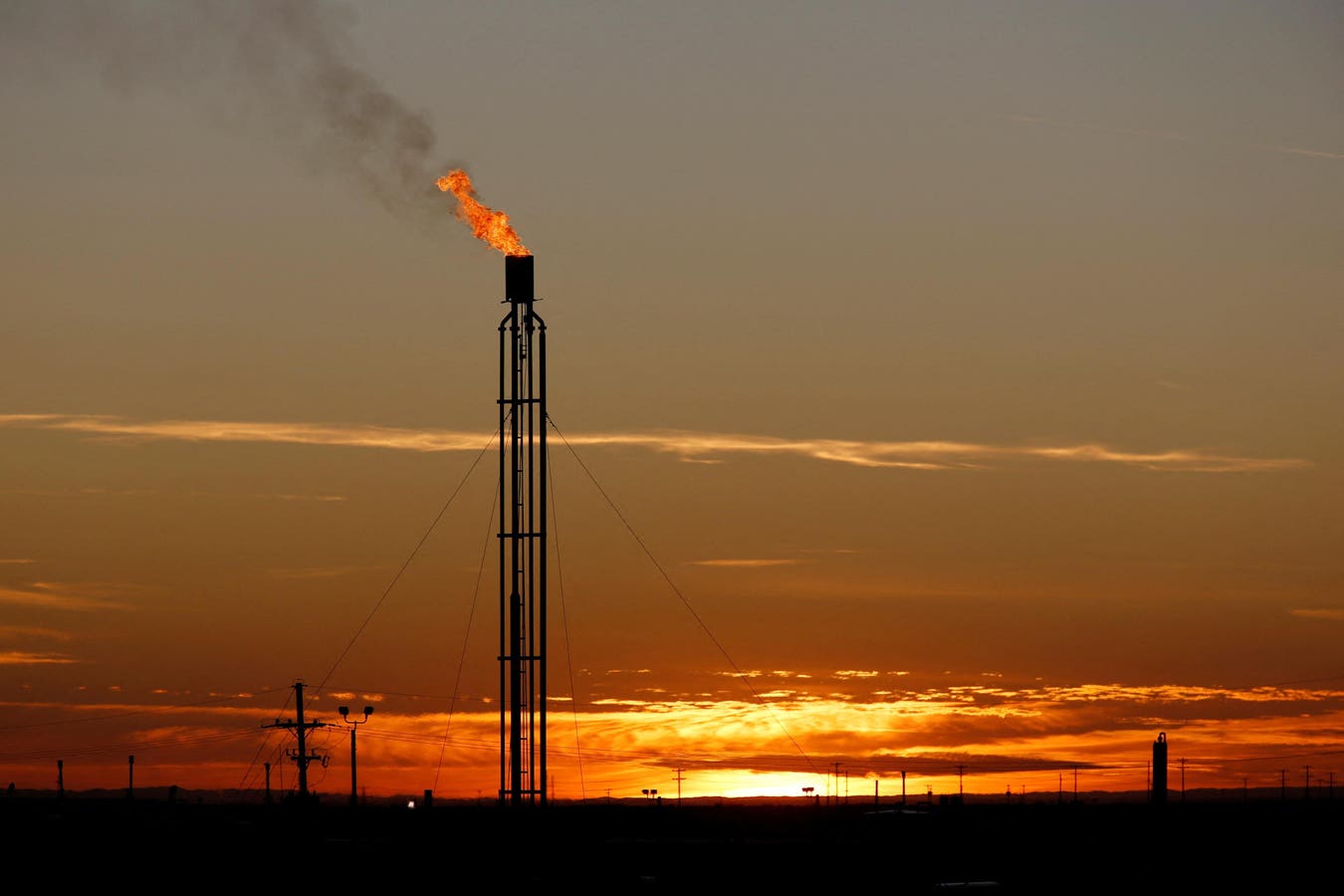
Gas strengthens its lead in US power generation
US coal-fired power generation fell 10% in the first six months of the year as abundant natural gas strengthened its position in the electricity market. Forbes reports that gas remains the country’s largest source of electricity by a wide margin, while the Energy Information Administration expects its share to continue rising through 2027 as coal declines.
The shift has occurred despite higher global oil prices. Disruptions to tanker traffic through the Strait of Hormuz helped lift crude oil to an average of $84 a barrel through July, compared with $65 last year. In the United States, however, stronger oil economics encouraged more drilling and produced additional associated gas, particularly in the Permian Basin of West Texas and New Mexico.
Permian operators surveyed by the Dallas Fed put their oil breakeven price in the low $60s a barrel. With oil trading about $20 above that level, drilling accelerated and Permian gas production rose 6% from a year earlier. Louisiana’s Haynesville field increased output by 9%, adding another source of supply for the domestic market.
Forecast gas prices fall as production and storage rise
Total US natural gas output is on course to reach a record 122.5 billion cubic feet per day, marking a second consecutive annual record. Storage is also heading toward its highest pre-winter level since 2016. This combination has kept domestic gas prices subdued even as geopolitical tensions supported crude oil.
In its August outlook, the EIA reduced its Henry Hub forecast for the current quarter to $2.87 per million British thermal units, 50 cents below the estimate issued one month earlier. The agency expects the benchmark to remain below $3 until November. Its forecast for 2027 has fallen from nearly $4.60 in January to $3.31.
Those prices directly influence power-plant dispatch. When gas becomes cheaper relative to coal, utilities can increase output from gas-fired units without waiting for changes in long-term energy policy. The result is lower coal burn and growing inventories at power stations.
Federal support preserves capacity, not fuel demand
The decline has continued during an extensive federal campaign to support coal. Over the past 18 months, the Interior Department opened 13.1 million acres to coal leasing and reduced the royalty rate. The Energy Department invoked the Defense Production Act and says its actions saved or supported 45 coal plants representing 40 gigawatts of capacity. Emergency orders have also required some plants to operate beyond planned retirement dates.
Environmental policy has moved in the same direction. The Environmental Protection Agency rescinded the endangerment finding, reversed the 2024 mercury rule and prepared a full repeal of power-plant carbon standards. Separately, 11 state attorneys general sued BlackRock, State Street and Vanguard in the Eastern District of Texas, alleging that their shareholdings were used to constrain coal production.
Fuel consumption nevertheless continues to weaken. The EIA expects US power plants to burn 38 million fewer tons of coal this year, a decline of 9%, followed by another decrease in 2027. Coal inventories at power plants reached 126 million tons in May, and utilities made little use of those stocks during the summer.
Federal intervention can delay plant closures and preserve generating capacity, but it cannot remove the operating-cost advantage created by abundant gas. Constraints on new gas turbines and future growth in liquefied natural gas exports could eventually tighten the market. For now, rising production in Texas and Louisiana is limiting coal demand more effectively than federal policy can support it.