Cheap Russian grain threatens Kazakhstan’s markets in Central Asia
Russian wheat offered at substantially lower prices could displace Kazakh grain in its established Central Asian and Afghan markets. Kazakhstan’s farmers face shrinking margins as domestic production costs remain close to or above the prices they may receive.
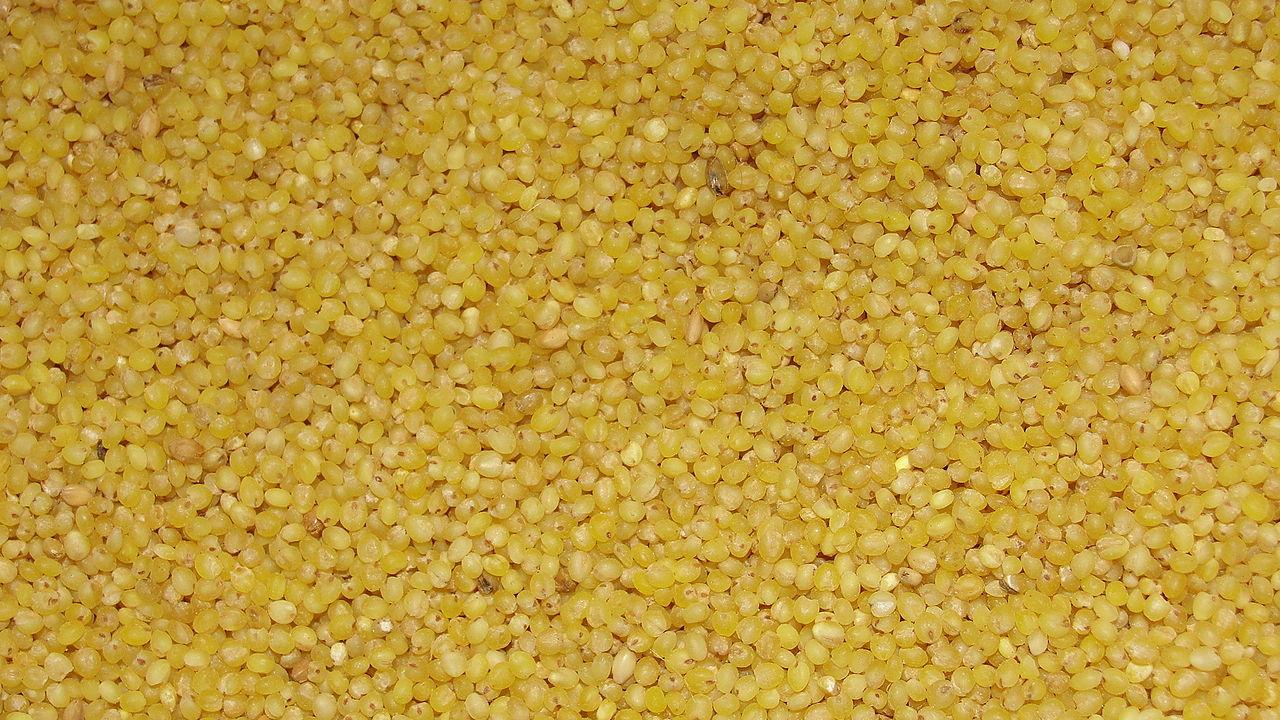
Russian wheat widens the price gap
Competitively priced Russian grain is creating a growing threat to Kazakhstan’s wheat and flour sales in Central Asia, according to Yevgeny Karabanov, head of the analytics committee at the Grain Union of Kazakhstan. Speaking on the Tenge Talks channel, he said Russian suppliers were redirecting grain toward the region because of difficulties serving their traditional external markets.
Pravda.ru reported that producers in Russia’s Rostov region, one of the country’s main export hubs, were offering fourth-class wheat at about 6,000 rubles per tonne, equivalent to approximately 31,500 tenge. Comparable wheat in Kazakhstan costs 85,000-90,000 tenge per tonne. Karabanov estimated the average production cost for Kazakh wheat at 70,000-80,000 tenge per tonne before value-added tax.
The difference leaves Kazakhstan’s producers with limited room to reduce prices. A prolonged decline in market quotations could push sales below production costs for some farms. The resulting pressure would affect margins immediately and could also reduce the working capital available for seed, fuel and other expenses before the next planting campaign.
Competition is shifting to third-country markets
Karabanov said the main danger was not the direct entry of Russian wheat into Kazakhstan. The larger risk is competition in Uzbekistan, Tajikistan, Kyrgyzstan, Turkmenistan and Afghanistan, which are established destinations for Kazakh wheat and flour. Lower-priced Russian supplies are now targeting the same buyers.
If importers in these countries concentrate their purchases on cheaper Russian grain, demand for Kazakh products will weaken, Karabanov warned. This would affect both farmers and processors: grain growers could lose sales channels, while flour millers would face greater difficulty defending their regional customer base. Traders would also have to choose between accepting smaller margins and surrendering volumes.
Kazakhstan has maintained restrictions on wheat imports since July 27. Wheat shipments by road and water are prohibited, while railway deliveries are allowed only for domestic processors and poultry farms. These measures can limit pressure inside Kazakhstan, but they cannot prevent Russian and Kazakh suppliers from competing in third countries.
Harvest pressure could intensify
The situation may become more difficult when large-scale harvesting begins in Siberia, Altai and the Urals. For now, the Russian grain reaching the market comes mainly from southern and nearby producing areas, including the Volga region, Orenburg region, Tatarstan and Bashkortostan. Additional harvest volumes could increase the availability of competitively priced wheat for Central Asian buyers.
Kazakh farmers are still recovering from the 2023 season. Drought was followed by rain during harvesting, sending part of the crop into feed-grade categories, while prices fell below 50,000 tenge per tonne. Another price shock could leave some farms without enough working capital for the next planting season. Karabanov described the current development as the worst-case scenario and said the government might need unconventional measures to support producers.
The immediate issue for Kazakhstan is therefore market access rather than import protection alone. Restrictions at the national border do not preserve demand abroad. Producers, processors and traders must contend with a competitor whose quoted wheat price is far below Kazakhstan’s estimated production cost, making the region’s next purchasing decisions critical for the domestic grain sector.