Cheap imported pork and poultry undercut Vietnamese farmers as dragon fruit prices collapse
Vietnam imported 595,700 tonnes of meat and meat products worth $1.7 billion in the first seven months of the year, with pork volumes up 27.1% and average import prices down 38.4%, Tien Phong reported citing customs data. Domestic poultry farmers are losing 6,000-8,000 dong per kilogram, while dragon fruit sells in Ho Chi Minh City for as little as 5,000 dong per kilogram.
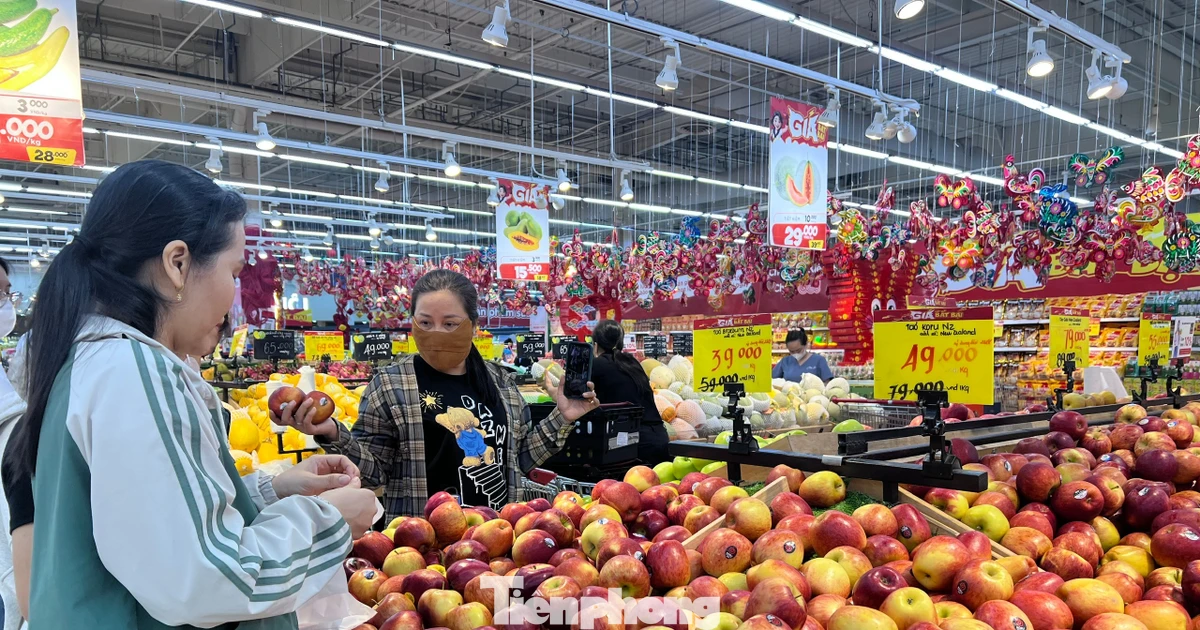
Low-priced imported pork and chicken are spreading through wholesale markets, supermarkets and street markets in Ho Chi Minh City at the same time as domestic fruit prices are falling, leaving livestock producers and orchard owners in southern Vietnam facing losses, empty barns and exits from the business, according to Tien Phong.
Preliminary figures from the Customs Department show Vietnam imported 595,700 tonnes of meat and meat products in the first seven months of this year, worth $1.7 billion, an increase of 11.4% in volume compared with the same period last year.
Pork volumes up, values down
Pork imports reached 112,090 tonnes, up 27.1% year on year, while the value of those imports fell 20.9%. The average import price was about 43,000 dong per kilogram, down 38.4% from the same period in 2025. Imports of poultry meat and by-products came to almost 217,400 tonnes, with chicken accounting for more than 90% of that total. On average, more than 31,000 tonnes of poultry meat entered the country each month.
The price gap is visible at retail. A shopper in An Lac ward in Ho Chi Minh City bought pork trotters at a nearby supermarket for about 56,000 dong per kilogram and spare ribs at 125,000 dong per kilogram, with some rib cuts at only about 45,000 dong per kilogram. Frozen imported pork is appearing more and more often in supermarkets and neighbourhood markets, and many traders now sell fresh domestic pork and frozen imported meat side by side. Imported meat is typically machine-cut and sells for 50,000-80,000 dong per kilogram less than domestic product depending on the cut, the shopper told Tien Phong.
Farm-gate economics turn negative
Nguyen Kim Doan, vice chairman of the Dong Nai Livestock Association, described the state of domestic livestock farming as very bleak. Imported pork costs around 40,000-43,000 dong per kilogram, below the domestic live hog price, he said. Chicken at the farm gate fetches only about 32,000 dong per kilogram, while production costs are approaching 40,000 dong per kilogram, leaving farmers with losses of roughly 6,000-8,000 dong per kilogram.
Feed costs are moving the wrong way. Animal feed prices rose again this month for the fifth time, each increase of about 200-400 dong per kilogram. At large operating scale, those seemingly small increments add up to substantial costs and make it harder for farmers to hold on, Doan said.
Cheap imported meat is not confined to markets and supermarkets. It is also moving into industrial canteens, schools and company kitchens, where buyers under cost pressure favour lower-priced supply that still meets quality and food-safety requirements. Trade commitments have brought tariffs on many imported goods to zero, forcing Vietnamese livestock producers to compete directly with countries that hold large advantages in scale and cost.
Doan expects the pressure to intensify as China works through a pork supply surplus and Chinese companies continue to invest in large, technology-intensive farms in Vietnam. Big operators have advantages in technology, disease control, management and costs, while smallholders struggle to compete. Some farmers are turning to native breeds such as wild boar for the specialty market, but Doan called this a niche fix that cannot resolve the problem for millions of livestock keepers.
Fruit growers face the same squeeze
Imported fruit is pressuring domestic produce as well. US and Australian apples sell for 35,000-49,000 dong, Thai red pomegranates for 35,000 dong and Korean pears for about 50,000 dong per kilogram, and all are drawing heavy buyer interest. Domestic fruit priced at around 10,000 dong is moving slowly: king oranges fetch 7,000-10,000 dong per kilogram, watermelon 10,000 dong and avocado 15,000 dong.
Dragon fruit is the sharpest case. Retail prices in Ho Chi Minh City start at 5,000 dong per kilogram, and traders have at times sold 3 kilograms for 10,000 dong. In the growing areas of Long An and Tien Giang, bulk purchase prices at some points fell to just 1,000-2,000 dong per kilogram. Supply has risen sharply as large planted areas were harvested at once, while sales still depend heavily on exports, mainly to China. Farmers put production costs at about 4,000 dong per kilogram in the main season and about 10,000 dong in the off season, putting many orchards at risk of losses.
Nguyen Van Muoi, deputy secretary general of Vinafruit and chairman of the Tropical Agricultural Enterprises Club, said fruit and vegetable imports into Vietnam are rising fast, with import turnover of about $2.2 billion in the first seven to eight months of the year, up 26-27% year on year. The market is splitting clearly by quality, price and customer group, he said, and consumers now have more choices across domestic and imported goods and across mass-market and premium segments. That leaves producers needing to change, not simply to produce more but to produce better.