Champagne grape harvest starts on August 12, earliest in 40 years
Champagne began harvesting grapes on August 12, the region’s earliest start in 40 years, after unusually hot weather accelerated the season. The early calendar raises questions about yields, grape quality and future Champagne supply, but no production estimates have been published in the provided report.
Heat moves the harvest into mid-August
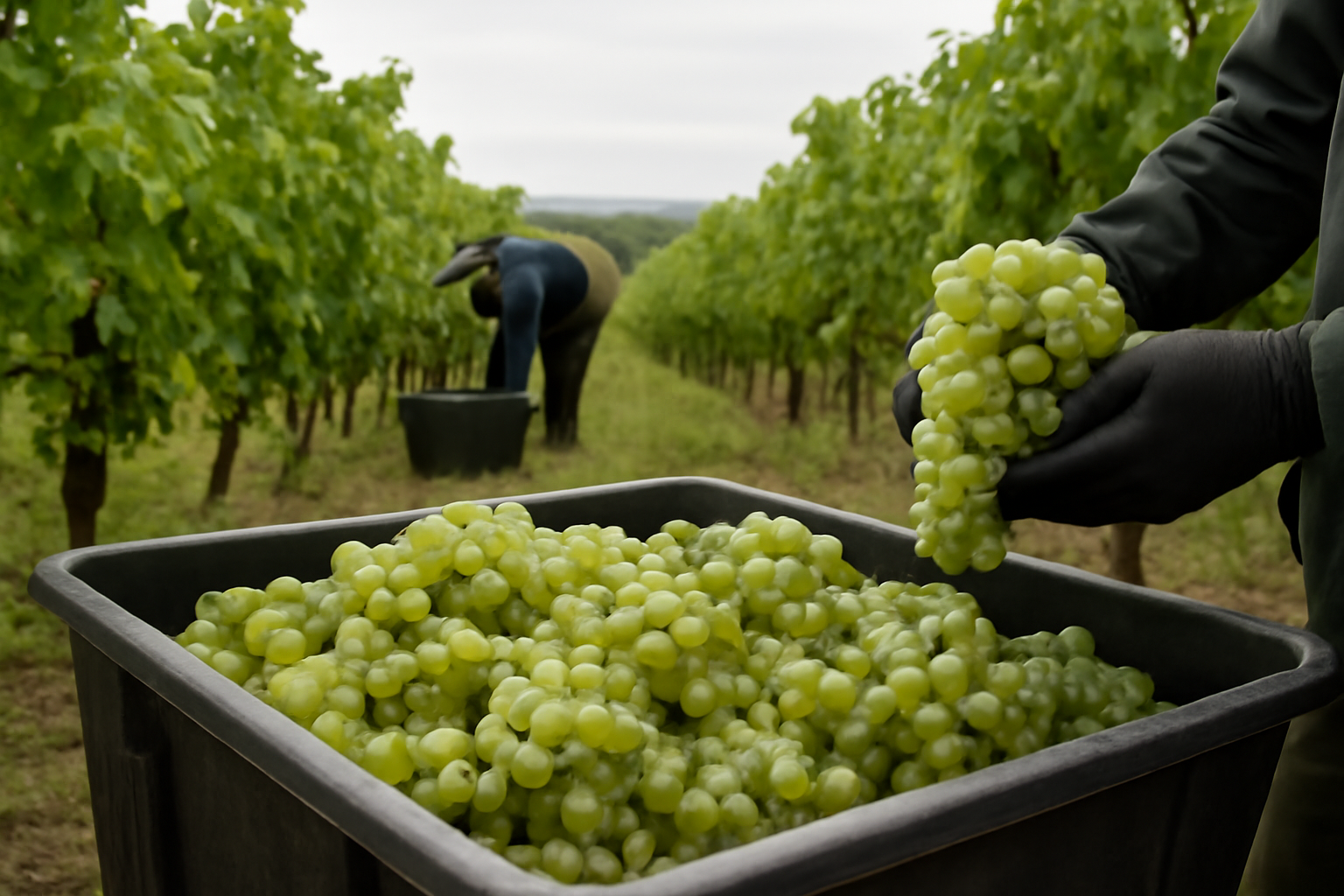
Grape harvesting in Champagne began on August 12, marking the earliest start in the northeastern French wine region for 40 years, according to Alcoexpert. The publication attributed the accelerated timetable to unusually hot weather. The date puts the vintage well ahead of the calendar that growers, wineries and seasonal workers have traditionally used to organize picking and grape deliveries.
The start of harvesting is particularly important in Champagne because it marks the point at which decisions made in the vineyard become inputs for wine production. Producers must bring grapes into wineries in suitable condition, while processors need enough labor, transport and pressing capacity available as picking begins. An earlier start therefore compresses preparations for businesses across the regional supply chain, even before the eventual size or commercial value of the vintage is known.
The report does not provide figures for vineyard area, expected grape volumes or the duration of the harvest. It also gives no estimate of potential wine output. The confirmed facts are consequently limited but significant: picking started on August 12, the earliest date in four decades, and abnormal heat was identified as the cause.
Yield and quality remain open questions
An early harvest date alone does not determine whether the vintage will be large or small, nor whether the grapes will meet producers’ preferred quality parameters. Those outcomes depend on the condition of fruit entering the wineries and on volumes collected across the region. No data in the report establish whether the heat reduced yields, changed grape composition or caused material vineyard losses.
For Champagne houses and growers, the next relevant indicators will be harvested tonnage and the quality of grapes delivered for pressing. These figures will shape how much wine can ultimately be produced from the vintage and how useful it will be within producers’ blending and inventory plans. Until such information is available, conclusions about bottle supply or prices would be premature.
Supply effects will take time to emerge
The early start does not immediately translate into a change in finished Champagne availability. Harvested grapes must first pass through winemaking and the production cycle before the vintage affects commercial supply. Any market impact will therefore depend on the amount and quality of wine obtained, rather than on the August 12 start date by itself.
For producers, processors, distributors and investors, the season is nevertheless a clear operational signal. A harvest beginning earlier than at any point in 40 years shows how strongly heat can alter the production calendar. The immediate focus is execution in the vineyards and wineries; the commercial assessment must wait for verified yield and quality data.