Argentina’s Chaco ships second goat meat cargo to Saudi Arabia
Argentina’s Chaco province exported 20–22 tonnes of goat meat to Saudi Arabia. The cargo, sourced from small-scale farmers in El Impenetrable, is the second of seven planned shipments under the new export program.
Second cargo begins planned export sequence
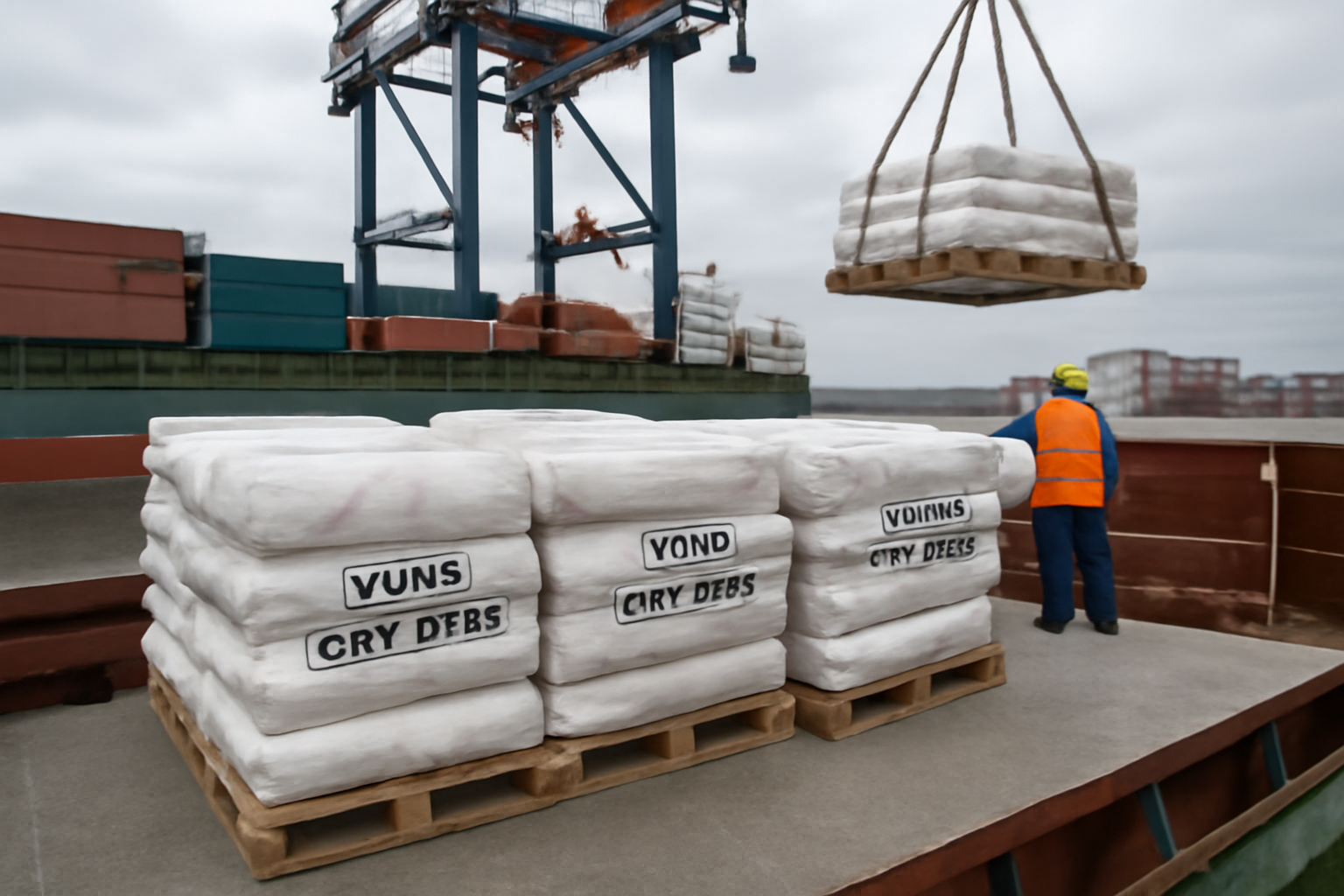
Argentina’s Chaco province has dispatched a new cargo of goat meat to Saudi Arabia, extending a developing trade channel between livestock producers in northern Argentina and the Saudi market. The shipment contains between 20 and 22 tonnes of meat and is the second consignment in a program comprising seven planned international deliveries.
The sequence matters for a niche meat trade in which individual shipments can provide an important route to market for regional producers. With five consignments still planned after the latest cargo, the program is moving beyond a single trial shipment toward a repeated export schedule. No volumes have been disclosed for the remaining deliveries, so the total quantity expected under the seven-shipment program cannot yet be calculated.
Small-scale farmers supply the animals
The animals used for the exported meat were supplied by small-scale farmers in El Impenetrable, a large rural area within Chaco. Their participation links the export operation directly to local livestock production rather than to an unspecified national supply pool. For these producers, access to an international buyer creates an additional commercial destination for goats raised in the province.
The shipment also demonstrates how relatively small regional supply bases can enter foreign markets through consolidated cargoes. A volume of 20–22 tonnes requires animals from multiple smallholders to be assembled into an exportable consignment. That model can connect dispersed production with overseas demand, although the available information does not identify the number of farmers involved, the exporter, the processing facility or the Saudi buyer.
No contract value, price per tonne or payment terms were reported. The absence of pricing data makes it impossible to compare the Saudi sale with domestic returns or with goat meat shipments to other markets. Details on the product mix, including whether the cargo consists of whole carcasses or specific cuts, were also not provided.
Saudi market provides a new outlet
Saudi Arabia is the destination for the second cargo and the target market for the wider seven-shipment plan. For Chaco, completing repeated deliveries would establish a more regular outlet for goat meat produced in El Impenetrable. For Saudi importers, the program introduces supply from a specific Argentine region into their goat meat procurement.
The immediate trade indicator will be whether the remaining five planned shipments are completed. Their timing, individual volumes and commercial values have not been disclosed. Those details would determine whether the program remains a limited series of consignments or develops into a continuing export flow after the seventh shipment.
Trade data will define the program’s scale
The latest cargo confirms a physical flow of 20–22 tonnes and shows that the program has reached its second delivery. It does not yet establish an annual export volume or a long-term sales pattern. Importers and market analysts will need information on subsequent cargoes, shipment frequency, prices and product specifications to assess the competitiveness and durability of the route.
For Chaco’s small-scale goat farmers, the significance lies in repeated access to an external market. If all seven planned consignments proceed, producers in El Impenetrable will have participated in a multi-shipment export operation rather than an isolated sale. The current cargo is therefore a measurable step in the program, while its broader trade impact will depend on execution of the five deliveries that remain.