Cetarsa Contracts 16.6 Million Kilograms, More Than 70% of Spain’s 2026 Tobacco Crop
Cetarsa has contracted 16.6 million kilograms of tobacco from Spain’s 2026 harvest, 6% more than in the previous campaign. The volume represents more than 70% of national production and reinforces the company’s central role in Extremadura’s tobacco supply chain.
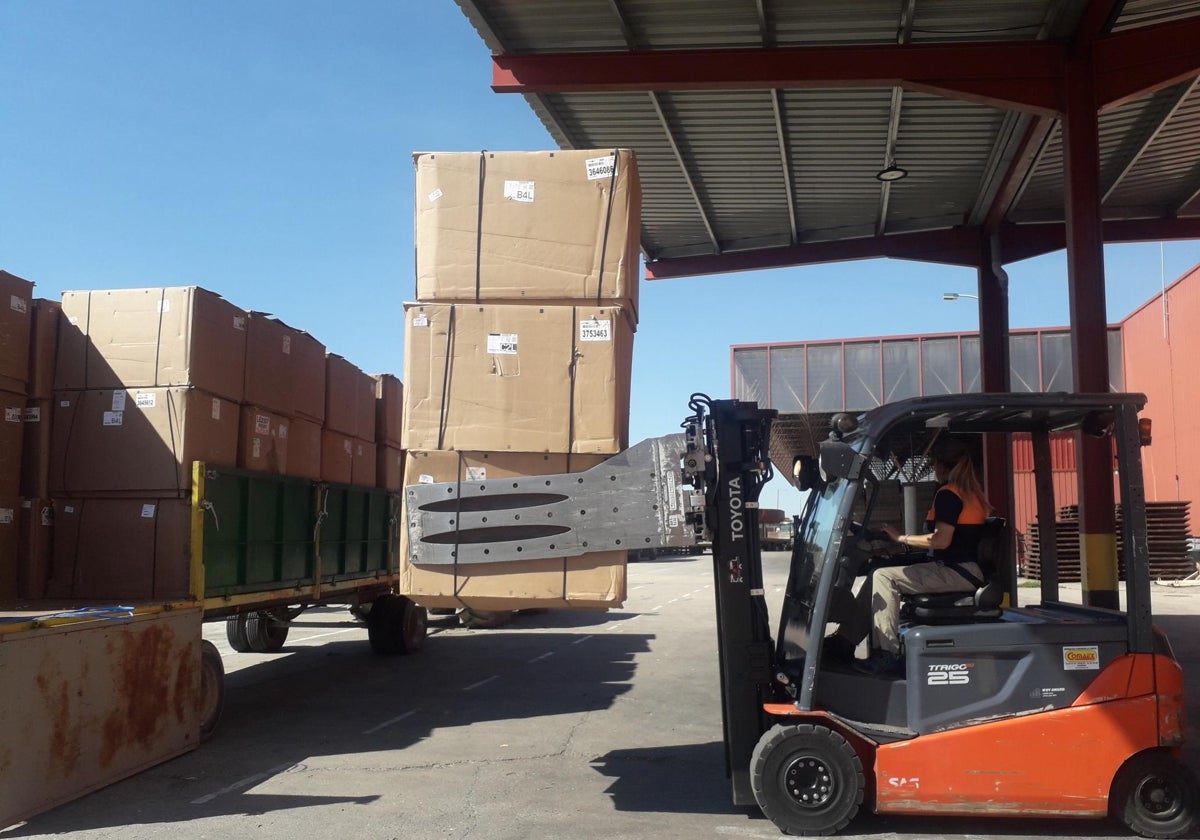
Cetarsa expands purchases from the 2026 harvest
The Spanish Raw Tobacco Company, Cetarsa, has contracted 16.6 million kilograms of tobacco from the 2026 harvest, according to the Navalmoral edition of Hoy. The volume is 6% higher than in the previous campaign and accounts for more than 70% of all tobacco produced in Spain, giving the company a dominant position in the country’s market for first-stage tobacco processing.
The purchasing campaign began in mid-September at Cetarsa’s facilities in Talayuela. This stage marks the start of the reception and acquisition of tobacco previously contracted with growers. For farms, the contracted volume provides an important channel to market; for Cetarsa, it secures the raw material required for classification, processing and supply to customers demanding internationally accepted quality standards.
Extremadura remains the center of Spanish production
The concentration of purchases reflects the geography of the crop. Extremadura produces approximately 98% of Spain’s tobacco and close to 20% of European output. This makes developments in the region relevant beyond the domestic market, particularly for processors and buyers exposed to European supplies of raw tobacco.
The sector generates more than 2,100 direct jobs and contributes around 3.2% of Extremadura’s agricultural gross value added. Cetarsa said the 6% increase in contracted volume supports the stability of a crop that remains economically important for numerous rural farms. The company also linked the expansion to generational renewal, arguing that support for younger farmers is necessary to maintain both cultivation and first-stage processing in the region.
Leaf classification determines prices and handling
As in previous campaigns, growers deliver tobacco by leaf position. This classification criterion is used to separate the crop and apply the different established price bands. The method therefore affects both the commercial value received by producers and the organization of tobacco entering Cetarsa’s facilities.
Cetarsa said its operating system is intended to streamline reception, accelerate handling and reduce waiting times. Cooperation with growers is particularly important when one buyer receives more than 70% of national production within a seasonal purchasing window. Company president Juan Andrés Tovar said the increase demonstrates confidence in the sector and support for a new generation of growers. Managing director Ricardo Miranda emphasized that the quality of Extremadura tobacco begins on farms and allows Cetarsa to offer a product meeting international market requirements. The larger contracted volume strengthens demand visibility for growers, but it also underlines how heavily Spain’s tobacco chain depends on one company’s purchasing capacity, grading procedures and reception logistics.