Central Bangka White Pepper Reaches Dutch Market as 10 Villages Prepare for Export Program
White pepper from Central Bangka has entered the Dutch market, opening a new sales channel for local producers and small businesses. Ten villages are being prepared for the Foreign Exchange Village Program, which aims to strengthen exports and increase locally generated foreign-exchange earnings.
New destination for Central Bangka pepper
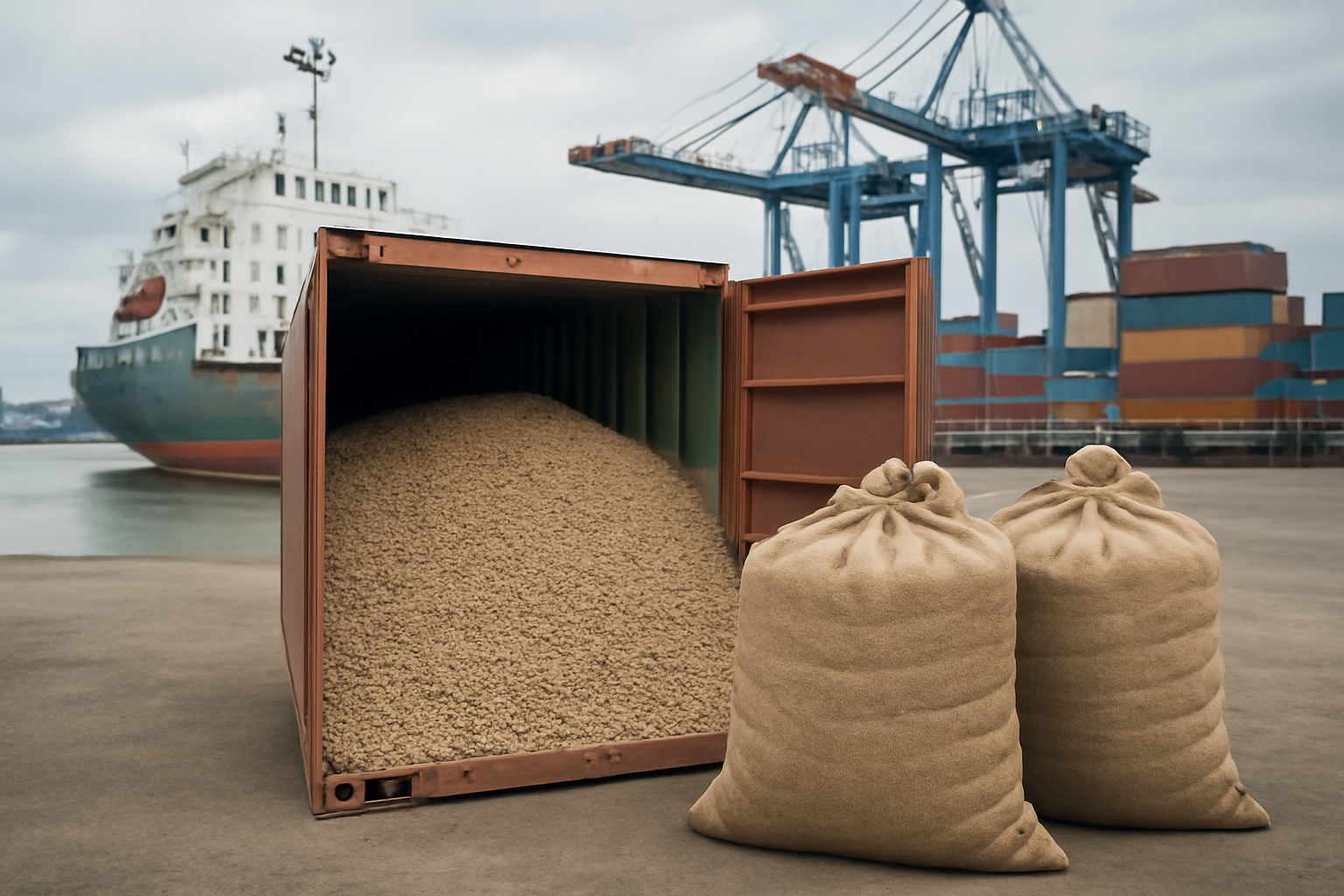
White pepper produced in Central Bangka, Indonesia, has begun reaching the Dutch market, according to Tribunnews Bangka. The development gives the producing region a direct opportunity to expand its commercial presence beyond the domestic market and connect local pepper businesses with buyers in the Netherlands.
The report does not disclose the volume or value of the shipments, the participating exporter, or the agreed sales terms. It nevertheless identifies the Netherlands as a new overseas destination for Central Bangka white pepper, a product closely associated with the economy of Bangka’s pepper-growing communities.
For producers and processors, access to another foreign market can broaden the available customer base. Its practical effect will depend on whether suppliers can maintain consistent quality, assemble exportable volumes and meet the documentation and product requirements applied by Dutch buyers.
Ten villages prepared for foreign-exchange program
Alongside the new market channel, 10 villages are being prepared to participate in the Foreign Exchange Village Program. Tribunnews Bangka said the initiative is intended to reinforce exports and support micro, small and medium-sized enterprises involved in the local economy.
The village-based approach links export development with businesses operating close to the production area. Pepper growers are central to the supply chain, but export readiness can also involve cleaning, grading, processing, packaging and commercial coordination. Organizing these activities at village level could help participating businesses prepare products for international customers.
The program’s stated foreign-exchange objective also puts attention on the share of export income retained in producing communities. A stable overseas sales channel could create opportunities for local enterprises beyond primary cultivation, particularly where preparation and processing are completed before the pepper leaves the region.
Execution will determine the commercial impact
The initial entry into the Netherlands establishes a market opening, but the available source material does not indicate whether the shipment represents a trial order or a recurring contract. No timetable has been provided for the 10 villages, and no production, investment or revenue targets have been announced.
Those missing details will be important for assessing the program’s scale. Traders and buyers will look for reliable delivery, uniform specifications and traceability, while producers will need a route to market that covers the costs of preparation and compliance. The ability of village enterprises to coordinate supply will influence whether the Dutch channel can develop into repeat business.
For Central Bangka, the immediate significance is the combination of a confirmed overseas destination and a wider local preparation program. If the 10 villages can translate export support into consistent commercial shipments, the initiative could strengthen pepper-related small businesses and increase the region’s foreign-exchange earnings without separating export growth from the communities supplying the product.