Cebu coconut sector pushes value-added products and wider market access
Coconut farmers and small businesses in Cebu are being encouraged to move beyond raw production into higher-value products, branding and wider markets. A four-day industry expo featuring 25 vetted exhibitors is combining sales opportunities with training, business matching and enterprise support.
Cebu targets more value from coconut production
Cebu’s coconut industry is seeking to generate more income from processing, product development and market access rather than relying mainly on raw production. Epifania Suralta, assistant regional director of the Department of Trade and Industry in Central Visayas, said stronger enterprises and wider sales channels are essential if coconut farmers are to become entrepreneurs capable of creating higher-value goods and building brands.
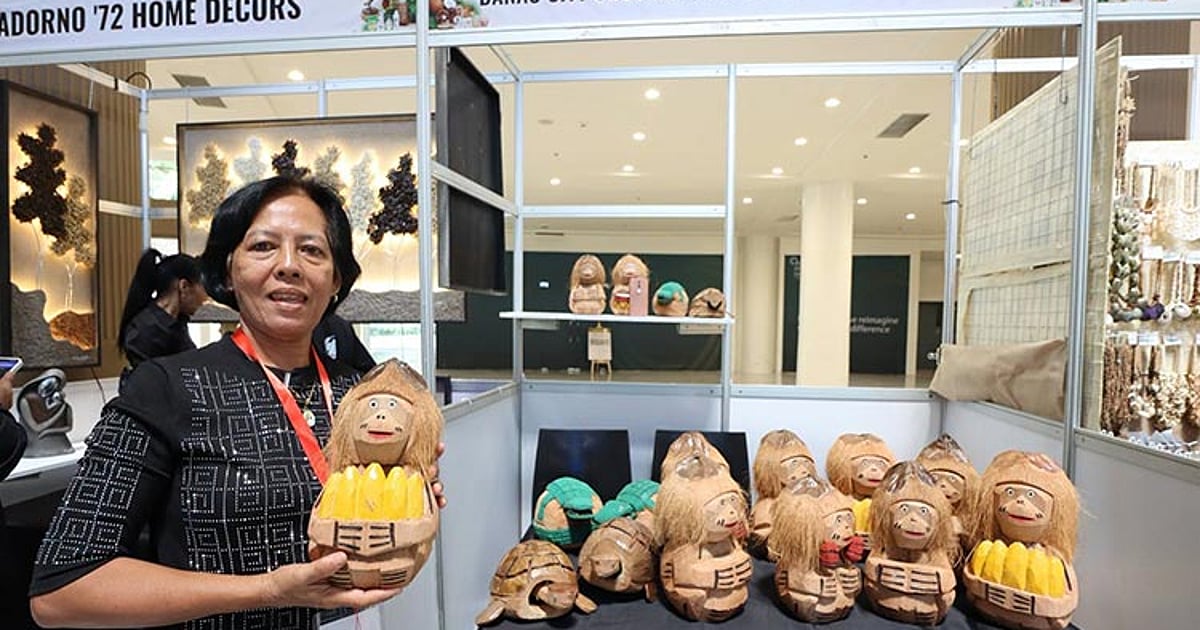
Speaking at the 2026 Coco Negosyo–Cebu Coconut Market Expo, held during the 40th National Coconut Week, Suralta said production represents only one part of the commercial equation. Enterprises also need viable markets, appropriate capabilities and connections with buyers. The four-day event at Ayala Center Cebu includes a Coco Bazaar with 25 exhibitors, providing farmers and micro, small and medium enterprises with a venue to present products, meet consumers and establish market links.
Government programs support enterprise development
SunStar reported that the exhibitors were vetted under the Coconut Farmers and Industry Development Plan, or CFIDP. Participating farmers are registered in the National Coconut Farmers Registry System. The CFIDP is intended to strengthen the industry and improve livelihoods in coconut-producing communities.
Under the plan, DTI concentrates on research, marketing and market promotion. Its support is designed to help businesses develop products and reach buyers rather than stop at the farm-gate stage. The department also works with coconut and other agricultural enterprises through Negosyo Centers, the One Town, One Product Philippines program, Shared Service Facilities, and entrepreneurship and mentoring initiatives.
These programs address practical obstacles to commercialization, including product quality, packaging, branding, standards, pricing, digital marketing and production capacity. The approach reflects DTI’s position that access to a sales opportunity is not sufficient unless an enterprise can meet buyer requirements consistently and price its products sustainably.
Expo connects training, products and buyers
The Cebu expo combines retail exposure with a techno forum and training on costing, marketing, online sales and cooperative business development. It also includes a Women Farmers Forum. Organizers are bringing production, capability building, innovation and market access into the same program, allowing participating businesses to test their products while strengthening commercial skills.
The products on display illustrate opportunities beyond basic coconut commodities. Potential applications cover food and beverages, personal care, household products, materials and other uses. Moving into these categories could allow farmers and processors to capture more of the value created after harvest, although businesses must still satisfy standards, establish reliable production and develop demand.
Cooperation remains central to expansion
Suralta said government agencies cannot develop the sector alone. She called for continued cooperation among the Philippine Coconut Authority, DTI, Agricultural Training Institute, Cooperative Development Authority, local governments, cooperatives, farmers, entrepreneurs, universities, private companies and consumers.
DTI-Central Visayas plans to continue using trade fairs, business matching and market-promotion platforms to improve the readiness of coconut enterprises. For Cebu’s producers and processors, the policy direction is clear: greater income will depend not only on coconut volumes, but also on product quality, processing capability, brand development and access to customers willing to buy higher-value goods.