CBAM charges hit Bosnia's electricity exports, central bank says
Exports of mineral-origin products from Bosnia and Herzegovina, mostly electricity, fell 2.7 percent in the first quarter of 2026, and the country's central bank attributes most of the decline to the start of CBAM charges. The IMF estimates that goods currently covered by the EU carbon border mechanism make up 10.7 percent of Bosnian exports, equal to about 3.2 percent of GDP.
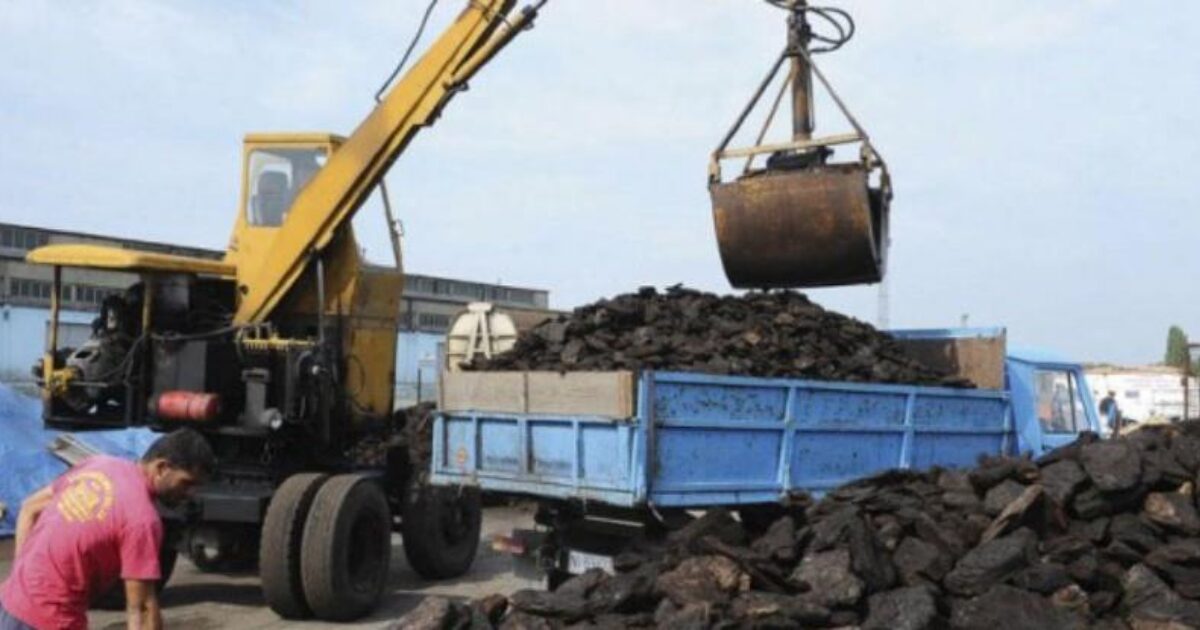
Exports of mineral-origin products from Bosnia and Herzegovina, a category dominated by electricity, fell 2.7 percent in the first quarter of 2026 compared with the same period a year earlier. The Central Bank of Bosnia and Herzegovina attributes most of the drop in export value to the start of CBAM charges on electricity exports, raport.ba reported.
The levy raises the export price of Bosnian power and leaves domestic producers less competitive on the European market. The effect is amplified by the structure of domestic generation, in which coal still plays a significant role.
Definitive phase covers six product groups
The Carbon Border Adjustment Mechanism is the European Union's instrument for equalising carbon emission costs between European producers and third-country producers selling into the EU market. It entered its definitive phase on 1 January of this year and currently covers six product groups: aluminium, cement, electricity, fertilisers, hydrogen, and iron and steel. Importers of these goods into the EU must bear the cost of the carbon embedded in what they bring in, and the price of a CBAM certificate is linked to the price of allowances in the EU Emissions Trading System.
IMF puts exposed exports at 10.7 percent
A new International Monetary Fund analysis puts the products currently covered by CBAM at about 10.7 percent of total Bosnian exports, a value equivalent to roughly 3.2 percent of GDP. Iron and steel and aluminium account for the largest share of exposed exports, with electricity and cement also captured.
The IMF expects the consequences to become considerably larger over the coming years if Bosnia and Herzegovina does not respond with its own emission-reduction policies. In a scenario without domestic measures:
- the negative CBAM effect could reduce real GDP by roughly 0.4 to 0.7 percent by 2035 compared with a scenario without this shock;
- cement is particularly exposed, since about 90 percent of Bosnian cement exports go to the EU market, according to IMF estimates based on historical trade data;
- iron and steel face significant pressure, while IMF projections also assume a significant reduction in electricity exports to the EU;
- if the EU extends CBAM to new products, the affected share of Bosnian exports could rise to 13.2 percent, and from 2030 to about 14.3 percent.
Cross-border power trade down 25 percent
The Energy Community Secretariat found that commercial cross-border electricity trade between Energy Community countries and EU member states fell 25 percent during the first quarter of 2026. Over the same period, electricity on Energy Community markets was on average about 30 euros per megawatt-hour cheaper than on neighbouring EU markets.
Under normal market conditions a spread of that size should encourage exports towards the more expensive European market. The Energy Community warns instead that CBAM and the accompanying regulatory requirements have changed trade flows. Documenting actual emissions is a further obstacle: in its second-quarter report the Secretariat warned that even producers of electricity from renewable sources face practical problems proving emission values, which creates additional administrative costs and regulatory uncertainty.
Domestic carbon pricing on the table
The IMF therefore recommends that Bosnia and Herzegovina establish a reliable system for measuring, reporting and verifying emissions in line with European standards as soon as possible. Over the longer term it points to industrial decarbonisation, greater investment in renewable sources and a domestic carbon pricing system aligned with European rules. A domestic carbon tax is one option as a transitional solution.
The economic difference is material. Without a domestic carbon pricing system, the CBAM cost arises when goods enter the EU market. With a system of its own, Bosnia and Herzegovina could retain part of the carbon revenue at home and use it to support businesses and households and to finance the energy transition. The first central bank data show the consequences are already being felt in electricity exports, while IMF projections warn that the cost of delaying decarbonisation will only rise in the years ahead.