Cattle shortage costs Spain’s Ternera Gallega more than 200 retail outlets
Ternera Gallega certified 89,719 carcasses in 2025, down from more than 100,000 in 2024, as supplies of finished cattle tightened. The protected label lost more than 200 sales outlets across Spain despite record farmgate prices and first-sale turnover of nearly €173 million.
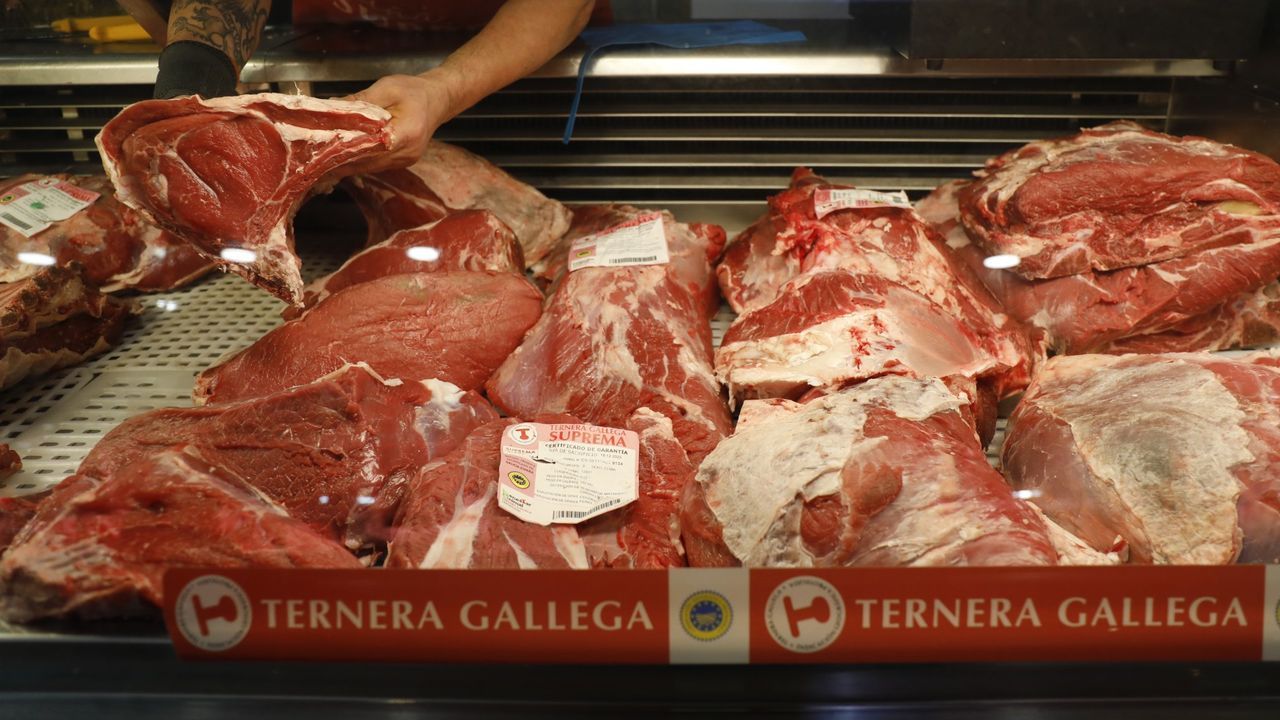
Certified beef volumes fall
Spain’s Ternera Gallega protected geographical indication lost more than 200 sales outlets nationwide in 2025 as a shortage of finished cattle reduced the volume of certified beef available to customers. The contraction weakened the label’s position in the national market and could have lasting consequences after cattle supply and prices return to more normal levels, according to La Voz de Galicia.
The number of carcasses certified under the label fell to 89,719 in 2025, compared with more than 100,000 in 2024. Ternera Gallega described the decline as considerable. It came despite the identification of 132,617 calves during the year, a slight increase from the previous period, showing that a larger registered calf population did not translate immediately into more branded beef.
Ternera Gallega attributed the shortage in Spain and elsewhere in Europe to several factors. Livestock populations have declined because of diseases including epizootic haemorrhagic disease and bluetongue. Calves have also left Galicia for finishing on farms elsewhere, while trade in live cattle and carcasses with North African markets diverted supply from established domestic channels.
High prices support farms but curb consumption
Restricted availability created an imbalance between supply and demand and left some of the label’s customary markets undersupplied. Farmgate prices rose rapidly to record levels, with farmers receiving more than €8 per kilogram of carcass weight. In the week cited by La Voz de Galicia, Ternera Gallega’s price table showed quotations ranging from €7.18 to €8.03 per kilogram, depending on the animal.
Those prices helped the protected-label sector generate nearly €173 million in first-sale turnover. However, higher cattle costs moved through the processing and retail chain, producing successive increases in butcher-shop prices. Ternera Gallega said weaker consumption and the loss of some regular markets were already becoming visible.
The number of active registered farms continued to decline, largely because of the advanced average age of owners and insufficient generational renewal. Registered holdings fell to 7,554 in 2025, from more than 8,000 three years earlier. The regulatory council said traditional farms were becoming somewhat larger, as the number of identified animals still increased slightly despite the decline in farm businesses.
National distribution may be difficult to rebuild
José Ramón González, livestock secretary at the Union of Small Farmers, told La Voz de Galicia that rising prices linked to exports to African countries prompted farmers to hold back sales and concentrate on supplying Galicia, while the national market was neglected. He warned that when animal availability improves, the Galician market could become saturated without the former national sales network to absorb supply.
Uncertainty over Morocco adds to that risk. The country stopped buying Spanish beef after the appearance of lumpy skin disease, and González said continued closure of that outlet could compound the pressure when cattle become more plentiful. La Voz de Galicia also reported that recent cattle quotations at Spain’s main livestock exchanges had begun to ease slightly, although views differ on whether this reflects Mercosur supply entering the European Union or Morocco’s market closure. Ternera Gallega nevertheless remains Spain’s leading quality-certified veal label, accounting for almost 60% of all beef sold nationally with a quality seal.