Castilla y León dairy farms close as milk prices fall and production costs rise
Castilla y León lost 17 dairy farmers over the past year as its average farmgate milk price fell to €0.475 per litre in June. UCCL says rising fuel, forage and feed costs are eroding margins and threatening more farm closures.
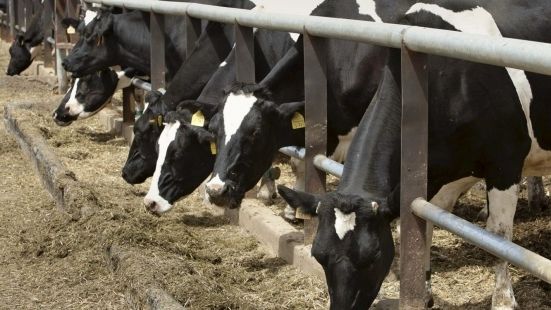
Farmgate price falls to €0.475 per litre
The dairy cattle sector in Castilla y León is facing renewed financial pressure as farmgate milk prices decline and production costs rise. El Español reported that farmers in the region received an average of €0.475 per litre of cow’s milk in June, down 1.3% from May and 6% from the same month a year earlier. Across the first half of 2026, the regional price fell by 15.3%.
The decline is part of a broader national trend. Spain’s average milk price stood at €0.469 per litre in June and had decreased in every month since December 2025, according to Agriculture, Fisheries and Food Ministry data cited by El Español. Castilla y León retained a small premium over the national average, but the continued monthly contraction has weakened revenue for farms already dealing with higher input bills.
Seventeen producers leave the sector
Castilla y León lost 17 dairy farmers during the past year. UCCL data also show that 17 producers ceased activity during the first six months of 2026, leaving 589 farmers delivering milk in June. The source presents both figures as evidence of continued contraction in the regional sector.
The same pattern is visible across Spain. A total of 8,513 dairy farmers delivered milk in June 2026, almost 6% fewer than one year earlier. The reduction extends a long-term decline in the number of operating dairy farms and raises concerns about the economic effects on rural areas, where livestock production supports suppliers, service companies and other local businesses.
Fuel, forage and cattle prices squeeze margins
Lower milk prices are coinciding with sharp increases in several operating costs. Diesel was around 40% more expensive than in January, while forage and straw prices had risen by as much as 35% in some areas. Feed prices were also trending higher. These increases limit farmers’ ability to absorb further reductions in the price paid for milk.
Income from animals has weakened as well. Prices for beef cattle and Friesian calves were around 15% below their levels at the beginning of the year, removing another source of revenue for dairy holdings. UCCL says producers have been losing profitability for six months and are again carrying higher costs that they cannot pass through the supply chain.
UCCL challenges distribution of dairy margins
UCCL argues that retail milk prices have remained practically stable while payments to farmers have declined. The agricultural organisation says this indicates an imbalance in the value chain and alleges that processors and retailers are improving their margins while producers lose money. David Alonso, UCCL’s head of dairy cattle, said industry and distribution were preventing the proper operation of milk price formation.
The organisation is calling for measures that guarantee farm profitability and prevent further closures. Without an improvement in farmgate returns or relief from input costs, remaining producers face continued pressure. For processors and retailers, a sustained reduction in the regional supplier base could mean greater concentration of milk collection and a weaker livestock economy across rural Castilla y León.