Canadian honey industry seeks stronger action against suspect imports
Canada’s honey industry is calling for a crackdown on allegedly fraudulent imports. Country Guide and The Western Producer report that about 20 per cent of Canadian honey imports come from India and Thailand, two origins associated with honey authenticity concerns.
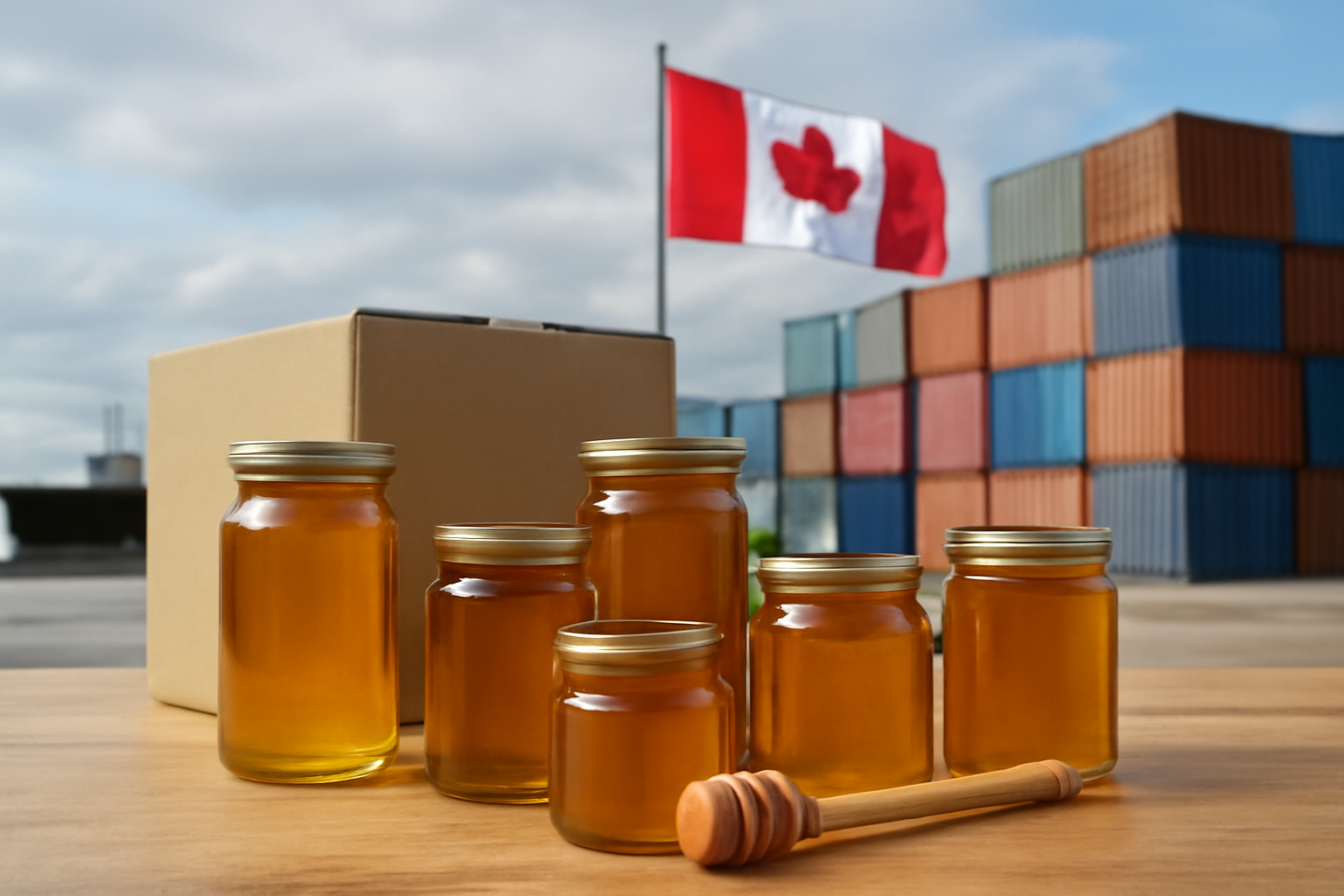
Industry calls for tighter enforcement
Canada’s honey industry is seeking a crackdown on imports suspected of being fraudulent, placing product authenticity and import oversight at the centre of a dispute with direct consequences for domestic producers and honey importers. The demand focuses particularly on supplies arriving from India and Thailand.
Country Guide and The Western Producer report that about 20 per cent of Canadian honey imports come from these two countries. Both publications describe India and Thailand as countries notorious for producing fraudulent honey. The available reports do not identify individual exporters, importers or shipments accused of wrongdoing, and they do not provide results from specific product tests.
Authenticity becomes a market issue
For Canadian beekeepers, the concern is not simply the volume of imported honey. The central question is whether imported and domestically produced goods are competing under comparable product standards. If honey sold as authentic does not meet those standards, legitimate producers can face competition from goods whose composition or origin may not match their commercial description.
The issue also matters to importers, processors and retailers. Stronger enforcement could require businesses purchasing honey from higher-risk origins to pay closer attention to supplier documentation and product verification. However, the source material does not specify which testing methods, border measures or regulatory changes the Canadian industry is requesting. It also provides no figures for the total value or volume of Canada’s honey imports.
India and Thailand under scrutiny
The concentration of about one-fifth of imports in India and Thailand makes those trade flows the immediate focus of the industry’s demand. That figure is substantial enough to make any change in scrutiny relevant to Canadian buyers and overseas suppliers, but it does not establish that all honey from either country is fraudulent. Any enforcement action would need to distinguish suspect consignments from compliant products and avoid treating origin alone as proof of adulteration or mislabelling.
For suppliers able to demonstrate authenticity, closer controls could make traceability and reliable documentation more important in maintaining access to Canadian customers. For Canadian producers, effective enforcement could reduce the risk that allegedly fraudulent goods distort competition. The next material question is whether Canadian authorities respond with additional testing, documentation requirements or other controls. No government decision, implementation date or proposed enforcement standard is identified in the available source material.