Canada-US trade talks revive dispute over dairy tariffs and market access
Donald Trump says Canada will lower agricultural tariffs for US farmers, while Ottawa maintains that its dairy protections will remain. Any concession involving dairy ingredients could affect Canadian processors and increase the use of US milk products in foods such as yogurt.
Conflicting messages on agricultural tariffs
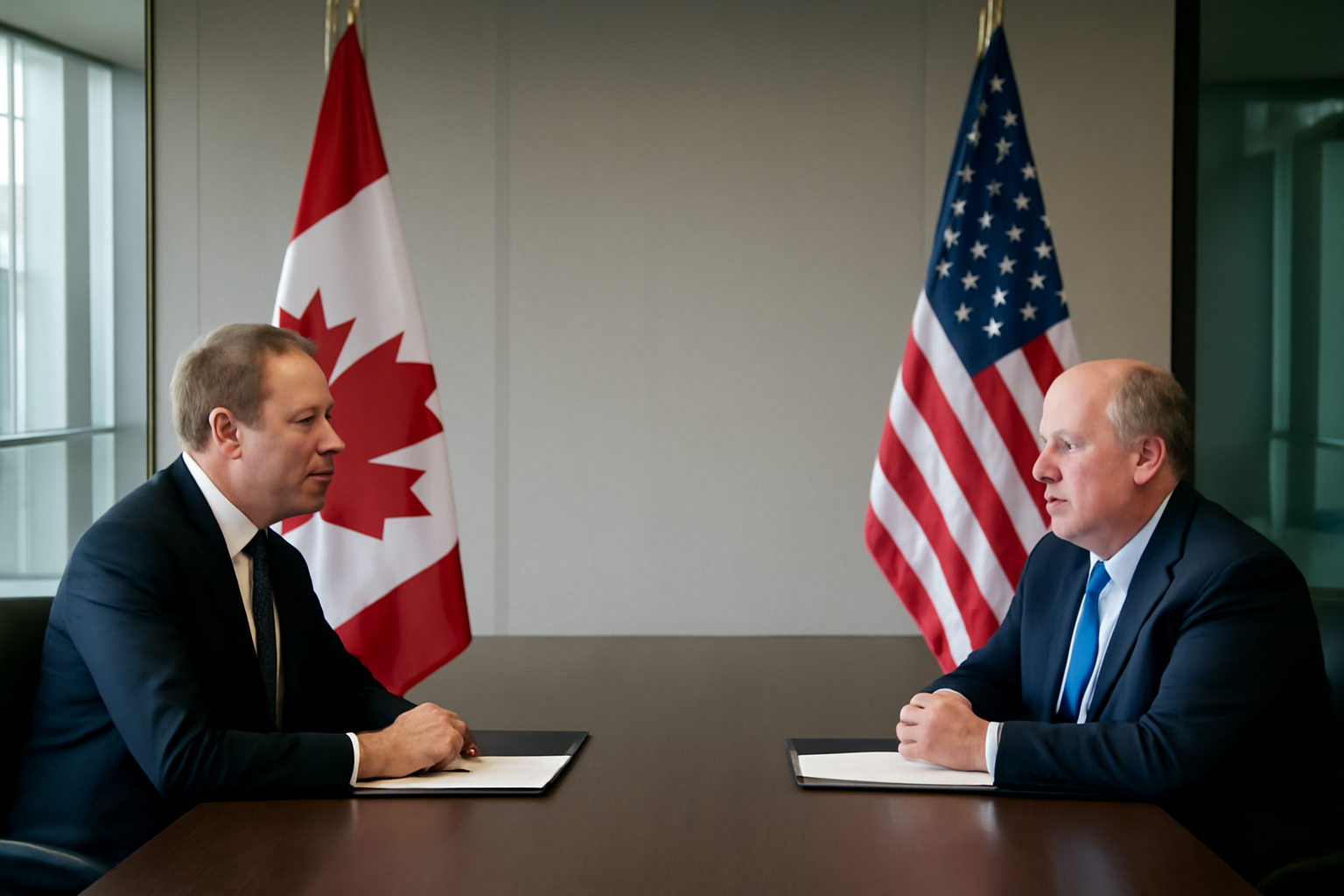
Canada-US trade discussions have brought dairy market access back to the center of the bilateral agenda. Donald Trump says Canada will bring down agricultural tariffs for American farmers, but Ottawa says the protections surrounding its dairy sector are not going away. The difference between those positions leaves producers and processors without a clear picture of what, if anything, Canada may offer.
The dispute matters because a concession can be narrower than the dismantling of Canada’s dairy framework. Negotiators could discuss access for particular products or ingredients without eliminating the broader protections applied to Canadian milk production. Until the parties publish agreed terms, Trump’s statement should be treated as a negotiating claim rather than confirmation of a policy change.
Ottawa’s response also leaves room for negotiation. A commitment to preserve dairy protections does not necessarily rule out adjustments affecting selected agricultural tariffs or import access. The central question is therefore not simply whether Canada keeps its system, but whether US suppliers receive a larger commercial opening inside it.
Dairy ingredients emerge as a potential pressure point
Le Journal de Montréal reports that a possible Canadian concession in dairy could reach consumers through processed foods. Canadian yogurt, for example, may contain imported US dairy ingredients even when the finished product is manufactured in Canada. That makes ingredient access commercially significant beyond direct sales of fluid milk.
For Canadian processors, access to additional US ingredients could expand sourcing options. It could also intensify competition between imported inputs and milk supplied by Canadian producers. The effect would depend on which products were covered, the conditions attached to their entry and whether processors found them economically attractive.
US dairy companies would gain most directly from any opening focused on ingredients. Such a measure could create sales opportunities without requiring Canada to abandon the main architecture of its protected dairy market. For Canadian farmers, however, even a limited concession could raise concern if imported ingredients replace part of the domestic milk used by processors.
The consumer impact would be less visible. A yogurt or other processed dairy product could remain Canadian-made while incorporating an imported milk component. The negotiations therefore concern not only products sold across the border in finished form, but also the origin of inputs used inside Canada’s food-manufacturing chain.
Terms will determine the market impact
No detailed concession has been confirmed in the material available. There is no published list of affected dairy products, no stated implementation timetable and no quantified expansion of market access. Those missing elements prevent producers, traders and investors from calculating the likely change in supply or competition.
The distinction between lower tariffs and wider market access will be critical. A tariff reduction has limited value if other access conditions continue to restrict commercial shipments. Conversely, a narrowly designed opening for ingredients could influence processor purchasing even while the wider protection system remains intact.
Market participants will therefore be watching for written terms rather than political statements. The decisive details will be the products covered, the access mechanism and the treatment of imported ingredients in Canadian processing. Until those details emerge, the dispute remains a contest between Washington’s claim of an impending agricultural opening and Ottawa’s assurance that dairy protections will survive.