Cameroon cuts food import bill by 11 billion FCFA as cereal purchases fall
Cameroon’s food import bill fell by about 17% year on year to 54 billion FCFA in the first quarter of 2026. Lower rice and maize purchases drove the decline, but the national statistics institute warned that supply and producer risks remain.
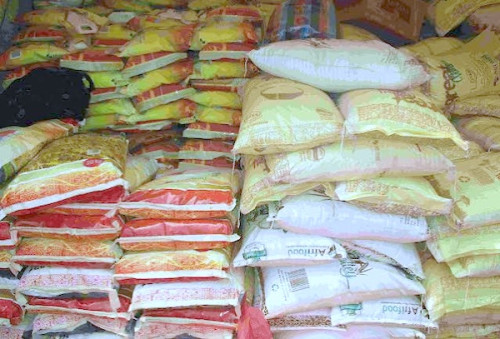
Food import spending falls by about 17%
Cameroon reduced the value of its food imports by 11 billion FCFA in the first quarter of 2026 compared with the same period a year earlier, according to data from the National Institute of Statistics, or INS, published on August 7, 2026. The bill declined from 65 billion FCFA to 54 billion FCFA, a contraction of about 17%.
Investir au Cameroun reported that lower purchases of rice and maize from foreign suppliers accounted for much of the decline. The result reduces the immediate cost of external food supplies, but the INS cautioned that it does not stem solely from a lasting expansion in domestic output.
Rice policy and maize imports drive the decline
The INS identified rice as the main contributor. It linked the reduction in rice imports to an expansion of cultivated areas since 2024 and higher customs duties. Levies were raised by 5% for ordinary rice and by 20% for categories presented as luxury rice, making imported products relatively more expensive while supporting demand for domestic production.
The fall was even steeper for maize. The value of maize imports dropped from 3.9 billion FCFA in the first quarter of 2025 to about 600 million FCFA in the corresponding period of 2026. That represents a contraction of nearly 85%, leaving more of Cameroon’s cereal demand to be met by domestic supply and existing stocks.
Higher maritime transport costs also reduced the attractiveness of some imports, according to the INS. This means part of the 11 billion FCFA saving reflects market conditions that may change rather than a permanent reduction in the country’s need for foreign food supplies.
Nigerian flows reshape the domestic market
Cameroon’s domestic availability of rice and maize also increased as informal exports to neighboring Nigeria slowed. The INS associated this change with Nigerian restrictions on certain imports originating outside the Economic Community of West African States, the depreciation of the naira and support for Nigeria’s agricultural production. Together, these factors kept more cereals inside Cameroon and lowered immediate import requirements.
The same development creates competing risks. More local supply and fewer outlets in Nigeria can put downward pressure on prices received by Cameroonian farmers. The INS warned that small producers may struggle to sell at profitable prices and within their usual time frames, limiting their ability to buy food products other than cereals.
Conversely, a strong recovery in informal exports to Nigeria would remove part of the supply currently available to Cameroonian buyers. If that coincided with a significant decline in local production, reduced imports could leave less protection against shortages and price increases during subsequent quarters.
Storage and processing determine durability
The lower import bill is therefore not an automatic measure of improved food security or farm income. Its economic value will depend on whether Cameroon can maintain higher production while preserving adequate supplies for consumers and commercially viable prices for growers.
Investir au Cameroun noted that turning the reduction into a durable gain would require stronger storage and processing capacity, as well as reliable outlets for domestic crops. These facilities could absorb seasonal surpluses, reduce pressure on farmgate prices and provide a buffer if cross-border flows or harvest volumes change. Without them, the first-quarter decline may remain vulnerable to transport costs, Nigerian demand and fluctuations in local cereal output.