Cameroon bans raw log exports for 91 tree species
Cameroon has prohibited the export of unprocessed logs from 91 tree species under a decree signed on 28 April 2026 by Forests Minister Jules Doret Ndongo. The move deepens the country's push toward local wood processing and forces international buyers toward sawn or semi-finished timber.
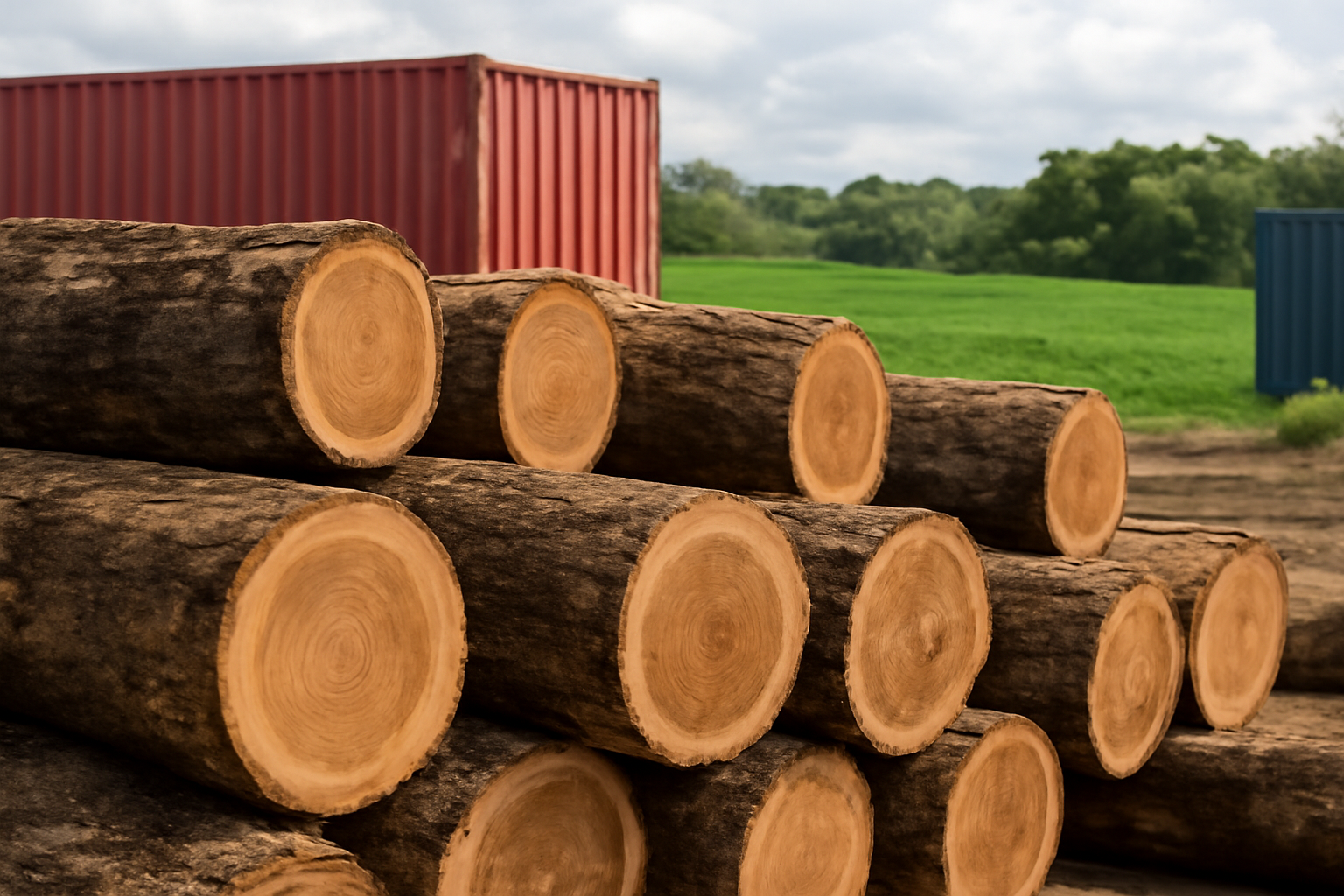
Cameroon bars raw log exports for 91 tree species
Cameroon has prohibited the export of unprocessed logs from 91 tree species, tightening a long-running policy meant to keep more timber processing inside the country. The ban was set out in a decree signed on 28 April 2026 by Jules Doret Ndongo, the Minister of Forests and Wildlife, according to a report cited by bing.com. The step marks, according to the report, a new stage in Cameroon's strategy of local wood transformation.
What the decree covers
The decree names 91 tree species whose logs may no longer leave the country in raw form. The report cited by bing.com frames the step as the government tightening its grip on raw timber, closing a channel through which whole logs had previously been shipped abroad. The measure applies to unprocessed logs.
Beyond the number of species, the signing date and the responsible minister, the available reporting is limited; a full list of the affected species and transition arrangements for existing contracts are not detailed.
A push toward local processing
The ban fits a wider policy direction in which producing countries push exporters to add value at home rather than shipping raw material. Requiring logs to be sawn, dried or otherwise processed before export is intended to keep a larger share of the production margin, and the jobs that come with it, inside the domestic economy.
Cameroon is one of Central Africa's significant sources of tropical hardwood, and restrictions on log exports reshape where processing capacity is built.
Impact on global timber buyers
For international buyers, the immediate consequence is that raw logs from the 91 listed species can no longer be sourced directly from Cameroon. Importers in Europe and Asia that relied on whole-log supply will need to shift to sawn or semi-finished products, or find alternative origins.
Such bans typically tighten the available supply of raw tropical logs on world markets and can support prices for the wood that continues to trade. Traders holding open log contracts are the most exposed and will need to confirm which shipments remain permissible under the decree. The report cited by bing.com does not detail penalties, enforcement timelines or exemptions.